
Last updated November 21, 2026
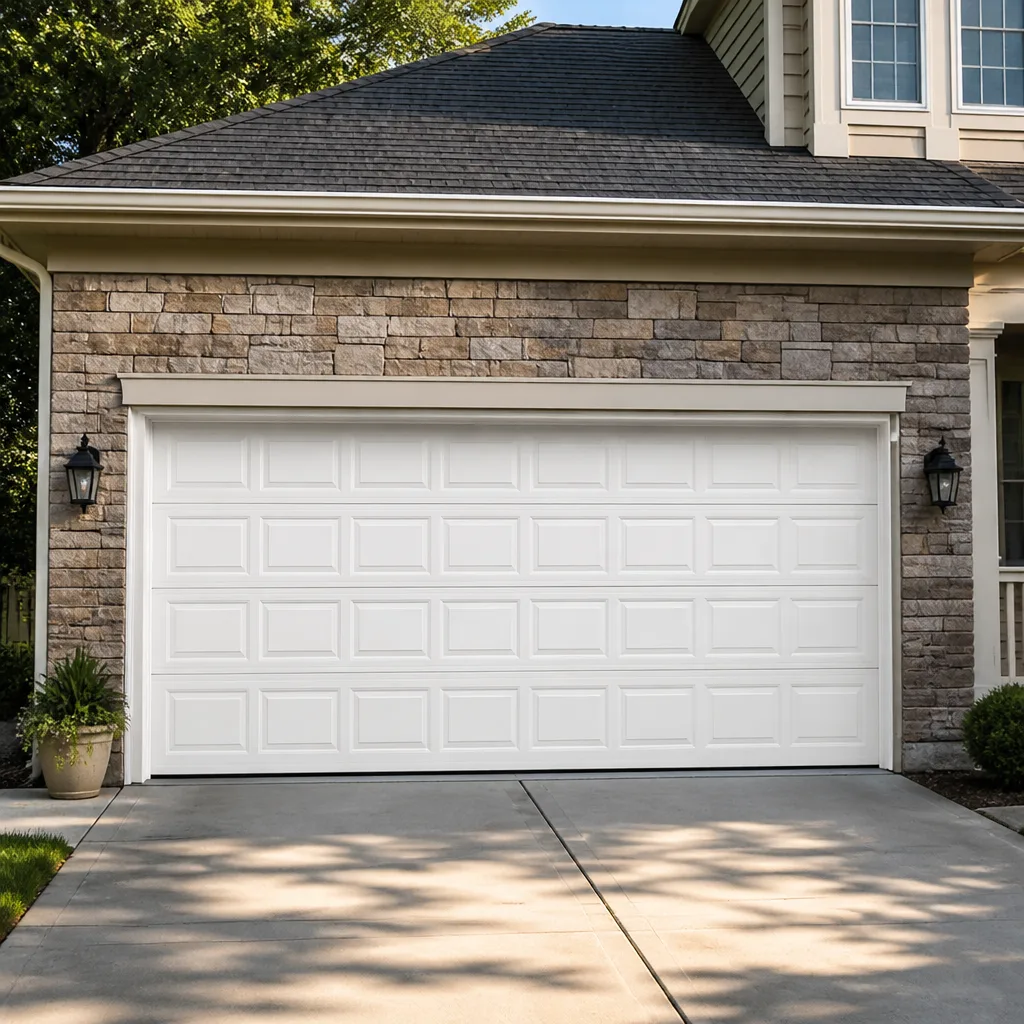 Raised-panel steel
 Carriage house
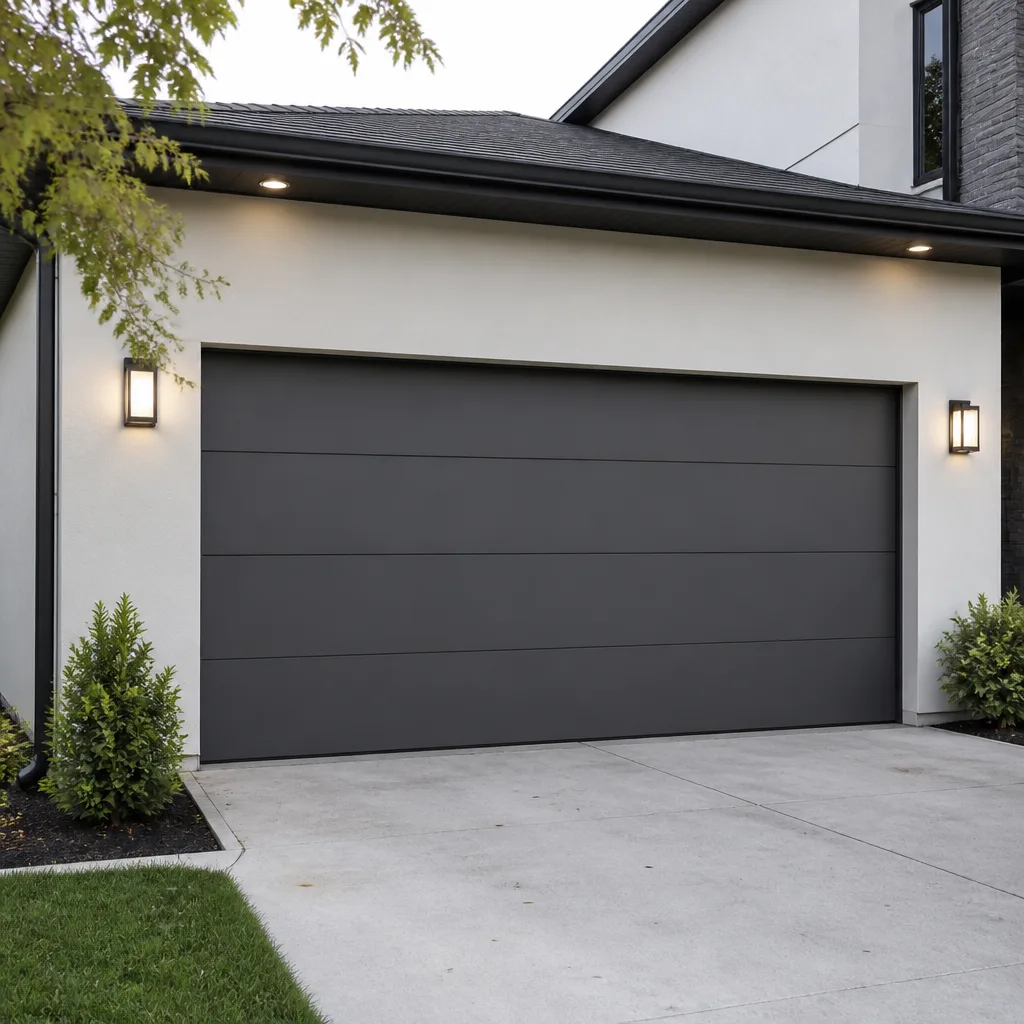 Modern flush
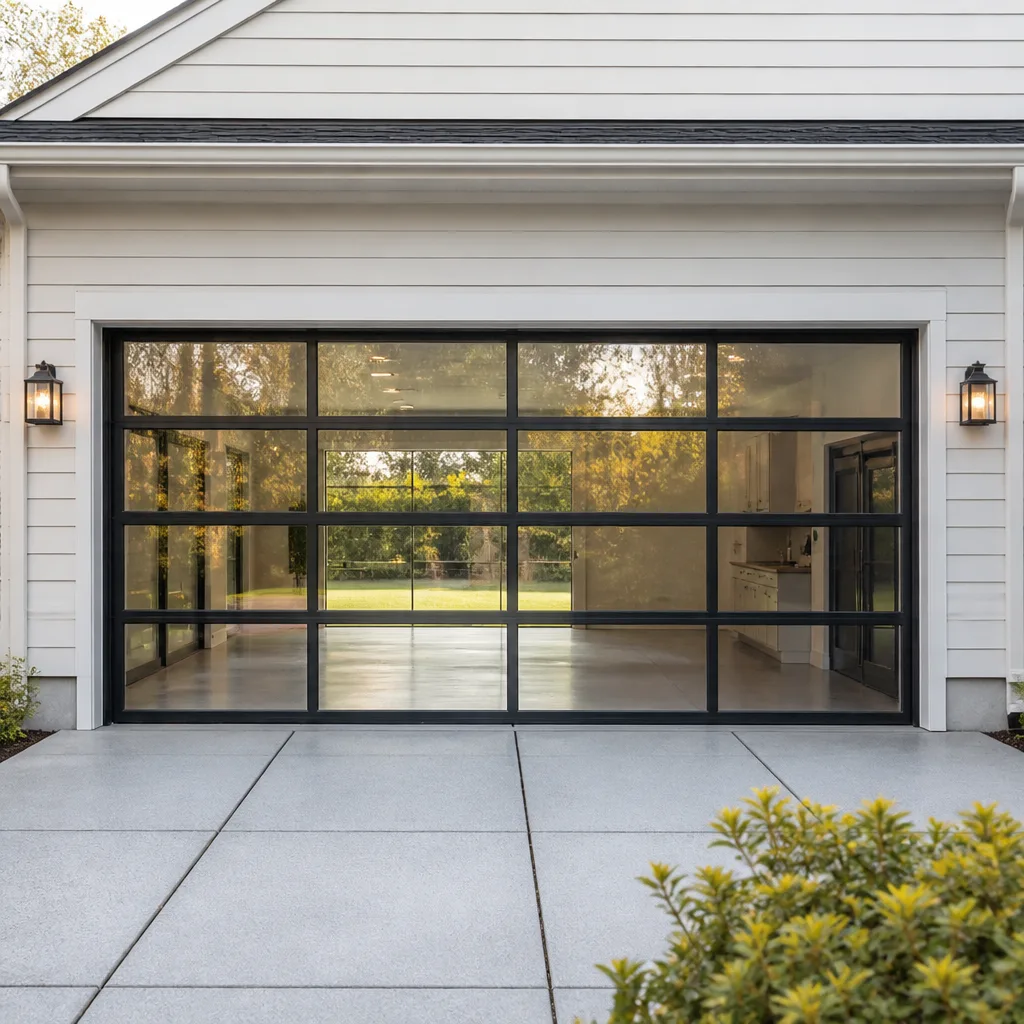 Full-view glass
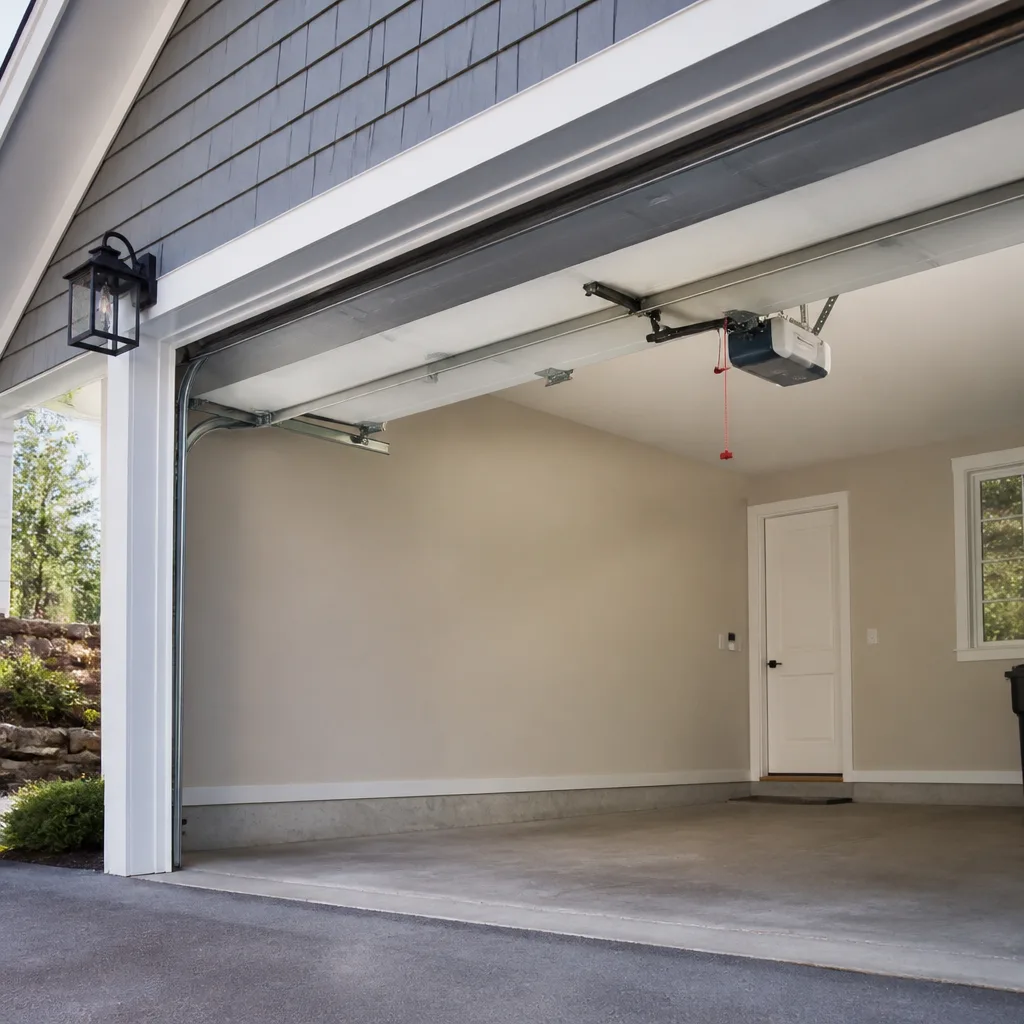 LiftMaster openers
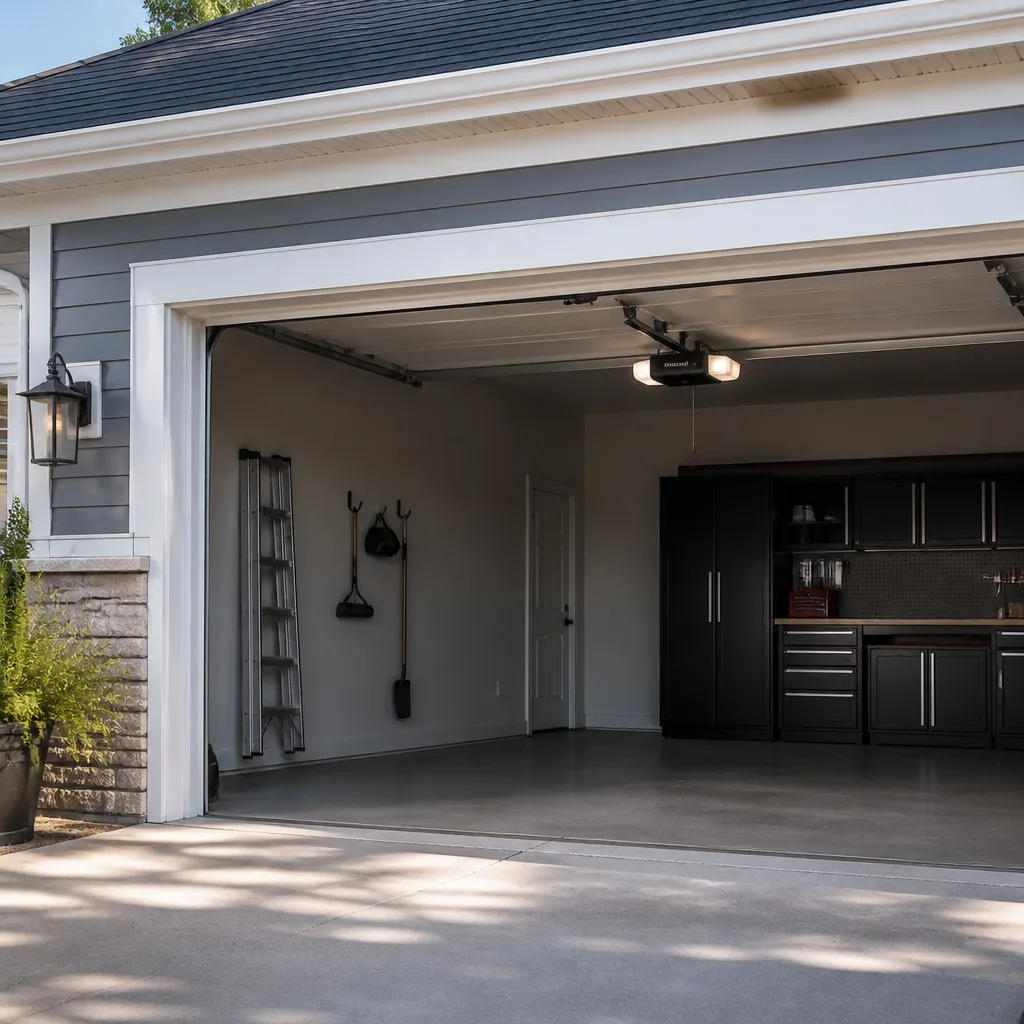 Chamberlain openers
Full 25-point door and opener safety check with every visit - springs, cables, rollers, tracks, and your LiftMaster or Chamberlain opener included
You get a price before we start. It does not change when the pro arrives.
Get your free estimateSeasonal Garage Door Care for Mandarin: Year-Round Homeowner’s Guide
Most seasonal garage door guides are written for places with a real winter, and they spend pages on frozen hinges and ice buildup. Mandarin doesn’t have that problem. What Mandarin has is a June-through-September stretch where high-cycle openers run hot, bottom seals swell and tear, and humidity works on steel hardware every single day. The two-week shoulder seasons in spring and fall, when the weather is mild and the air is briefly dry, are the best maintenance windows of the year, and almost nobody uses them. This guide walks you through a full year of garage door care in Mandarin, season by season, with the specific checks that matter here.
Quick Answer
Garage door care in Mandarin should follow a four-season schedule: service hardware in late February before the heat ramps up, prep for storm season in May, watch seals, springs and opener heat through the summer, and inspect tracks and panels after heavy fall rain. The two shoulder seasons, roughly late February and late October, are the best times for spring, roller and opener service because mild, dry weather lets you spot problems that summer humidity hides.
Styles & brands we work with
- Raised-panel steel
- Carriage house
- Modern flush
- Full-view glass
- LiftMaster openers
- Chamberlain openers
Table of Contents
- Why Mandarin’s Seasons Are Different
- Spring Prep: Late February Timing
- Pre-Storm Season Checklist
- Summer Heat and Your Door
- Fall Post-Storm Inspection
- Year-Round Humidity Management
- A Simple Monthly Routine
- Common Mistakes to Avoid
- When to Call a Professional
Why Mandarin’s Seasons Are Different
In northern states, the seasonal garage door guide is really a winter guide. It’s about freeze-thaw, snow load, and the grit that gets tracked onto tracks from a salted driveway. Mandarin doesn’t give you any of that. What Mandarin gives you is months of warm, humid air, a summer storm season, and a mild winter that never shuts your door down for weeks at a time. That changes the failure pattern.
The parts that fail first in Mandarin aren’t the ones that fail first up north. A torsion spring doesn’t snap because it got cold and brittle. It snaps after thousands of cycles run through metal that’s been expanding and contracting in steady heat, with humidity slowly going after the surface. A bottom seal doesn’t crack from ice. It swells, softens and tears from months of damp. An opener doesn’t seize from frost. It shuts itself off mid-cycle when the motor hits its thermal cutoff on a hot afternoon.
Those are different problems, and they want a different calendar. The right schedule here isn’t “winterize” and then forget about it. It’s a short window in late winter to set things right, a storm-season prep in May, active watching through the summer, and a post-storm inspection in the fall. The mild weeks at either end of summer are the ones that do the most good. If you use them, the rest of the year gets a lot quieter.
We work on garage doors across Mandarin every day, and the doors we see in the worst shape are rarely the oldest ones. They’re the ones nobody looked at between June and September. A five-minute check in late February would have caught most of what we find in August.
Spring Prep: Why Late February Is the Right Window
The best time to service garage door hardware in Mandarin is late February, in the two-week stretch before the heat really sets in. You want mild temperatures because that’s when you can work comfortably and read the door’s condition clearly. Heat masks wear. A spring that’s been running in 90-degree air sounds and feels different than one at 70 degrees, and a seal that’s already starting to swell won’t show it until the humidity gets serious.
Late February gives you a baseline. You check the door while it’s behaving, catch what’s starting to go, and fix it before the hard months. If you wait until June to look, you’re troubleshooting under the worst conditions of the year.
Here’s what a proper late-winter service on a Mandarin door involves:
- Cycle count and spring inspection. A technician checks the torsion spring’s condition, counts cycles against what the spring is rated for, and measures balance. A spring near the end of its rated cycles is worth planning for, not waiting on until it breaks.
- Roller and hinge check. Rollers wear unevenly in humidity. Sealed bearings hold up better, and any roller that’s flat-spotted or grinding should go.
- Track alignment. Tracks shift as the house settles through wet and dry spells. A slight bow that’s invisible in February can bind the door in July.
- Weather seal condition. The bottom seal and the perimeter seals are the first line against humidity getting into the garage. A swollen or cracked seal should be replaced before summer.
- Opener lube and force adjustment. The opener’s chain or belt gets a proper lubricant (never grease on the rail), and the force settings are checked so the opener isn’t straining against a door that’s slightly out of balance.
If the door isn’t running right, or the opener’s giving you trouble, this is also the time to schedule a garage door repair call so the fix lands before the heat, not during it. And if the door itself is nearing the end of its life, late winter is the natural time to plan a garage door installation, while the weather lets you measure, order and schedule without pressure.
Pre-Storm Season Checklist: Get Ready Before June
Storm season in Mandarin runs through the warmer months, and the checklist that matters most is about keeping the door in place and keeping the opener working when the power isn’t. Most of these checks take minutes, but they’re the ones people skip until after the first big storm.
- Secure the hardware. Brackets, hinges and the center bearing plate should be tight and free of corrosion. A loose bracket doesn’t fail in calm weather; it fails when the door’s getting pushed around.
- Test the manual disconnect. Every garage door has a release that lets you operate the door by hand when the opener has no power. Pull it, make sure the door moves freely by hand, and re-engage it. If it’s stiff or the door won’t budge, that’s a problem to fix before you need it.
- Inspect strut reinforcement. If your door has a strut across the top section, check that it’s attached and straight. A strut that’s come loose isn’t doing its job, and that matters most on wide or heavy doors.
- Check the door’s balance. Disconnect the opener and lift the door halfway. It should stay there. If it drops or runs away, the springs need attention.
- Clear the tracks. Debris and grit in the tracks can jam a door at the worst moment. A quick wipe-down is cheap insurance.
If your opener’s a LiftMaster or a Chamberlain with a battery backup, this is also the month to confirm the battery is good. A backup that died quietly over the winter isn’t a backup. If you’re not sure how yours behaves, an opener check is worth the call. Our garage door opener repair service covers brand-specific diagnostics on all the major units, and the same goes for older Craftsman and Genie openers that are common on Mandarin homes.
Summer Heat and Your Door: What Actually Happens from June to September
Summer is when a Mandarin garage door earns its keep and takes its beating at the same time. Two things happen. The metal in your torsion spring gets worked hard by heat and constant cycling. The opener’s motor runs hotter and hits its thermal cutoff more often. Neither is a defect. Both are the natural result of months of warm air and daily use.
Heat and torsion springs. Torsion spring metal fatigues with cycles, and the cycles all add up. Heat accelerates the process because the steel expands through the day and contracts at night, over and over. A spring that’s near the end of its rated life in a mild climate can fail weeks sooner in a hot one. There’s no way to stop fatigue, but there is a way to make it predictable: check the spring’s condition before summer starts, and plan for the replacement instead of being surprised by it. A spring failure is the one garage door problem that’s genuinely dangerous, and it’s never a do-it-yourself job.
Heat and your opener. Modern openers have a thermal cutoff that shuts the motor off when it gets too hot. On a 95-degree afternoon with a hot motor and a door that’s slightly out of balance, that cutoff trips. The door stops halfway, the opener clicks and hums, and nothing moves for a while. This is a symptom, not a disease. The real question is why the motor is straining. Usually it’s a door that’s out of balance, dry hinges, or a roller that’s binding. The thermal cutoff is protecting the opener, not failing you.
Seals swell. The bottom seal is the part most affected by humidity in Mandarin. Rubber and vinyl seals swell and soften in warm, damp air. A swollen seal drags on the floor, the door gets harder to close, and the opener pushes harder to get it down. Left alone, the seal tears. A bottom seal replacement is quick and inexpensive, and doing it in May or June prevents the drag that wears out the opener the rest of the summer.
Doors with wood or composite panels also take a beating in the summer. Amarr and Clopay doors are common in Mandarin, and both make panel systems that hold up well, but no panel likes standing water in its joints. If you notice bubbling or discoloration on the bottom edge of a panel, that’s moisture working its way in, and it’s worth looking at before it spreads.
Fall Post-Storm Inspection: What to Check After Heavy Rain
Mandarin’s fall rains are the first real break in the heat, and they’re also the best time to see what summer did to your door. A heavy rain event will show you problems you couldn’t see in dry weather. Here’s what to look at.
- Tracks. Look for rust starting at the seams and any spot where debris has collected. Water finds its way into low spots in the track, and a rusty track wears rollers fast.
- Bottom seal. Check the full length of the seal for tears, gaps and any spot where it’s pulled away from the door’s bottom edge. A seal that’s letting water under the door is letting humidity in, and that accelerates the wear on everything else.
- Panels. Look at the bottom of each panel for soft spots, bubbling paint or discoloration. Anywhere water has settled and stayed is a spot to watch.
- Hardware. Hinges and brackets should be checked for rust. A rusted hinge doesn’t just look bad; it seizes, and a seized hinge loads the whole door.
- The opener’s chain or belt. Fall is a good time to confirm the opener’s drive train is still in good shape after a summer of use, and that the safety sensors still see each other.
If summer drove your door hard, the fall inspection is the moment to decide whether you’re doing a rolling repair or a partial rebuild. Panels, springs, rollers and seals can all be replaced independently, which keeps the cost down. If the door’s structure is sound, there’s rarely a reason to replace the whole thing just because it’s been through a rough summer.
Year-Round Humidity Management: What Actually Makes a Difference
Humidity in a Mandarin garage affects door hardware more than most homeowners realize. The garage is the one part of your house that’s constantly opening to outside air, and hardware that lives in a garage is exposed to that air far more than hardware anywhere else. You can’t control the weather, but you can limit what the humidity gets to work on.
The first thing to think about is ventilation. A garage with no air movement holds moisture in the air and against the door’s surfaces. Even a small amount of airflow, like a working garage vent or a gap that keeps air moving, changes what the metal sees. Catches that trap water and prevent the door’s inside surface from drying need attention. Doors on a slab that stays damp, or a door that’s near a downspout that dumps water against the outside wall, are exposed more than ones that aren’t.
The second thing is drainage and water management. Water that pools against the bottom of the door stays there. Make sure the driveway pitches away from the door, that the bottom seal actually seals, and that any downspouts near the door direct water away rather than toward it. This is a landscape and drainage question, not a garage door question, but it’s what determines how much humidity the door’s seals and hardware see.
The third thing is lubrication and material choice. Steel hardware on a door that gets wet and dries, wet and dries, needs a proper lubricant that resists washing off. Sealed-bearing rollers and nylon or plastic hinges outlast steel and zinc options in humid air. On doors we see in Mandarin, a small upgrade at the roller and hinge level pays for itself because the parts stop seizing in the humidity. That’s not a sales pitch; it’s just what holds up here.
If your door has cosmetic or functional issues tied to humidity, a Mandarin Garage Door Repair inspection will show you what’s seasonal and what needs to be repaired. It’s not always possible to know from the outside which is which.
A Simple Monthly Routine: The Two-Minute Door Check
You don’t need to spend an hour a month on your door. You need two minutes, and you need to do it the same way every time so you’ll notice when something’s off. This is a check, not a repair. If you find something wrong, that’s the point of the check.
- Listen to the door. Run it up and down once. A door in good shape is quiet and steady. A rattle, a squeal, a grinding sound or a door that hesitates are all signals.
- Watch the door travel. It should move evenly from bottom to top and back with no shimmy and no pause. Any spot where it slows or jerks is a track or balance issue.
- Check the safety sensors. Push your hand or a box through the beam while the door closes. The door should reverse. If it doesn’t, stop and call someone before using the door again.
- Look at the bottom seal. Run your hand along the inside of the seal, or look at it with a flashlight. Look for tears, gaps, and any spot where it’s not making contact with the floor when the door’s closed.
- Walk to the sides and look at the tracks. Tracks should be straight, dry, and free of debris. Anything bent is worth a call.
- Check the spring, if you can see it safely. Look at the torsion bar or extension springs, never reach for them. A spring with visible gaps, rust streaks or sagging is a spring to have checked by someone qualified, and any spring work is a job to leave to a professional.
- Test the manual release. A quick pull-and-re-engage confirms the release works. Do this with the door closed and the door disconnected, and only if you’re comfortable; if not, have the technician test it during a service visit.
A monthly check catches problems while they’re still small. It doesn’t replace a seasonal service, but it lets you get ahead of the ones that would otherwise show up in July or after a storm.
Common Mistakes to Avoid
- Treating Mandarin like a cold-climate garage door market. Most of what you’ll read online about winterizing a door doesn’t apply here. Skip the freeze-focused advice and put your attention on humidity, seals and spring cycles instead.
- Waiting until the door breaks to service it. In Mandarin, the parts that fail are the ones you didn’t look at in February. Winter service is the whole point of the seasonal plan.
- Greasing the opener’s rail. Most openers take a small amount of a low-viscosity lubricant on the chain or belt, not grease. Grease collects grit and dust and speeds up wear in a garage that opens and closes every day.
- Ignoring the bottom seal. A swollen or torn seal doesn’t just look bad. It drags, it lets water in, and it makes the opener work harder all summer. It’s a small part with an outsized effect.
- Assuming an opener that trips its thermal cutoff is broken. The cutoff is a safety feature. If it’s tripping, the door is usually out of balance, the hinges are dry, or a roller is binding. The opener is telling you the door needs attention, not itself.
- Skipping the post-storm inspection. The heavy rain that finally breaks summer is exactly when you should look at seals, tracks and panels. What you find in October is easier to fix than what you’ll find in next summer’s heat.
- Trying to touch the springs. Torsion springs and extension springs carry high tension and are the most dangerous part of the door. A generalist handyman will often decline this work for a reason. It’s a job for someone trained on it.
When to Call a Professional
Most of the routine maintenance in this guide is things you can do yourself. Anything involving the springs, the cables or the door’s balance is not. A snapped spring, a door that won’t stay balanced, a door that’s dropped on one side, or a door that comes off its track is a call-it-in problem. So is an opener that’s been tripping its thermal cutoff repeatedly, and any door that stopped moving after a storm or a power event. If the door is stuck open, secure the house first and then call. The same goes for a door that’s moved wrong, closed on something and won’t reopen, or a safety sensor that no longer reverses the door.
Mandarin Garage Door Repair offers free estimates in Mandarin, and our technicians have up to 11 years of experience on exactly this kind of work. Call (833) 508-9952. We answer 24/7. Fast dispatch from 7am to 7pm, Sunday through Friday. The price is set per job by the written estimate before any work starts, so there’s no surprise when the work is done.
When a service visit is right, it’s usually not just one problem. A technician looking at your door will often find a roller issue, a seal that’s failing and a spring that’s approaching its cycle limit all at once. Our garage door repair service covers the whole door, and our garage door opener repair service covers the units that run it, whichever brand you have. When the door has reached the end of its service life, a new garage door installation is the cleanest way to end the cycle of seasonal repairs.
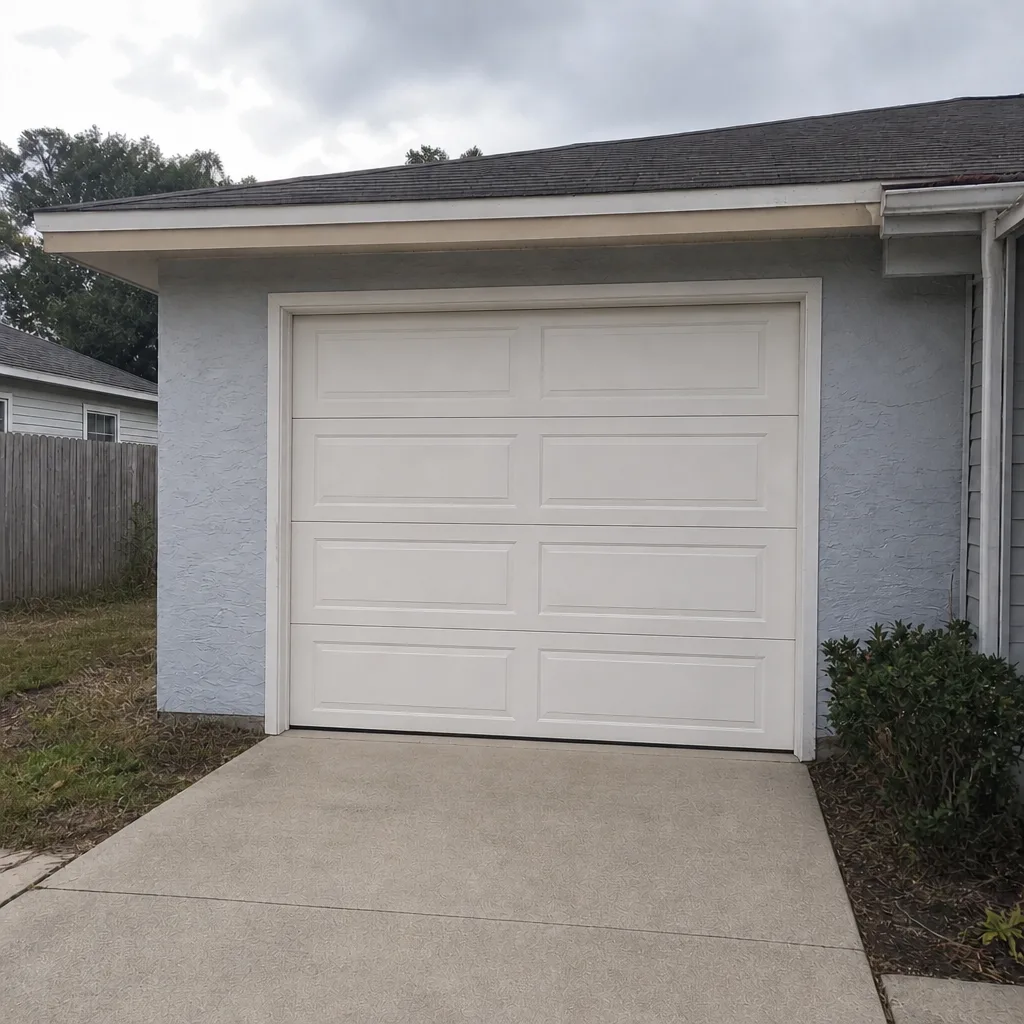
See the difference
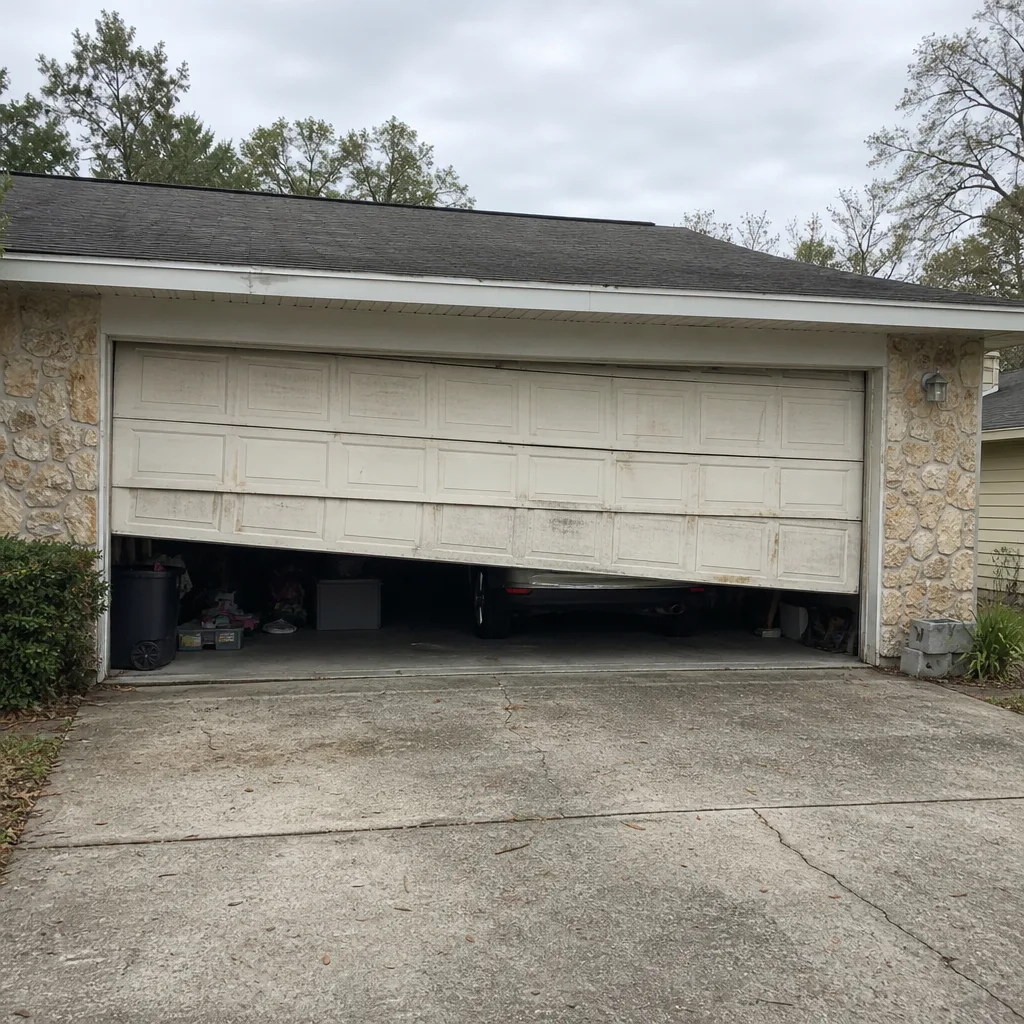 Before
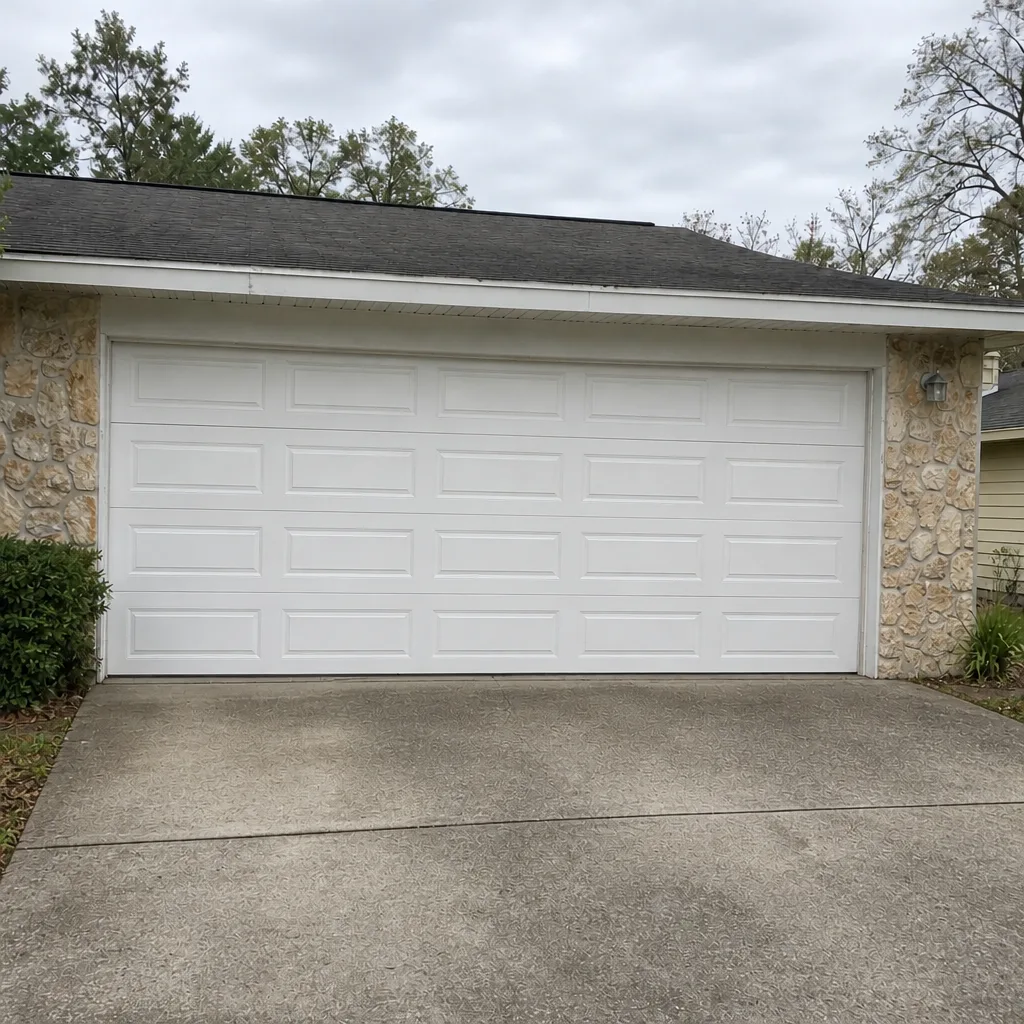 After
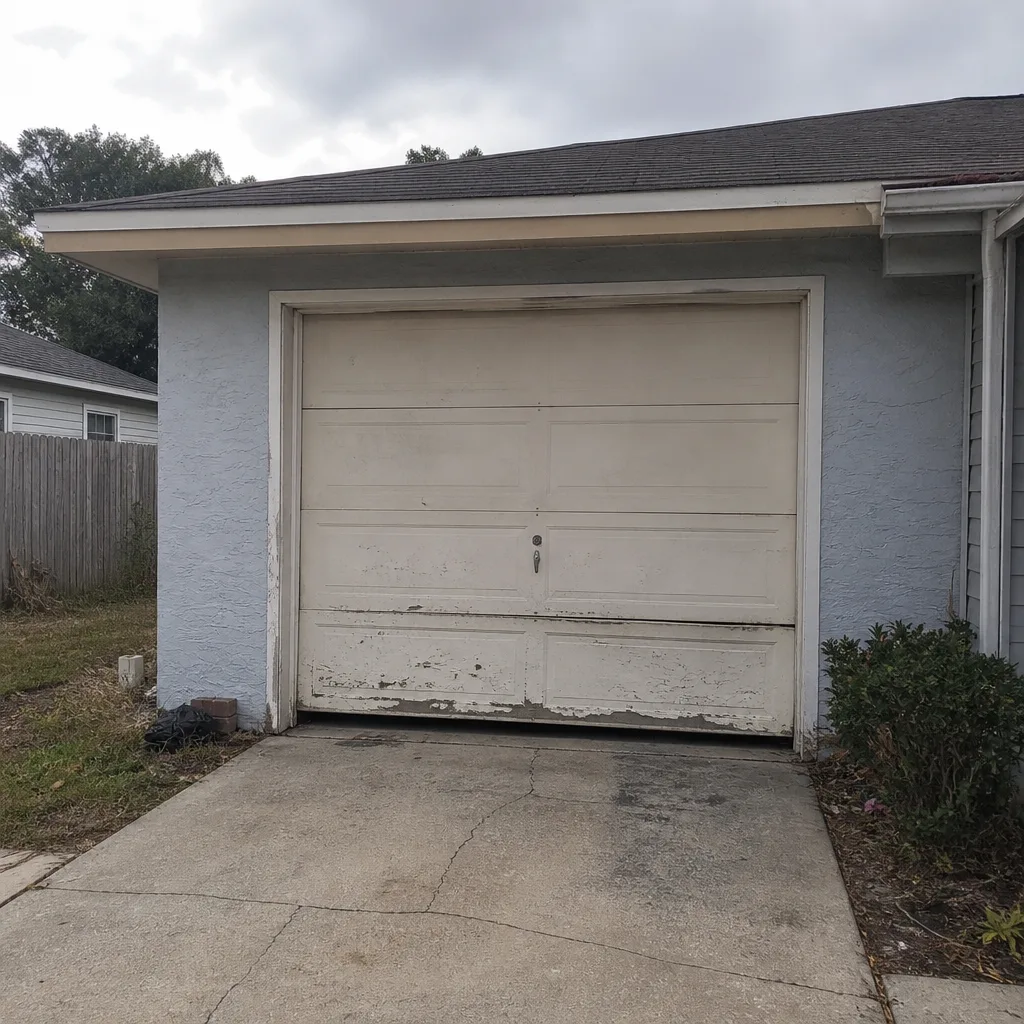 Before
 After
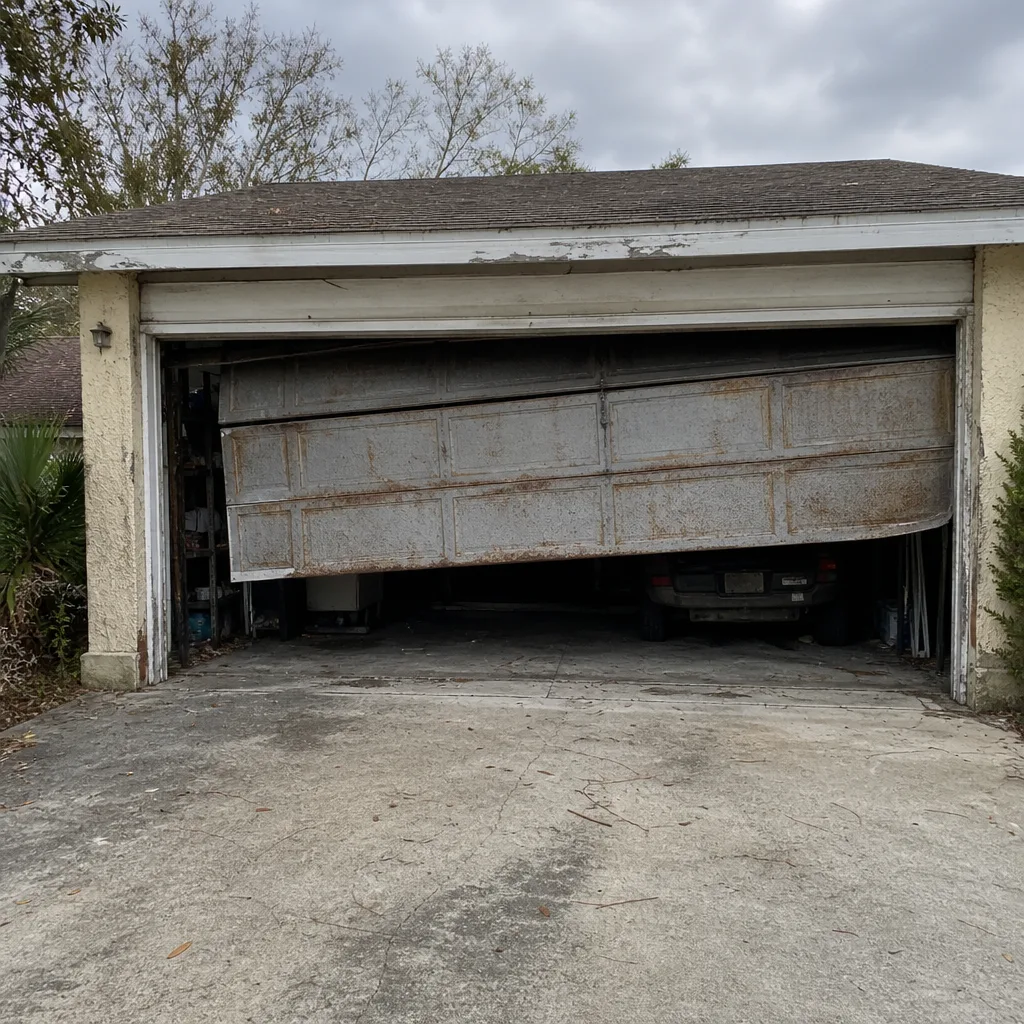 Before
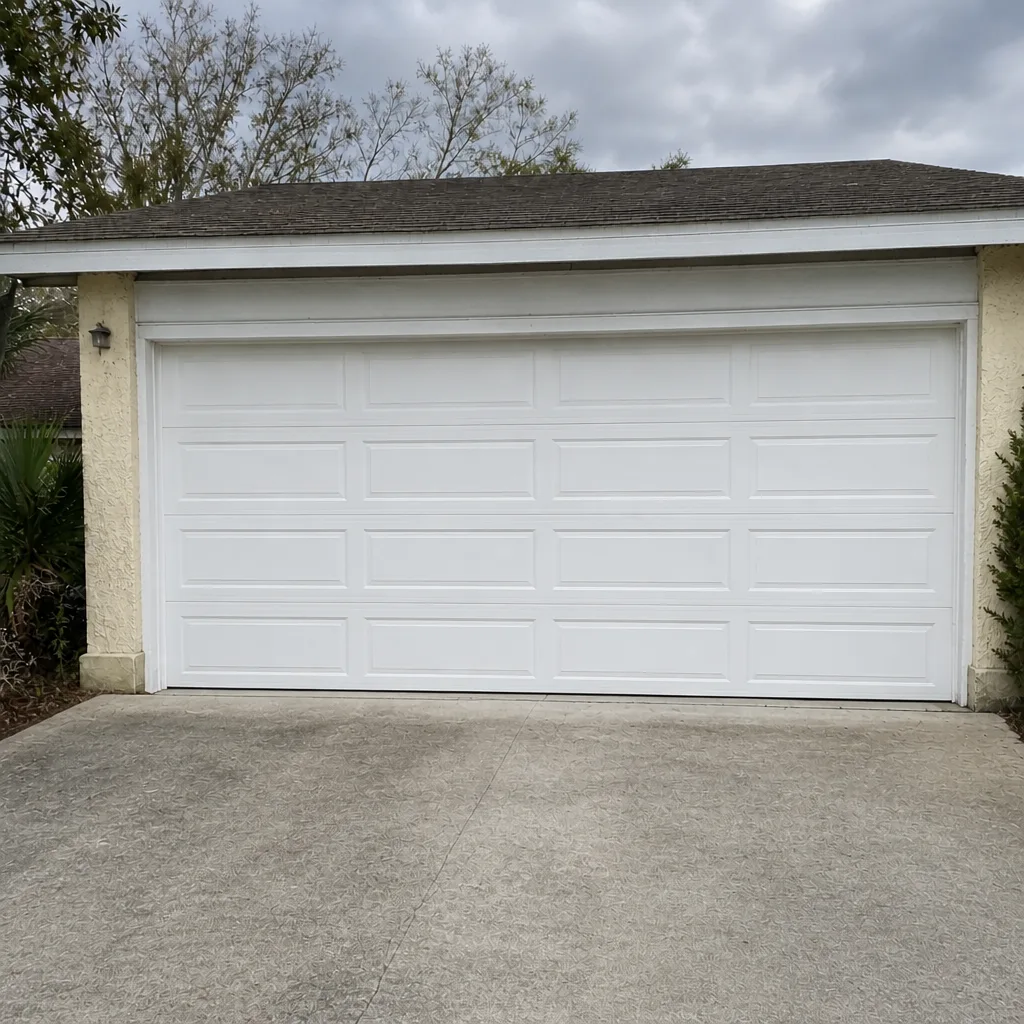 After
Frequently Asked Questions
Once a year, ideally in late February before the heat ramps up. Florida’s seasonal garage door maintenance pattern is driven by humidity and summer use, so a single well-timed service in late winter plus a post-storm check in the fall is the schedule that covers the year. Doors on high-use garages or homes with a lot of daily cycles benefit from a check in the fall too.
Torsion spring fatigue is the most common problem we see, and it’s driven by the combination of heat and daily cycles. The second most common is a swollen or torn bottom seal that drags and strains the opener. Both start as small issues in spring and turn into repairs by midsummer if they aren’t looked at. Call (833) 508-9952 for a free estimate if you’re seeing either.
Wind and rain can damage panels and push water past a worn bottom seal, and power events can leave an opener behaving oddly. The bigger issue over the long term is that storm season is also the period of peak heat and humidity, so the seasonal wear on springs, seals and openers all happens at once. A pre-storm check in May and a post-storm inspection in fall let you catch problems on your terms.
Your opener’s thermal cutoff is doing its job. It shuts the motor down when it gets too hot, and the motor runs hotter when the door is out of balance or the hinges and rollers are dry. The fix usually isn’t the opener itself; it’s a door that needs adjustment or lubrication. An opener check will confirm which it is. Call (833) 508-9952 to get on the schedule.
No. Torsion and extension springs carry high tension and are the most dangerous part of the door to work on. A generalist handyman will often decline the work for that reason. Spring repair is a trained-technician job, and it’s the reason we treat spring work as a specialist service rather than a general repair. Reach out and we’ll get it handled safely.
Yes, in the sense that a damp garage holds moisture against the door’s hardware all year. The outside humidity load is what changes seasonally, but how well the garage ventilates and drains determines how much of that moisture stays against the door. Getting drainage right and keeping the bottom seal working are the two easiest ways to limit the exposure.
The local professional we connect you with is licensed and insured as their state requires, and we’re happy to confirm the details for your service. Our technicians work on garage doors all day, and the work is done under a written estimate that sets the price before anything starts. Call (833) 508-9952 and we’ll walk you through it.
The Bottom Line
Your Mandarin garage door doesn’t need winterizing. It needs a summer plan. The late-February window is the best time of year to service it, because the mild, dry air lets you see what the door is actually doing. Storm-season prep in May, a watchful summer on springs, seals and the opener’s thermal cutoff, and a post-storm inspection in the fall cover the full year. The recurring theme across all four seasons is humidity, not cold. Look at the door in the shoulder seasons, replace seals before summer, check the balance every month, and the calendar stops being something the door fights against.
Call Mandarin Garage Door Repair at (833) 508-9952 for a free estimate. We answer 24/7. Fast dispatch from 7am to 7pm, Sunday through Friday. We work on every major brand, our technicians have up to 11 years of experience, and the written estimate sets the price before we start.
Written by the team at Mandarin Garage Door Repair.