
Last updated November 21, 2026
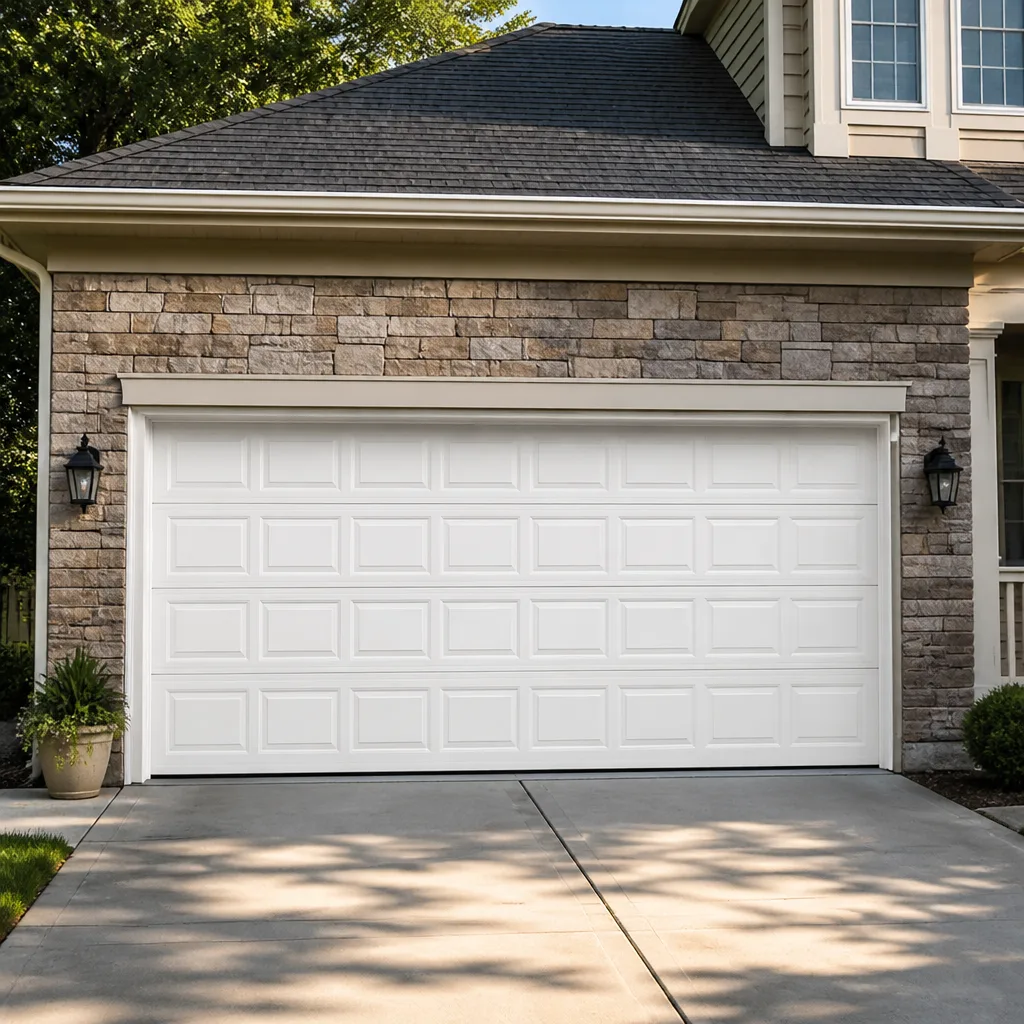 Raised-panel steel
 Carriage house
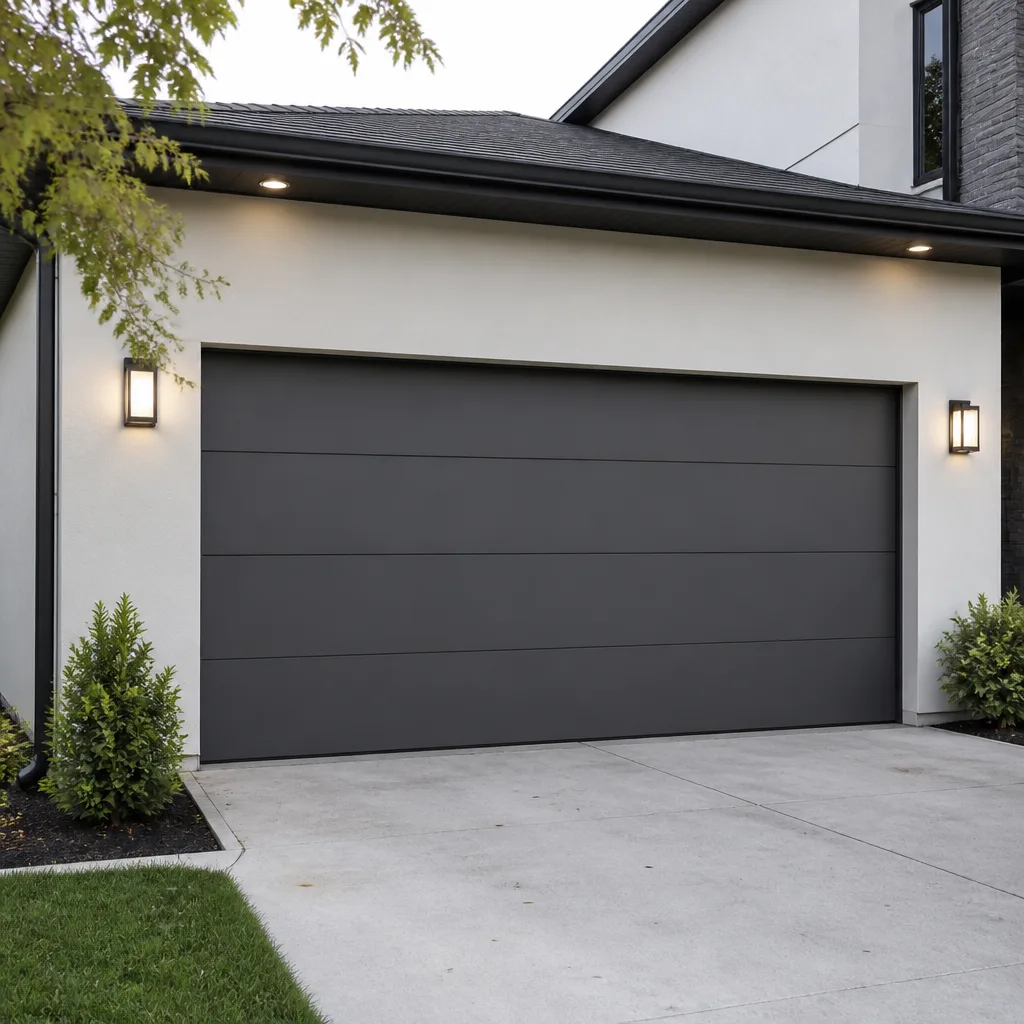 Modern flush
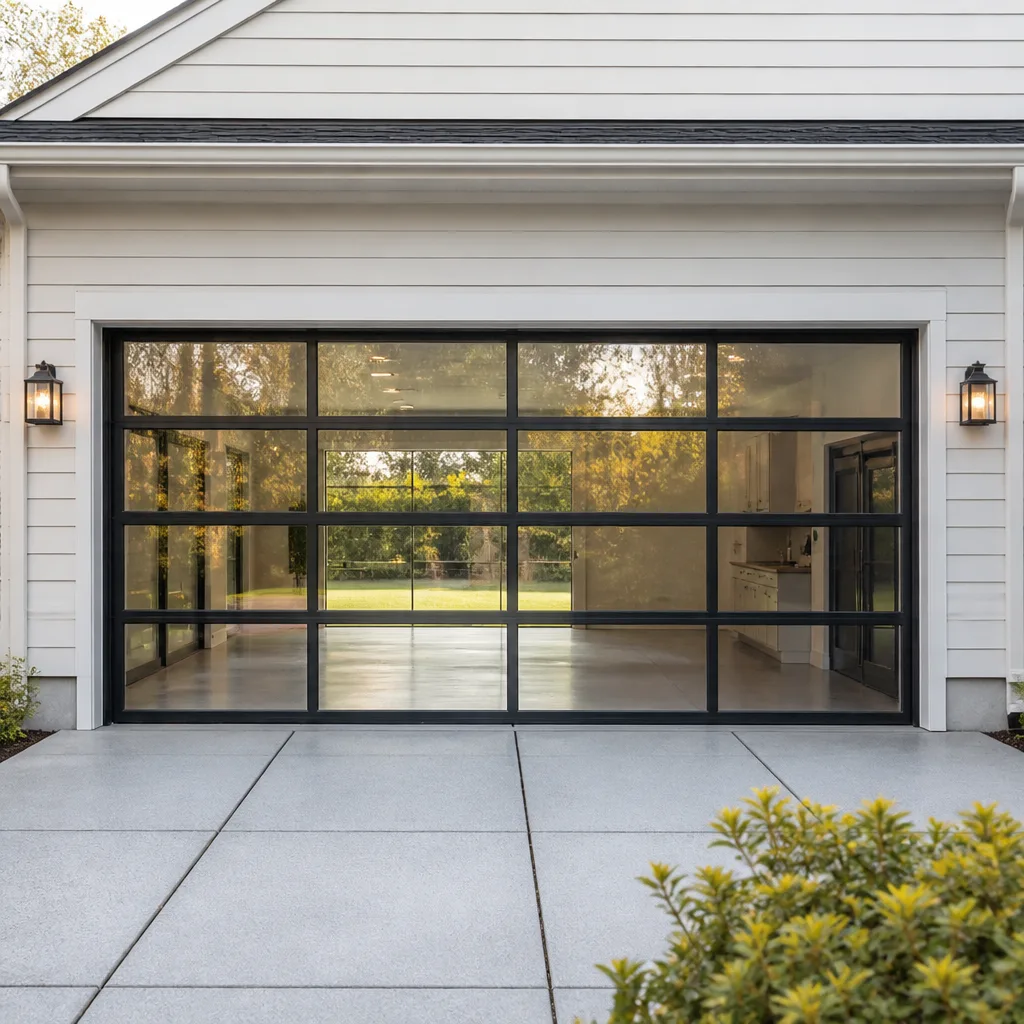 Full-view glass
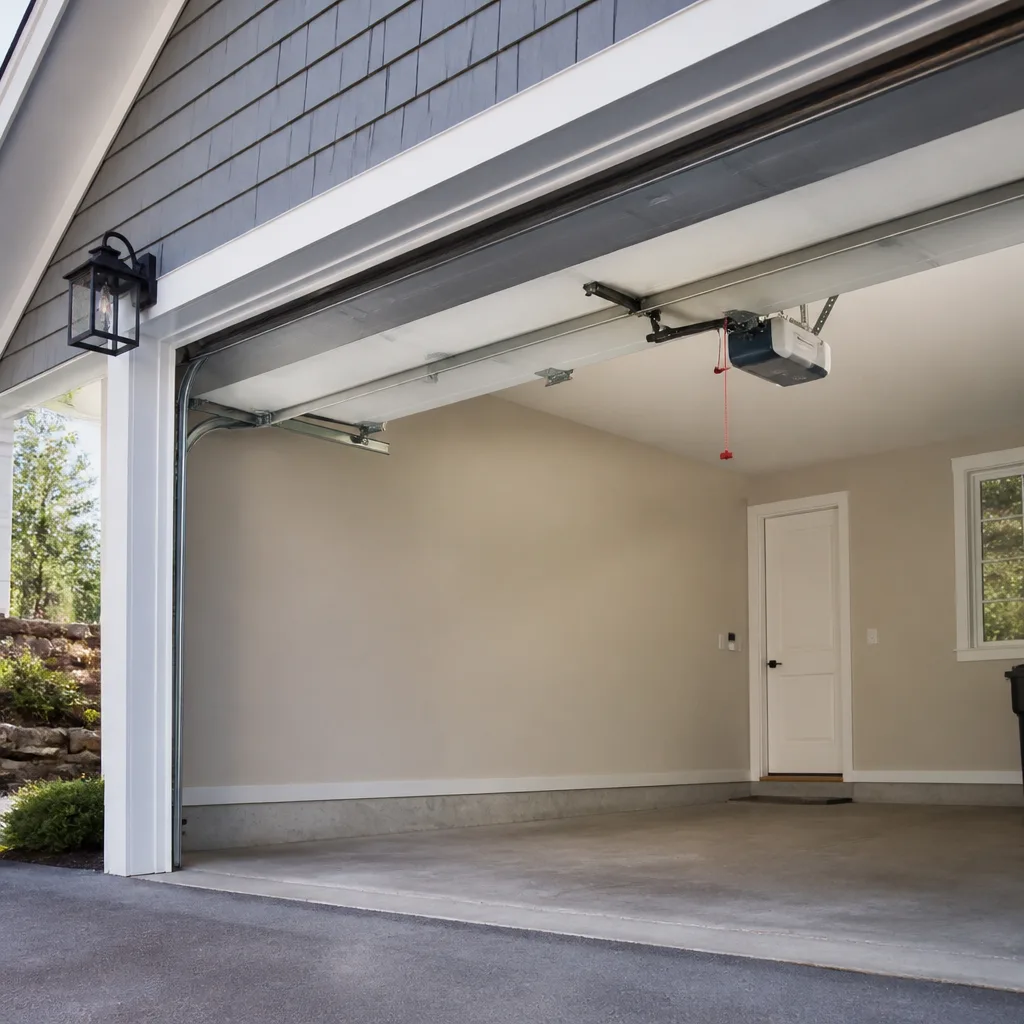 LiftMaster openers
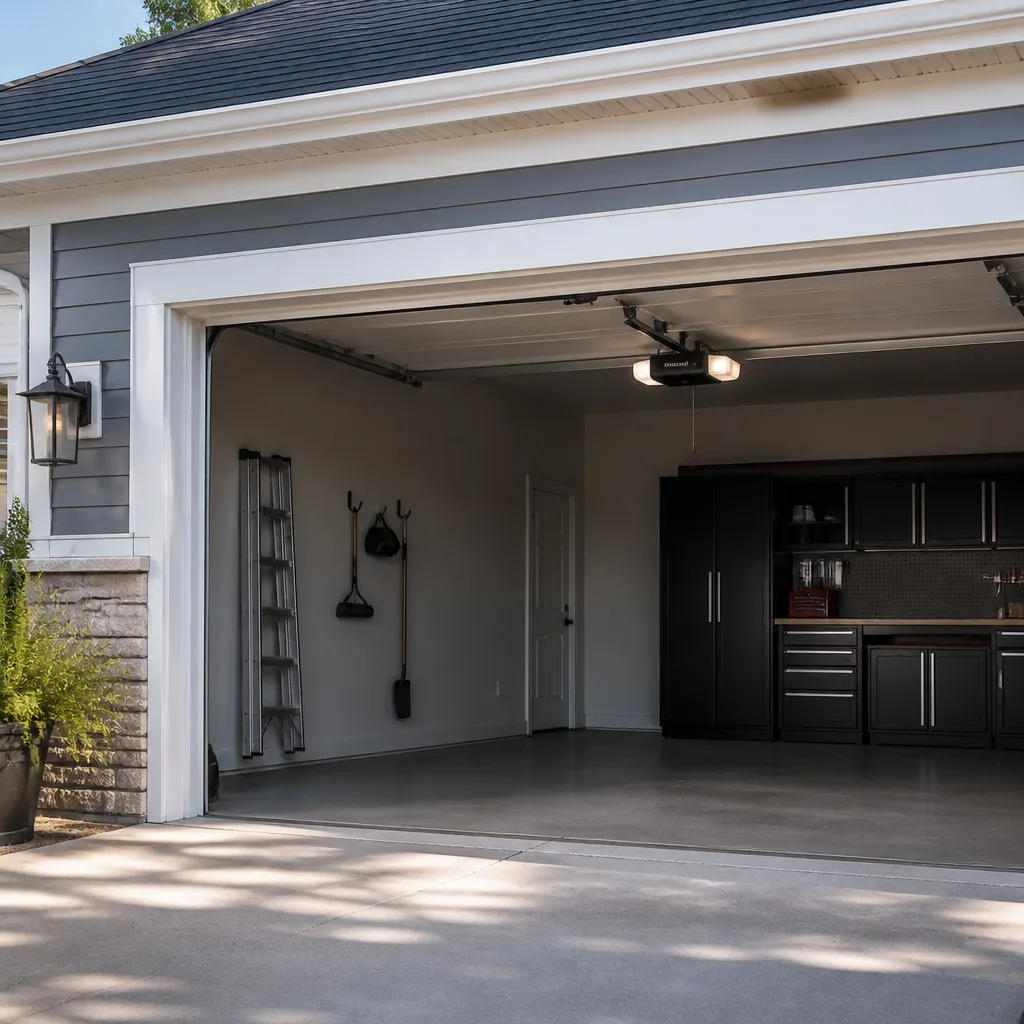 Chamberlain openers
Full 25-point door and opener safety check with every visit - springs, cables, rollers, tracks, and your LiftMaster or Chamberlain opener included
You get a price before we start. It does not change when the pro arrives.
Get your free estimateDIY vs Professional Garage Door: The Mandarin Homeowner’s Decision Guide
Most DIY-versus-pro debates start with money. This one starts with torque. A torsion spring on a fully wound shaft holds enough stored energy to bend metal and break bone, and that single fact reshapes the entire decision. The useful way to sort garage door work isn’t “how much can I save” but “how bad is the consequence if I get this wrong.” Some tasks on your door are genuinely homeowner-friendly. Others carry real physical risk, and no tutorial changes that. This guide walks Mandarin homeowners through a task-by-task risk breakdown, the hidden costs of do-it-yourself work, Florida parts-sourcing realities, and how to tell when a prior DIY attempt made things worse. You’ll finish knowing exactly which jobs to take on and which to hand off.
Quick Answer
For Mandarin homeowners, the split is clear: weatherstripping, sensor alignment, lubrication, and light hardware tightening are safe DIY jobs, while torsion springs, extension springs, cables, and track realignment should go to a trained technician because the stored energy and tension can cause serious injury. Costs are comparable for simple tasks, but the risk-to-consequence ratio on spring and cable work makes professional service the sensible call. A professional offers a written estimate before any work starts, so you know the price up front.
Styles & brands we work with
- Raised-panel steel
- Carriage house
- Modern flush
- Full-view glass
- LiftMaster openers
- Chamberlain openers
Table of Contents
- The Task-by-Task Risk Matrix
- Jobs That Are Genuinely Safe to DIY
- Jobs You Should Never Attempt Yourself
- The Hidden Costs of DIY Garage Door Repair
- Florida Parts and Tool Sourcing Reality
- How to Tell If a Previous DIY Repair Made It Worse
- Where You Can Assist a Pro and Reduce Labor Cost
- DIY vs Professional: A Side-by-Side Cost View
The Task-by-Task Risk Matrix
Garage door work isn’t a single skill level. It’s a spectrum, and the right answer changes job to job. Here’s how the tasks break down in our experience across Mandarin homes, from the genuinely safe to the genuinely dangerous.
- Low risk (homeowner-appropriate): weatherstripping replacement, photo-eye sensor alignment, track lubrication, tightening loose bolts, replacing a wall-mounted opener remote or keypad.
- Moderate risk (assess carefully): roller replacement on a door with no tension, bottom bracket reseating on a sectional door with springs relaxed, opener force and travel adjustment.
- High risk (professional only): torsion spring replacement, extension spring replacement, cable replacement, and any work on a door with a broken spring still attached.
- Structural risk (professional only): track realignment, panel replacement after impact, and hinge or bracket work under load.
The reason the matrix matters is consequence. A misaligned sensor costs you a few minutes of frustration. A misjudged torsion spring can send you to the emergency room. In our experience working on Mandarin doors, the tasks that look easiest on video often hide the most stored energy. If you’re unsure which category a job falls into, that uncertainty is itself a signal to call a professional. For garage door repair across Mandarin, we sort the task first and quote second, so you’re never paying a pro to do something you could safely handle.
Jobs That Are Genuinely Safe to DIY
Some garage door maintenance rewards a careful homeowner with real savings. These tasks involve no stored spring energy, no overhead tension, and no chance of a door coming down on you. Here’s what we tell Mandarin homeowners they can confidently handle themselves.
- Weatherstripping: The rubber or vinyl seal along the bottom of the door and the sides wears out in Florida’s heat and humidity. Pull the old strip, clean the channel, slide in a new one. A utility knife and fifteen minutes get it done.
- Photo-eye sensors: If the door reverses for no reason, a misaligned or dirty safety sensor is usually the cause. Wipe the lenses, check that the small indicator lights are solid, and nudge each sensor until they line up.
- Lubrication: A garage-door-specific lubricant on rollers, hinges, and the torsion bar bearings quiets a squeaky door and extends roller life. Avoid heavy grease, which collects grit.
- Hardware tightening: Bolts and brackets on the door panels loosen over time. A socket wrench and a few minutes of snugging them up reduces rattle.
- Opener accessories: Pairing a new remote, resetting a keypad code, or replacing the battery in a wall console on a LiftMaster or Craftsman unit is straightforward.
What all five have in common: you’re not releasing or fighting stored tension. That’s the line. Cross it and the math changes fast. Our technicians have up to 11 years of experience, and even they treat the spring side of the door as a two-person, controlled job.
Jobs You Should Never Attempt Yourself
This is the section that matters most. It’s also the one most DIY videos underplay. The components below store enough energy to injure you badly, and getting them wrong can also leave the door in a dangerous half-failed state. Take these to a trained professional.
- Torsion springs: Mounted on the header above the door and wound to counterbalance the door’s weight. Releasing one without the right winding bars and technique can spin the shaft violently.
- Extension springs: These stretch along the tracks and carry the same risk if a safety cable isn’t in place or the spring is under load.
- Lift cables: The steel cables that connect springs to the door are under constant tension. A slipped cable can whip and cut.
- Track realignment: Bending a track back into place looks simple until you realize the door’s weight rides on it. A door that jumps track can fall.
- Panel and bottom-bracket work: The bottom bracket anchors cable tension. Loosening it, even slightly, is dangerous.
If your door has a broken spring, don’t run the opener. It strains the motor and can drop the door. This is exactly the work that garage door opener repair and spring service are built for, and it’s the work generalist handymen routinely decline because of the safety risk. We handle high-tension spring repair safely, and we’d rather talk you out of a risky DIY attempt than see you hurt.
The Hidden Costs of DIY Garage Door Repair
The advertised DIY saving is usually just the part price. The real cost includes tools you don’t own, materials you waste, and the callback risk when the first attempt doesn’t hold. Here’s where the math turns against do-it-yourself on the harder jobs.
- Tool acquisition: Winding bars, a proper set of torsion tools, and cable pullers aren’t things most homeowners keep in the garage. Buying them for one job eats the savings.
- Wasted materials: Buy the wrong spring gauge or a track section that doesn’t match your door, and that money is gone. Springs must be matched to door weight and height.
- Callback risk: A DIY fix that fails partway leaves you calling a pro anyway, having spent both time and money. The second attempt costs more than the first would have.
- Secondary damage: An opener forced against a jammed door burns out the motor. A misaligned track chews rollers. These add real cost.
- Your time: A task that takes a trained technician an hour can take a first-timer a full afternoon, often with a return trip to the parts store.
For the safe jobs, DIY wins on cost and that’s fine. For the hard jobs, the price you’d pay a professional often comes out lower once you count tools, waste, and the cost of a failed attempt. Our written estimate is set per job before work starts, so there’s no invoice surprise after the fact.
Florida Parts and Tool Sourcing Reality
Here’s a factor competitors skip: DIY feasibility in and around Mandarin depends heavily on whether you can actually get the right part locally. A job that’s simple in theory becomes a week-long wait when the component you need isn’t on a shelf nearby.
Springs are the clearest example. Torsion and extension springs come in specific wire gauges and lengths matched to your door’s weight and height. A big-box store often carries only a few common sizes, and a wrong-gauge spring either won’t lift the door or overloads the opener. Ordering online means waiting on shipping and hoping you measured right. For a Clopay, Amarr, or Wayne Dalton door, the exact replacement spec matters, and getting it wrong wastes your money and your weekend.
Tools are the second hurdle. Winding bars, cable pullers, and a door-weight scale aren’t stocked at most home centers, and buying them for a single job rarely pencils out. Rollers, hinges, and weatherstripping are easier to find, which is part of why those tasks are the friendly ones for DIY.
This is where parts availability changes the calculation. We supply garage door parts directly, which cuts the delays that come from third-party sourcing. So when a job is genuinely a professional one, the right part is available and the repair isn’t waiting on a special order. For Mandarin homeowners weighing DIY, ask yourself one question first: can I get the exact part today? If the answer is no, the DIY plan is already behind.
How to Tell If a Previous DIY Repair Made It Worse
A lot of the doors we see in Mandarin have been touched before, sometimes more than once, and the trouble often isn’t the original problem. It’s the fix. Here’s how to spot a prior DIY attempt that’s now working against you.
- The door reverses or stops mid-travel. Often a symptom of force or travel limits adjusted to compensate for a struggling spring, which masks the real problem and strains the opener.
- Uneven lift or a door that binds. Frequently the result of a mismatched spring, a track bent back into rough alignment, or a roller forced into a wrong-sized bracket.
- New noises after a repair. Grinding or popping that started after someone worked on the door usually means a roller, hinge, or cable was installed wrong or left loose.
- Stripped or missing fasteners. Self-tapping screws in place of proper bolts, or brackets held by one loose screw, are a clear sign of a rushed job.
- A suddenly slow or straining opener. When the door got harder to move, the opener took the load. That points to a balance problem upstream.
If any of these sound familiar, don’t keep adjusting the opener to compensate. The right move is a proper diagnosis. We work on LiftMaster, Chamberlain, Genie, Clopay, Amarr, Wayne Dalton, Craftsman, and Raynor doors every day, so we recognize the telltale signs of an earlier attempt without a learning curve. Our technicians have up to 11 years of experience reading exactly these problems.
Where You Can Assist a Pro and Reduce Labor Cost
There’s a middle path between full DIY and paying for everything. On some jobs, a semi-skilled homeowner can legitimately reduce labor by handling the safe prep and cleanup around the work a technician does. We’re happy to work that way when it makes sense.
- Clear the work area: Empty the garage bay, move stored items away from the tracks, and have the car out. That’s time a technician doesn’t have to spend, and it’s time you’re not billed for.
- Know your door’s details: Have the brand, model, and door dimensions on hand. For a Raynor or Wayne Dalton door, that speeds up parts matching.
- Handle the safe parts yourself: You can replace weatherstripping or clear a sensor fault before the visit so the technician focuses on the actual repair.
- Do the post-repair tidying: Trash removal and resetting the garage after the work are yours to handle.
What we don’t recommend is attempting the tension or structural portion yourself and asking a pro to “finish.” A half-completed spring or cable job is more dangerous than an untouched one, and it’s not a place to split the labor. The clean split is: you prep and clean up, we handle anything under tension. That keeps the safety line intact and still trims the bill. To schedule a visit for a free measure and a written price, we’re glad to lay out exactly what’s safe for you to do and what we’d handle.
DIY vs Professional: A Side-by-Side Cost View
Prices vary by door and job, and a written estimate always sets the final figure. But the comparison below shows why the DIY saving is smaller than it looks on the harder tasks. Treat these as typical ranges, not quotes.
- Weatherstripping: DIY part cost is modest and the job is safe. Professional install is inexpensive too; DIY usually wins here.
- Sensor alignment: DIY, free to a few dollars if a part is needed. A service call to fix it costs more but saves frustration.
- Lubrication and tightening: DIY with a can of door lubricant and a wrench. Low cost, low risk, worth doing yourself.
- Roller replacement: DIY parts are affordable, but a pro avoids mismatch; closer to even once you count time.
- Spring replacement: DIY means buying specialized tools plus the correct-gauge spring, with real injury risk; a pro brings the right part and the safe technique.
- Cable or track work: DIY is risky and often ends in a callback; professional service is the safer and often cheaper path overall.
- Opener replacement: DIY installers often miss force and travel calibration; a pro tunes it correctly the first time. For garage door installation, proper setup is part of the job.
The pattern is consistent: DIY pays off on the low-risk end and loses ground fast as risk climbs. Our technicians have up to 11 years of experience, and the tasks they do fastest are exactly the ones that carry the most stored energy.
Common Mistakes to Avoid
- Running the opener with a broken spring. It strains the motor and can drop the door. Stop using the door and call for service.
- Buying a spring by eye. Springs must match door weight, height, and cycle life. The wrong gauge won’t balance the door and can overload the opener.
- Adjusting opener force to mask a balance problem. In Mandarin’s humidity, a dragging door often needs lubrication or a spring fix, not more motor force.
- Skipping the safety cable on extension springs. Without it, a failed spring can fly. That’s a safety component, not an option.
- Bending a track back by hand. A rough bend throws off the door’s travel and can cause a jump. Realign with the right gauge and tools.
- Overtightening panel bolts. Snug is enough. Over-torquing warps panels and stresses hinges on a Wayne Dalton or Clopay door.
- Ignoring the safety sensors after a repair. If the door doesn’t reverse on contact, stop and get it checked before anyone stands under it.
See the difference
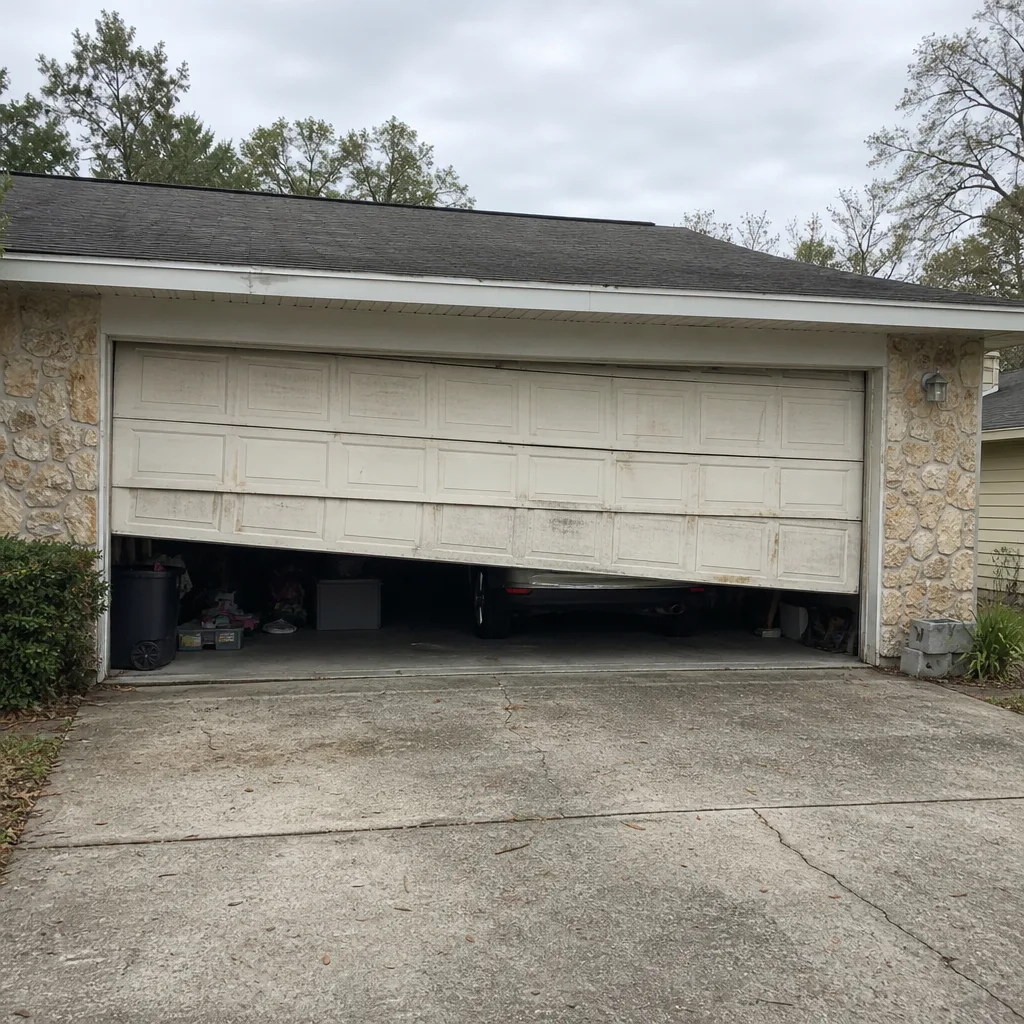 Before
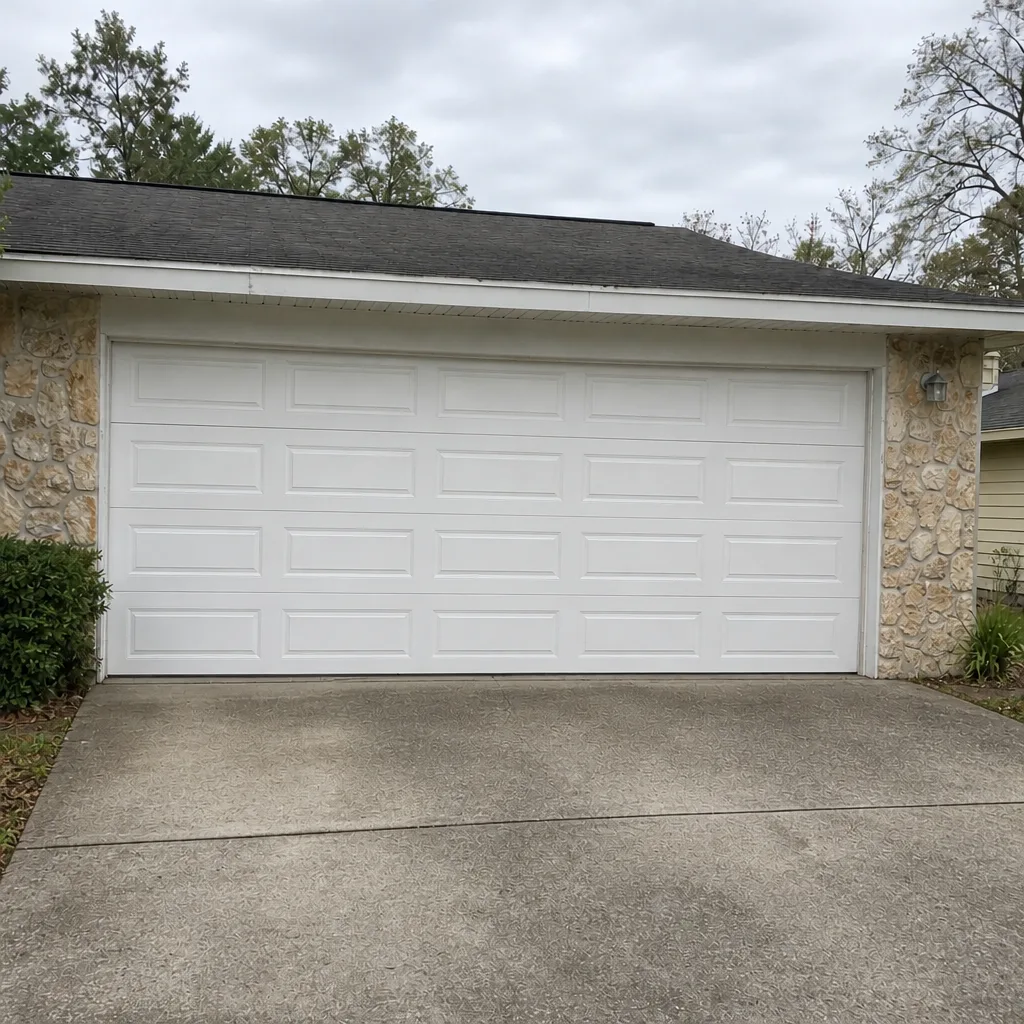 After
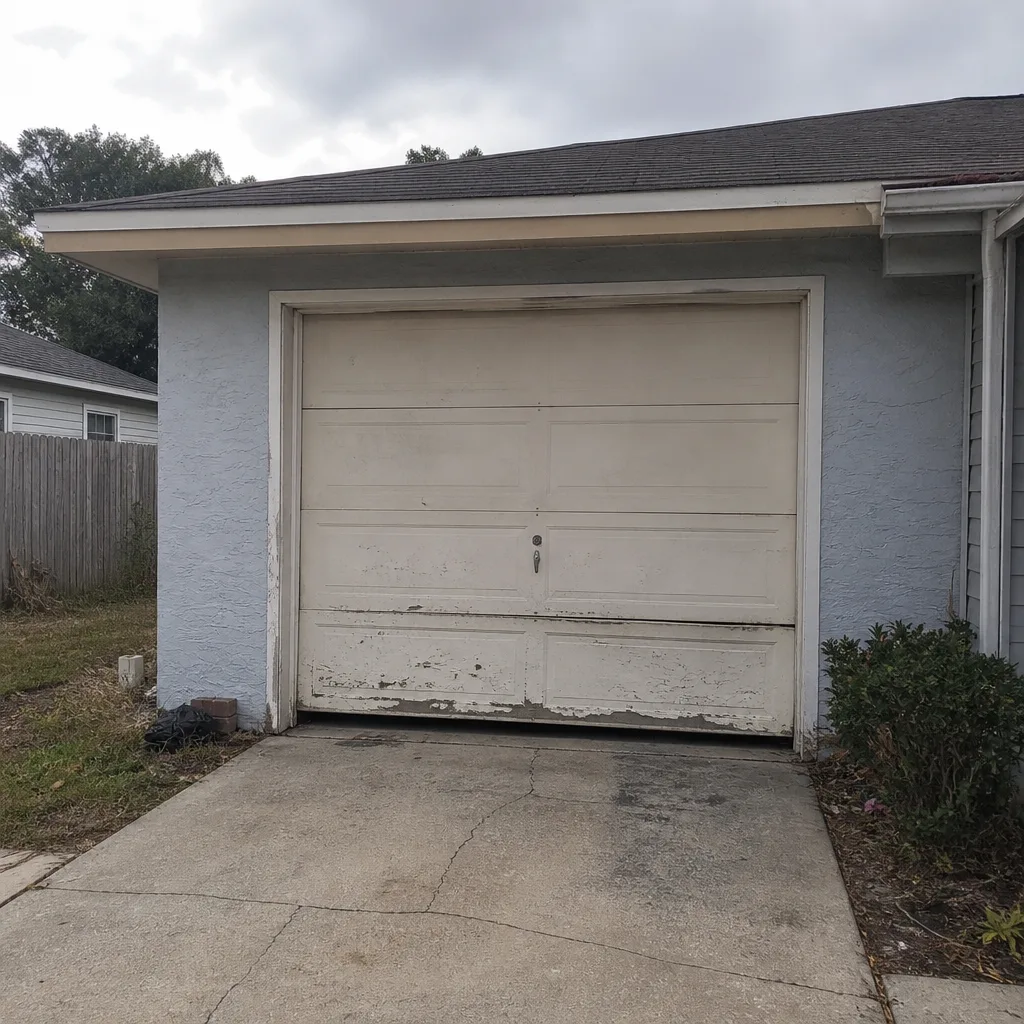 Before
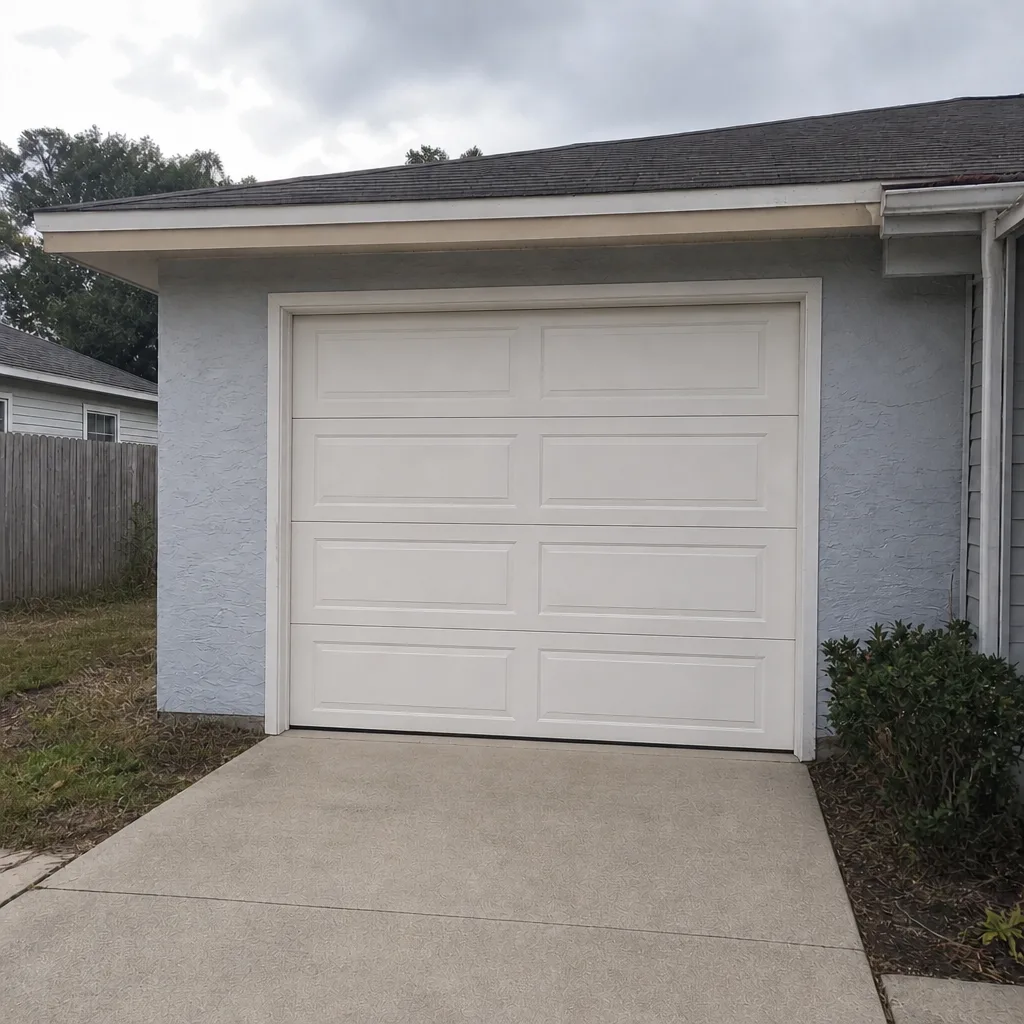 After
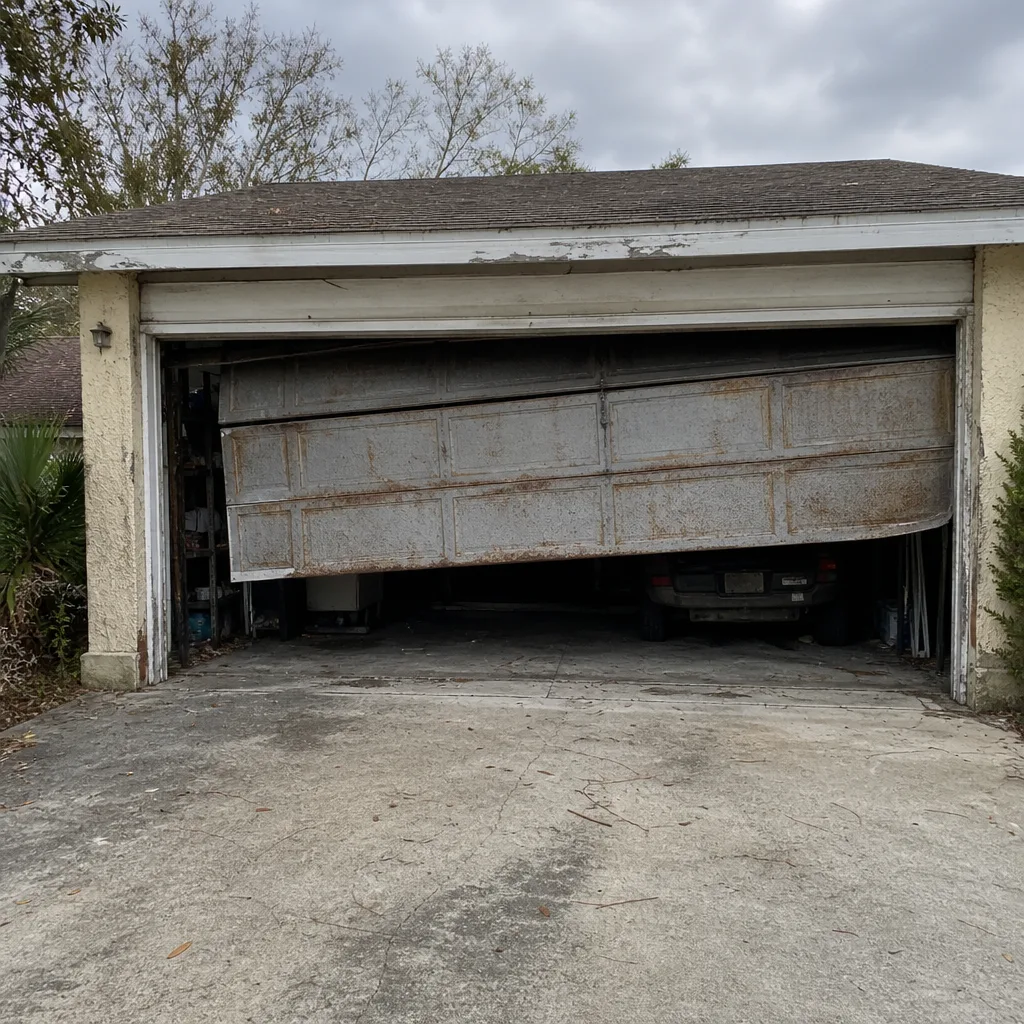 Before
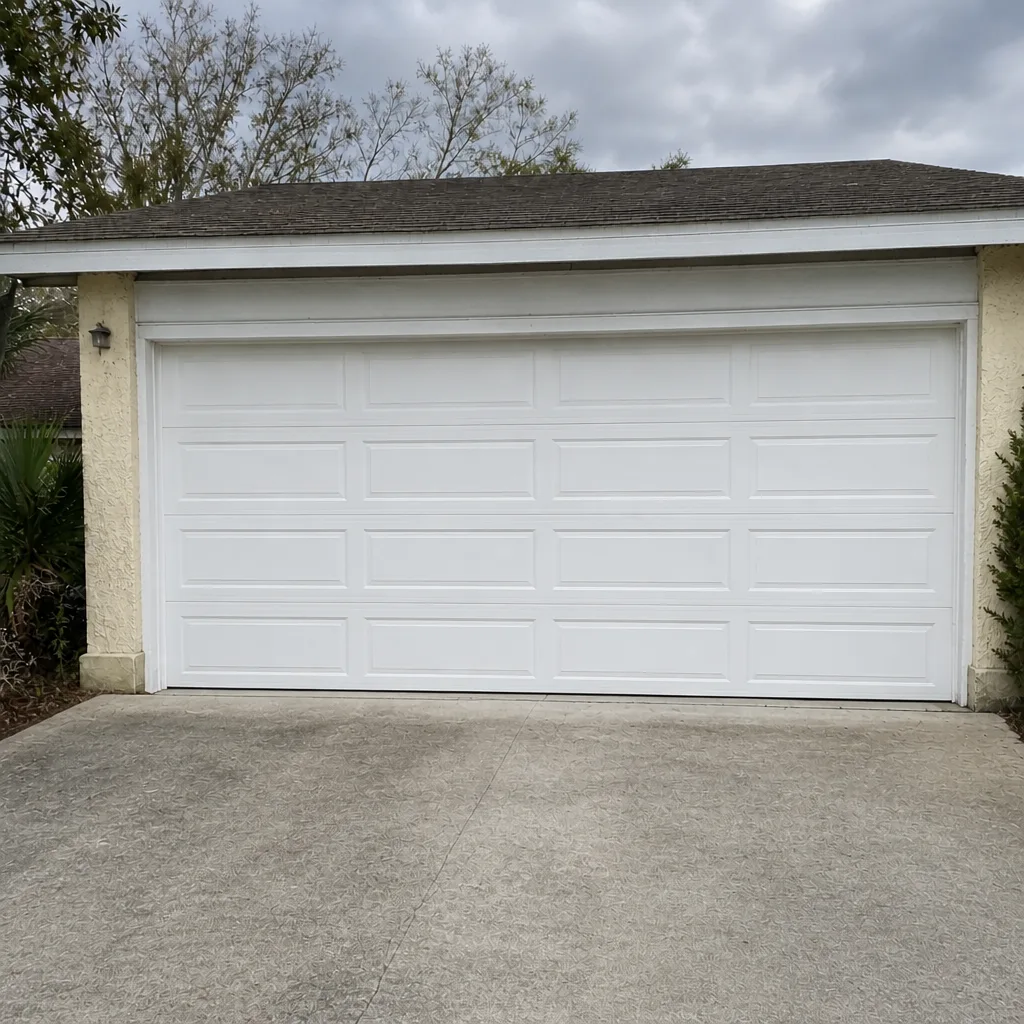 After
When to Call a Professional
Call a professional the moment the job involves springs, cables, or track alignment. That’s the high-risk tier where the stored energy and the consequence of a mistake both climb. Call too if the door reverses erratically, if it’s uneven, if the opener strains, or if a prior repair left it noisy or binding. And call if you’re simply unsure which tier a task falls into, because uncertainty is a safety signal. Mandarin Garage Door Repair offers free estimates in Mandarin, so there’s no cost to getting a clear answer before you decide. Call (833) 508-9952. We answer 24/7. Fast dispatch from 7am to 7pm, Sunday through Friday.
Frequently Asked Questions
You really shouldn’t. Torsion and extension springs are under heavy tension, and releasing one incorrectly can cause serious injury. It’s the single most dangerous task on a garage door, which is why generalist handymen typically decline it. Call us for spring repair done safely.
Only for the low-risk jobs like weatherstripping, sensor alignment, and lubrication. On spring, cable, and track work, the hidden costs of tools, wasted parts, and callbacks usually erase the savings. Call (833) 508-9952 for a free estimate so you can compare on real numbers.
Weatherstripping, photo-eye sensor alignment, lubrication, hardware tightening, and remote or keypad setup are all safe for a careful homeowner. Anything that releases or fights spring and cable tension belongs with a trained technician. When in doubt, call and ask.
Watch for a door that reverses or binds, new noises after a repair, uneven lift, or a straining opener. Those often point to a mismatched spring or a force limit adjusted to mask a problem. A proper diagnosis sorts it out; call us and we’ll take a look.
It depends on the part. Rollers, hinges, and weatherstripping are easy to find, but springs in the right gauge and size are harder to source off the shelf. That’s a big reason spring work is a professional job. We supply the right parts directly, which avoids the wait.
We work on all the major residential brands, including LiftMaster, Chamberlain, Genie, Clopay, Amarr, Wayne Dalton, Craftsman, and Raynor. That means whichever brand is already on your home, a technician recognizes it without a learning curve. Call (833) 508-9952 to book a visit.
The Bottom Line
The DIY-versus-pro question has a cleaner answer than most homeowners expect: it depends on the task, not the door. Weatherstripping, sensor alignment, lubrication, and hardware tightening are safe, worthwhile DIY jobs. Springs, cables, and track realignment carry real risk and belong with a trained professional, because the stored energy in those components doesn’t forgive a wrong move. Florida’s parts and tool sourcing makes the harder jobs even less DIY-friendly. Where the risk is high, the consequence of a mistake, not the part price, should drive your call. For anything under tension, we’re ready to help. Garage doors are all we do, and Mandarin Garage Door Repair can take you from a broken spring to a full installation with a free estimate and a written price before work starts.
Ready to get your door sorted? Call (833) 508-9952 for a free estimate. We answer 24/7. Fast dispatch from 7am to 7pm, Sunday through Friday. If you’re exploring a full replacement, our garage door installation service starts with a free measure and a written price, and if the opener itself is the culprit, our garage door opener repair team can diagnose it for you. Garage door repair and spring work are handled by the same specialist team at Mandarin Garage Door Repair.
Written by the team at Mandarin Garage Door Repair.