
Last updated November 21, 2026
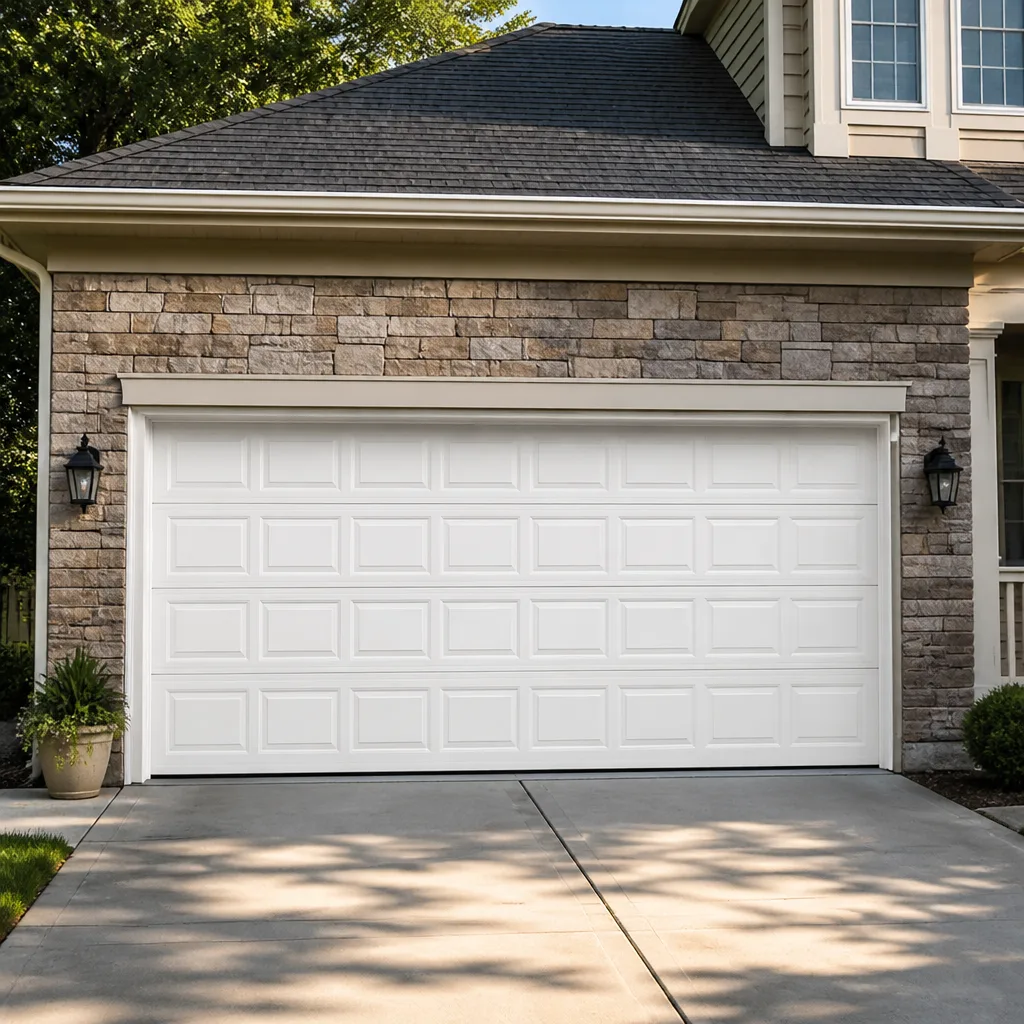 Raised-panel steel
 Carriage house
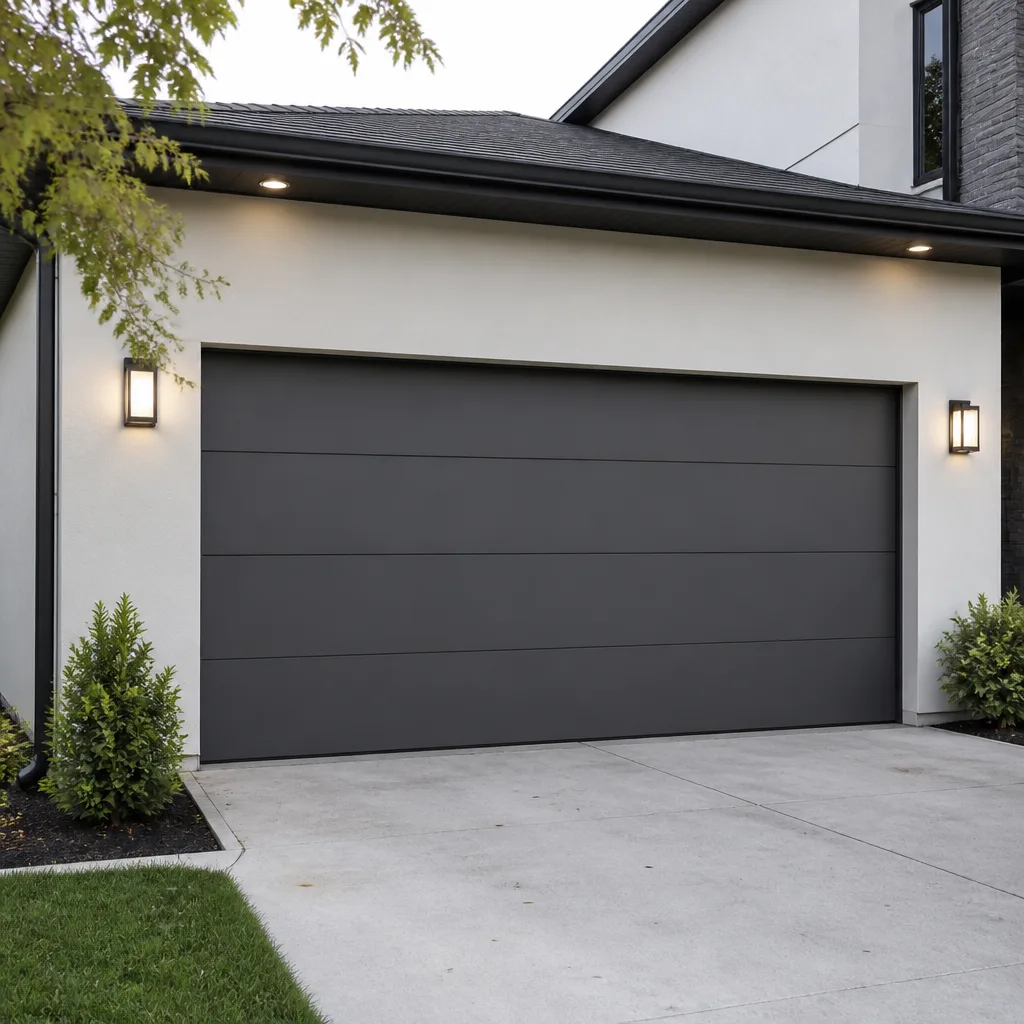 Modern flush
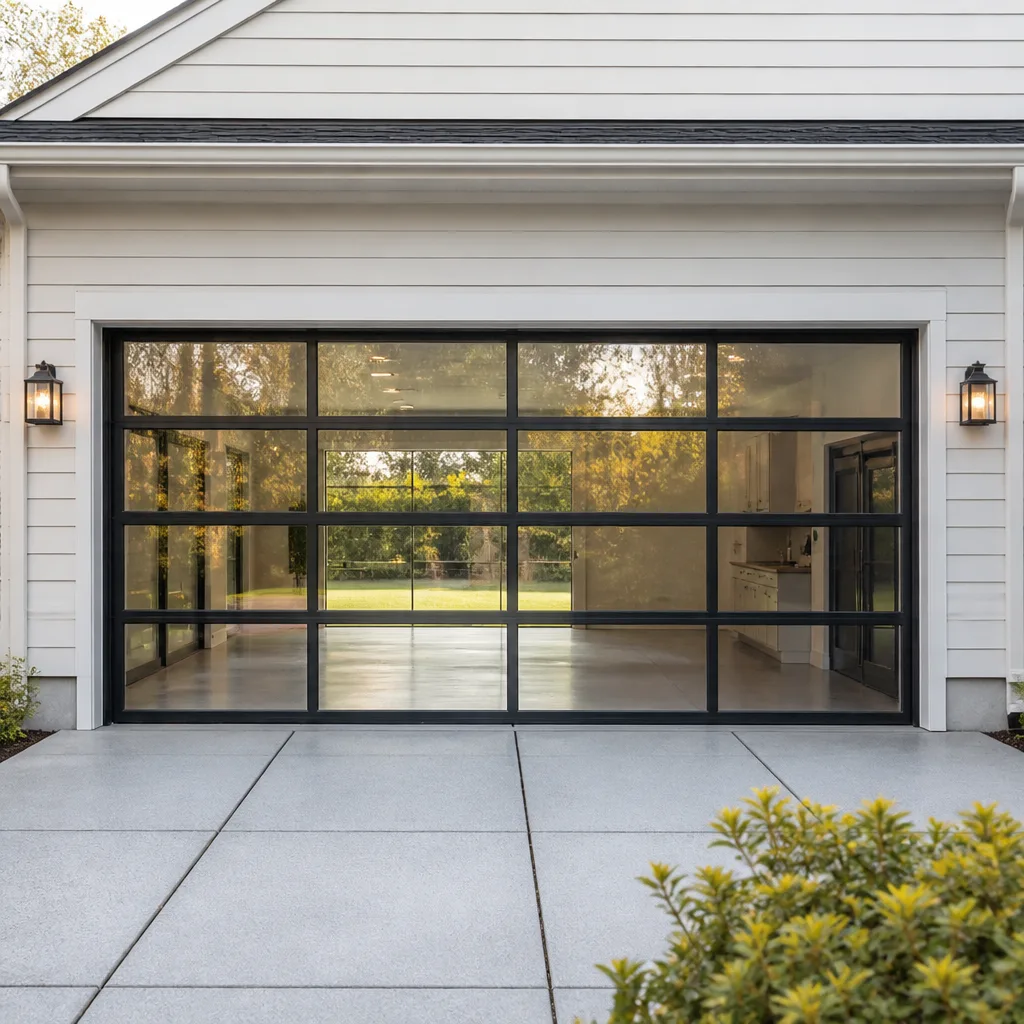 Full-view glass
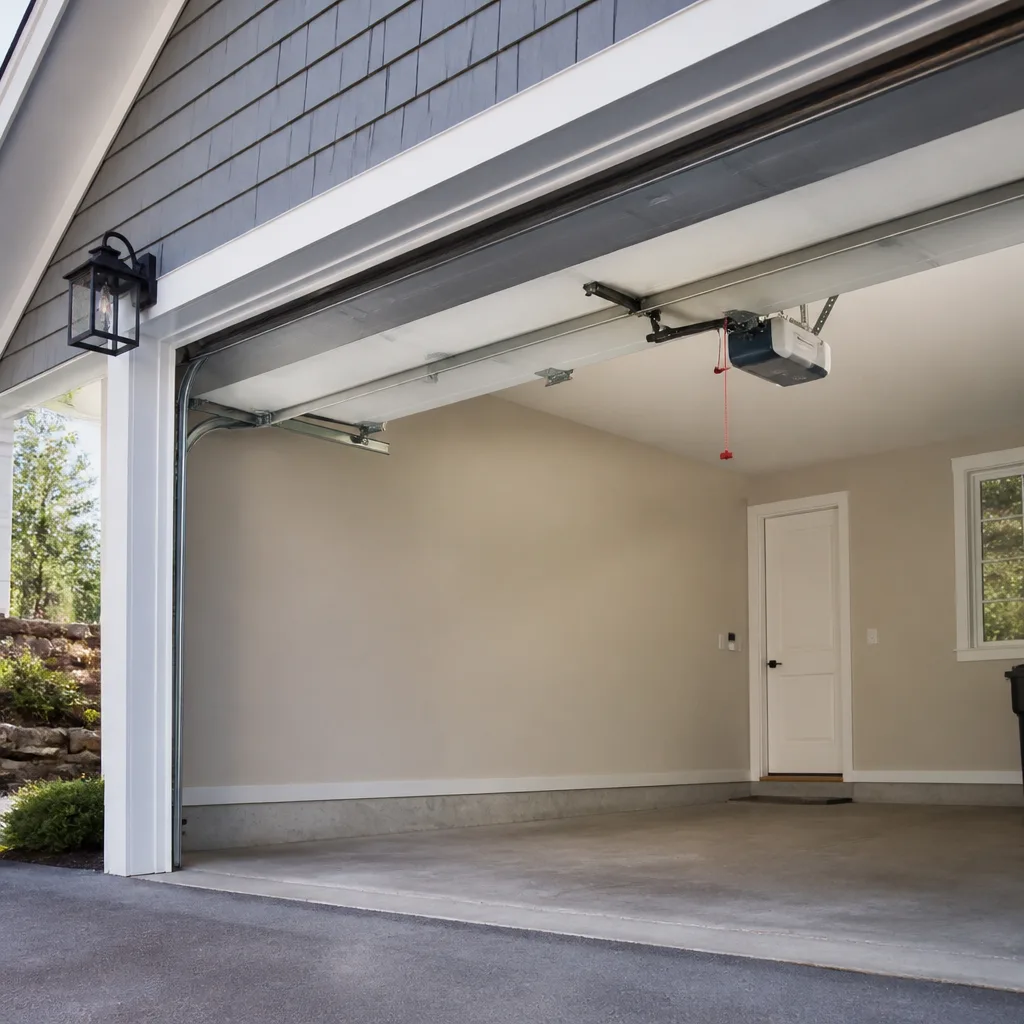 LiftMaster openers
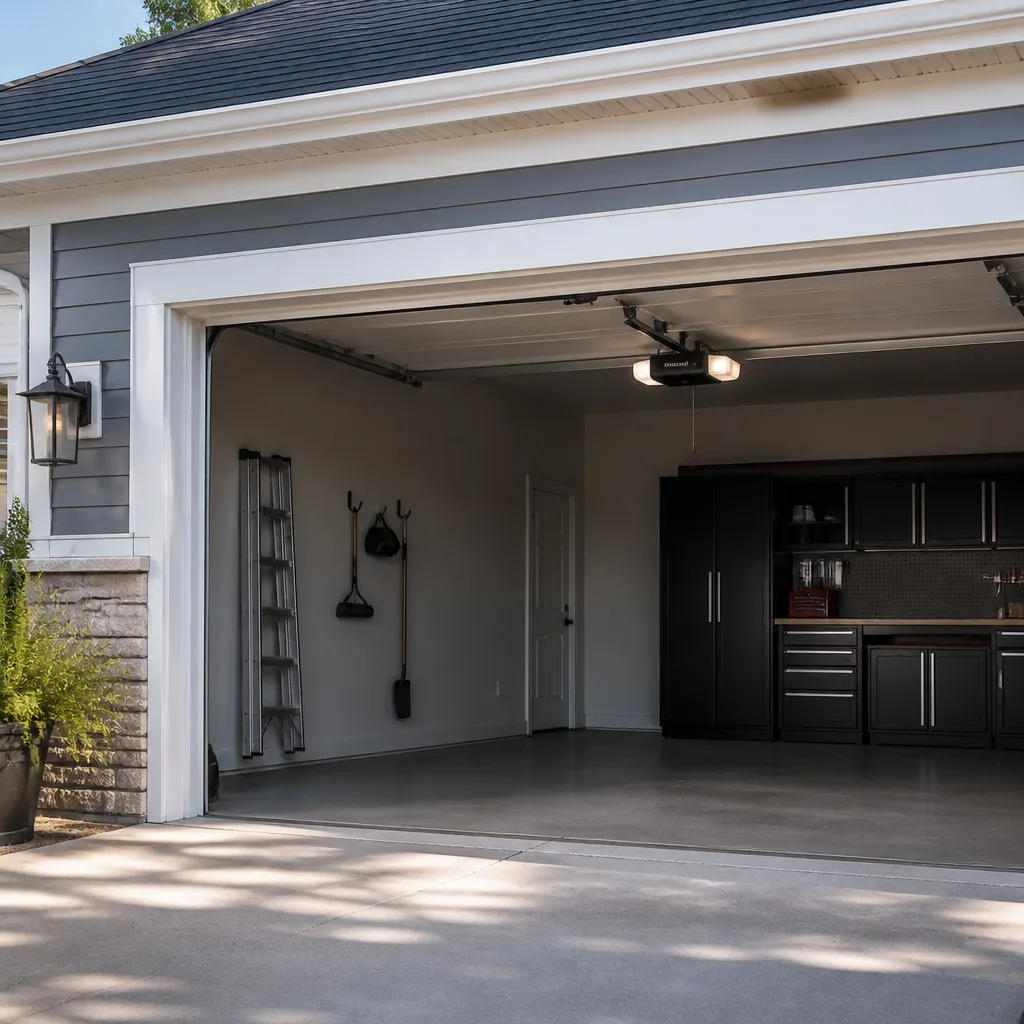 Chamberlain openers
Full 25-point door and opener safety check with every visit - springs, cables, rollers, tracks, and your LiftMaster or Chamberlain opener included
You get a price before we start. It does not change when the pro arrives.
Get your free estimateGarage Door Repair Maintenance Checklist for Mandarin Homeowners
Most garage door maintenance advice fails here because it was written somewhere else. The number one mistake we see is homeowners lubricating the wrong parts – spraying the tracks until they’re slick while the rollers, hinges, and torsion spring shaft (the parts that actually need it) stay dry. A wet track just collects grit and wears your rollers faster. This guide is built around what genuinely breaks on garage doors in Mandarin: heat and UV wear, heavy rain and humidity working on your seals, and the parts that quietly fail because nobody looked at them. You’ll learn the checks that matter, the frequency for each, and the point where a pro should step in.
Garage doors are all we do, so we’ve watched which maintenance habits pay off and which ones just move dirt around. Our technicians have up to 11 years of experience across every major brand on the road today, from Clopay and Amarr to Wayne Dalton and Craftsman, and the checklist below reflects what holds up in Mandarin’s climate. Read it once, then use it as a reference you come back to.
Styles & brands we work with
- Raised-panel steel
- Carriage house
- Modern flush
- Full-view glass
- LiftMaster openers
- Chamberlain openers
Quick Answer
A complete garage door maintenance routine covers lubrication of the moving metal parts (not the tracks), a balance and safety-reverse test, a visual scan for cable fraying and seal wear, and a cycle-based check on the springs and rollers. Do the lubrication and safety tests monthly, inspect seals and cables seasonally, and schedule a professional look every 10,000 cycles or at the first sign of rough operation. In Mandarin, the priorities are UV and heat degradation on seals and springs, and moisture intrusion at the bottom seal.
Table of Contents
- Quick Answer
- What to Lubricate, and What to Leave Alone
- How to Test Balance in Under 5 Minutes
- Testing Travel Limits and Auto-Reverse
- Spotting Cable Fraying Most Homeowners Walk Past
- Bottom Seals and Weatherstripping for Heat, Rain, and Bugs
- Monthly vs. Annual vs. Every 10,000 Cycles
- Opener Care and Quiet Operation
- Common Mistakes to Avoid
- When to Call a Professional
- Frequently Asked Questions
- The Bottom Line
What to Lubricate, and What to Leave Alone
The single most useful change most Mandarin homeowners can make is learning what not to spray. The tracks are guides, not bearings. They’re designed to run dry, and a coat of lubricant turns them into a grit magnet. The parts that need lubrication are the moving metal-on-metal contact points:
- Rollers – the bearing pins inside each roller. These take constant load and run dry long before they look worn.
- Hinges – every pivot on a sectional door. They squeak because the pin is dry, not because the door is failing.
- Hinge pins – the small shafts that turn inside each hinge bracket.
- The torsion spring shaft – the bar the springs revolve around, not the spring coils themselves.
- The opener’s rail or chain (if yours uses one) – per the manufacturer’s recommendation.
On the product question: WD-40 is the wrong call for most of these contact points. It’s a solvent and light water displacer, not a lasting lubricant. It cuts through rust and grime, then evaporates and leaves the pin dry again within days. In Florida’s heat, it may look like it worked because the door quiets for a day, then the squeak returns louder. Use a garage-door-rated spray lubricant, ideally a white lithium or silicone-based product listed for door hardware, and use it sparingly. A thin film is the goal. Flooding each hinge leaves drips that collect dust, undoing your work in a week.
Do not lubricate the torsion springs themselves. Those coils are under extreme tension. If the door is binding or the spring is noisy, that’s a call-to-a-professional signal, not a lubrication task. Working on the torsion system is one of the areas that carries real risk, and no homeowner should put tools near a wound torsion spring. Our team handles garage door repair on everything that touches the spring and cable assembly precisely because it’s where the danger lives.
How to Test Balance in Under 5 Minutes
A balanced door should stay put at any height and lift with modest effort. If your door feels heavier than it used to, that’s a sign the springs are losing lift, or the door is dragging on something. Here’s a five-minute test with the opener disconnected:
- Close the door completely. Pull the manual release cord to disconnect the opener arm.
- Lift the door by the handle to about halfway. Use steady force. Watch for drag or a rough spot.
- Let go and observe. A properly balanced door stays where you leave it. A door that drops means the springs are underpowered or worn. A door that lifts above the stop point means they’re overpowered.
- Lower it back to closed and reconnect the opener by moving the arm until it engages the trolley.
Do not attempt to adjust spring tension to fix a balance problem. Torsion springs are wound under high tension and adjusting them is one of the most dangerous jobs in residential home repair. If your door fails a balance test in Mandarin, that’s a technician call. A small adjustment at the spring or a spring replacement gets the door back to correct balance safely.
In our experience, a door that was balanced fine six months ago and feels heavy now is either a spring winding down or a cable that has slipped off a drum. Both are worth a professional look before the door forces the issue.
Testing Travel Limits and Auto-Reverse
Every door with a modern opener has two safety features worth testing monthly: the travel limits (where the door stops when open and closed) and the auto-reverse (the door’s response to an obstruction). Both are life-safety features. A door that closes on an object or a person is a serious problem.
To test auto-reverse, place a roll of paper towels or a flat object roughly the size of a two-by-four in the middle of the driveway where the door closes. Run the door down. On contact, it should reverse to full open. If it stops on the object and pressures down before reversing, adjust the sensitivity per the opener manufacturer’s instructions. If it keeps pushing without reversing, stop using the door and call for service.
Some openers use photo-eye sensors mounted at floor level on each side of the door. Clear away cobwebs, leaves, and the lawn debris that collects. Wipe the lenses. Align the sensors until the indicator light on each side shows a clear beam. In Mandarin’s summer humidity, spiders nest in the sensor housing fast, and a single web across the beam will stop the door from closing. It’s the most common “my door won’t close” diagnostic we get, and it’s a two-minute fix on a monthly check.
For travel limits, run the door through a full open-and-close. The door should rest flush with the floor when closed, not compress the seal or hang a half inch above it. When open, it should stop before hitting the opener housing. If the door short-strokes or over-travels, the limits need adjustment. That’s covered in your opener’s manual. On newer LiftMaster and Chamberlain openers, travel limits are set through the wall control. On older Craftsman units, they’re set with screws on the motor housing. If you’re not sure which style you have, we can sort it out during a service visit, and our garage door opener repair work covers every major brand.
Spotting Cable Fraying Most Homeowners Walk Past
Garage door cables run from each lower corner of the door up to the drum on the torsion shaft. They carry the full weight of the door under tension, and they’re the part most likely to fail without warning. Homeowners walk past them every day and never look. There are three visual cues to check:
- Fuzz or broken strands near the drum or the bottom corner. A healthy cable is smooth and tightly wound. Even one broken strand is a warning sign because the rest are carrying more load.
- A cable off its drum. If the cable is unspooled or riding outside the groove, do not operate the door. Call a technician.
- Rust or discoloration at the cable ends where the fittings attach. This is the first point of failure on many cables.
Never handle a cable under tension. Cables and springs together hold up the entire door, and releasing one under load can cause serious injury. If you see any of the warning signs above, close the door, keep it closed, and call. A technician can replace the cable safely and check the springs and drum while they’re there. This is exactly the sort of high-tension work many handymen will not take on, and it’s why it pays to call a garage-door-only specialist.
The same visual inspection applies to the torsion springs above the door. Look, don’t touch. A spring with a visible gap in the coil has broken. A spring with heavy rust is on its way out. Neither is a homeowner repair. Our technicians have worked on these assemblies thousands of times and know what a spring that’s about to fail looks like long before it snaps.
Bottom Seals and Weatherstripping for Heat, Rain, and Bugs
The bottom seal is the rubber or vinyl strip that touches the floor when the door closes. It does three jobs in Mandarin: it blocks rain from blowing in under the door, it seals against bugs (a serious local concern given the roaches, ants, and small lizards that get through any gap), and it keeps out the hot, humid air that otherwise leaks into the garage. In Florida’s heat and UV exposure, this seal is one of the first parts to degrade. It hardens, cracks, and shrinks away from the door frame. Once it’s gone, you’re losing the seal and letting pests in.
Check the bottom seal monthly by looking along its full length with the door closed. Any visible crack, missing chunk, or gap at either corner is a replacement trigger. Press the seal with your thumb. If it feels brittle rather than springy, it’s on its way out even if it looks intact. Replacement seals are inexpensive and easy to source through a parts supplier.
Then check the weatherstripping around the door frame (the perimeter stops) and the top seal. Run your hand around the closed door. Any spot where you feel air, or can slip a piece of paper, needs attention. UV damage shows first on the sun-facing side, so the southeast edges often fail first on a Mandarin garage. A cracked or torn perimeter seal lets rain in during a summer storm and gives insects an easy path into the garage. Both are worth addressing before the rainy season.
For door panels themselves, look for paint fading, blistering, or surface rust on steel doors. Our technicians see Clopay and Amarr steel doors wear differently than a Wayne Dalton wood or composite door, and each has its own care needs. A quick annual wash with mild soap and a rinse, plus touch-up on any rust spots, extends panel life in a way that no amount of mechanical maintenance can replace.
Monthly vs. Annual vs. Every 10,000 Cycles
Not every check needs to happen on the same schedule. Here’s how we break it down for Mandarin homeowners:
Monthly
- Lubricate rollers, hinges, hinge pins, and the torsion shaft.
- Test auto-reverse and photo-eye sensors.
- Run the door a full cycle and listen for new noises.
- Check the bottom seal for visible damage.
Every Season (roughly every 3 months)
- Inspect cables for fraying or slack.
- Check the perimeter weatherstripping and top seal.
- Look at panel condition for rust or paint failure.
- Clear debris from the photo-eye lenses.
- Test the balance and travel limits.
Annually
- Inspect all rollers. Replace any that are flat-spotted, cracked, or noisy.
- Inspect the torsion springs for rust or visible gap.
- Check the hinges for worn bushings.
- Lubricate the opener chain or screw drive per manufacturer guidelines.
- Have a professional inspect the door once. A trained eye catches what a homeowner can’t.
Every 10,000 Cycles
- Spring inspection and tension check.
- Roller replacement on high-use doors.
- Full system inspection of the opener, tracks, and hardware.
A cycle is one open and one close. A typical household runs four to six cycles a day, so 10,000 cycles works out to roughly four to seven years depending on how busy the garage is. If your door is used more than average because someone works from home, or the garage is a workshop, that number arrives faster. Standard torsion springs are usually rated for a defined cycle count, and replacing them before they fail is cheaper than replacing them after a failure that also damages the door or opener. If your garage door installation is newer, the first spring inspection around the 10,000-cycle mark is a good idea even if the door still feels fine.
Opener Care and Quiet Operation
The opener is usually the last part of the system homeowners think about, and yet it’s often the source of the complaint (“it stopped working,” “it’s really loud,” “it won’t close all the way”). A few basic care practices keep it reliable:
- Clear the opener housing of dust. The motor draws air through vents and dust clogs them over time. A vacuum and a dry cloth once a year is enough.
- Test the wall control and both remotes. A remote that works intermittently may just need a battery, but a wall control that stops responding usually points to wiring or the control board.
- Check the force settings. Most modern openers have force sensitivity settings. If the door is binding on a track, the opener compensates by pushing harder, and that’s a warning sign of a track or roller problem.
- Watch for flashing error codes. Each brand has its own code pattern. A LiftMaster or Chamberlain unit flashes a specific number of times to indicate a sensor or travel problem. Genie and Craftsman units use similar patterns. Note the number of flashes and mention it when you call. It saves a diagnostic step.
We work on LiftMaster, Chamberlain, Genie, Craftsman, and other openers day in and day out, and the codes mean different things on each brand. If the flashes are intermittent and you can’t pin down the pattern, a technician visit will sort it out in minutes. Delaying on a code that keeps repeating usually turns into a motor replacement, and that’s a bigger job than the original fix.
Common Mistakes to Avoid
- Lubricating the tracks. Tracks should stay dry. Lubricant attracts grit, wears rollers faster, and can gum up over time.
- Using WD-40 as a long-term lubricant. It’s a short-term fix that dries out. Use a garage-door-rated lithium or silicone spray on the moving contact points instead.
- Ignoring a door that’s out of balance. A door that lifts above where you leave it, or drops when released, is warning you the springs are losing lift. Adjusting tension yourself is dangerous; call a pro.
- Operating a door with a frayed cable. A cable that’s already failing under load can snap and whip. Close the door and call.
- Skipping the bottom seal in Mandarin’s summer season. A cracked seal is the difference between a dry garage and a wet one, and it’s the easiest entry point for bugs.
- Cleaning the tracks with oil instead of wiping them down. A dry rag and a brush work better than any oil-based product on the tracks.
- Putting off a spring inspection past the 10,000-cycle mark. Springs break when they’re ready to break; replacing them on a schedule is far less disruptive than an unplanned failure.
When to Call a Professional
Most of the checklist above is safe for a homeowner. The line where a call becomes the right move is clear: anything involving the torsion springs, the cables, or a door that’s binding and refusing to open or close normally should go to a trained technician. Springs under tension are the most common source of garage door injuries, and no online guide can make that work safe. Other moments worth a call: any unusual bang at the start of a cycle, a door that reverses on its own without contact, a door that creeps up slowly under opener power, and a clearly visible crack or gap in a torsion spring. A door that feels heavier than it used to is also a call. It’s almost always the springs.
Mandarin Garage Door Repair offers free estimates in Mandarin – call (833) 508-9952. We answer 24/7. Fast dispatch from 7am to 7pm, Sunday through Friday. Our technicians have up to 11 years of experience and work on every major brand you’re likely to have on your home. High-tension spring repair is one of the services we handle that many handymen won’t touch, and we carry the parts to complete most repairs the same visit.
Frequently Asked Questions
Every one to two months for the rollers, hinges, and torsion spring shaft. Florida’s heat and humidity dry out lubricant faster than cooler climates, so a bimonthly schedule holds up better than a quarterly one. Use a garage-door-rated lithium or silicone spray, not WD-40, and keep the tracks dry.
It’s not the right product for ongoing lubrication. WD-40 is a water displacer and light solvent, not a lasting lubricant. It quiets the squeak for a day or two, then dries and leaves the pin drier than before. On rollers and hinges, use a heavier spray lubricant designed for garage door hardware. Call (833) 508-9952 if you’re not sure what to use; we can tell you what fits your door.
Rust, a visibly winding appearance where the coils appear compressed or slack, and a door that suddenly feels heavier are the three most common warning signs. If you can see a gap in the coil, the spring has already broken. Do not touch it. A torsion spring stores enormous energy even when the door is closed, and the only safe response is a technician visit. Estimates are free; call for one.
Fraying near the drum or the bottom corners, broken wire strands, rust at the end fittings, and any cable that has jumped its drum groove. Each of these means the door shouldn’t be operated until a technician looks at it. Cable failure under tension can cause serious injury.
Replacing the bottom seal is one of the safer DIY maintenance tasks on a garage door if the door can be locked open or supported safely. If you’re not comfortable with that, a technician can do it quickly during a routine visit. The bigger concern in Mandarin is the perimeter weatherstripping, which often needs replacement at the same time. Estimates for both are free.
Every opener brand uses a different procedure: LiftMaster and Chamberlain use the wall control, while Genie and Craftsman usually use adjustment screws on the motor housing. The manual for your model has the steps. If you don’t have the manual or the door won’t stop in the right place after adjustment, call (833) 508-9952. We work on every major brand and can reset the limits on your model in one visit.
The Bottom Line
A garage door that gets regular maintenance is a garage door you don’t think about. The routine isn’t complicated: lubricate the moving metal contact points (never the tracks), test the auto-reverse and balance monthly, check cables and seals each season, and schedule a professional look every 10,000 cycles. In Mandarin, pay extra attention to the bottom seal and weatherstripping during the humid months, and watch the torsion springs for rust or loss of lift. The dark side of skipping this is that failures show up when you least expect them, often as a broken spring or a cable that has already snapped. A few minutes a month keeps that from happening. If you’d rather hand the checklist to a specialist, our team is a call away, and estimates are always free.
Call (833) 508-9952. We answer 24/7. Fast dispatch from 7am to 7pm, Sunday through Friday. Find more of what we do on our main Mandarin Garage Door Repair page, and if you’re ready to book a maintenance visit or a repair, we’ll get you on the schedule.
Written by the team at Mandarin Garage Door Repair.
See the difference
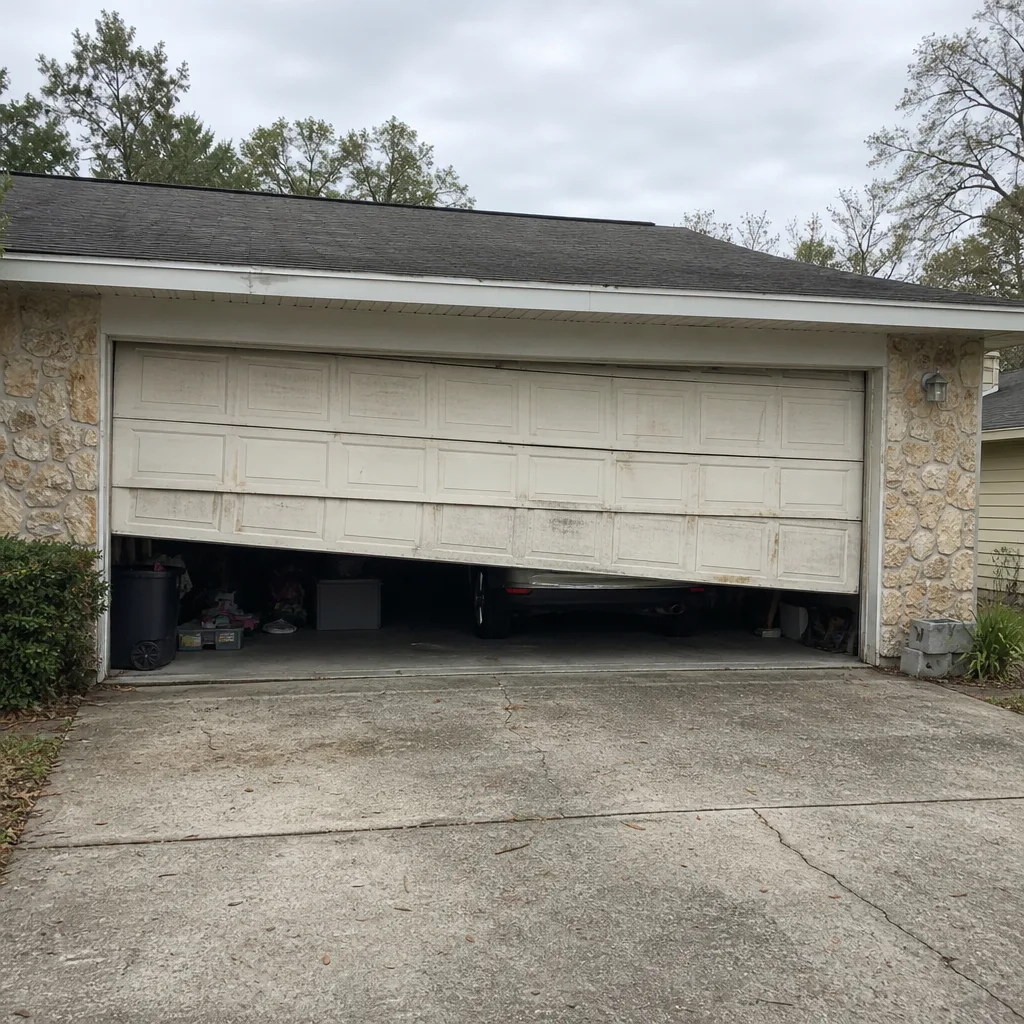 Before
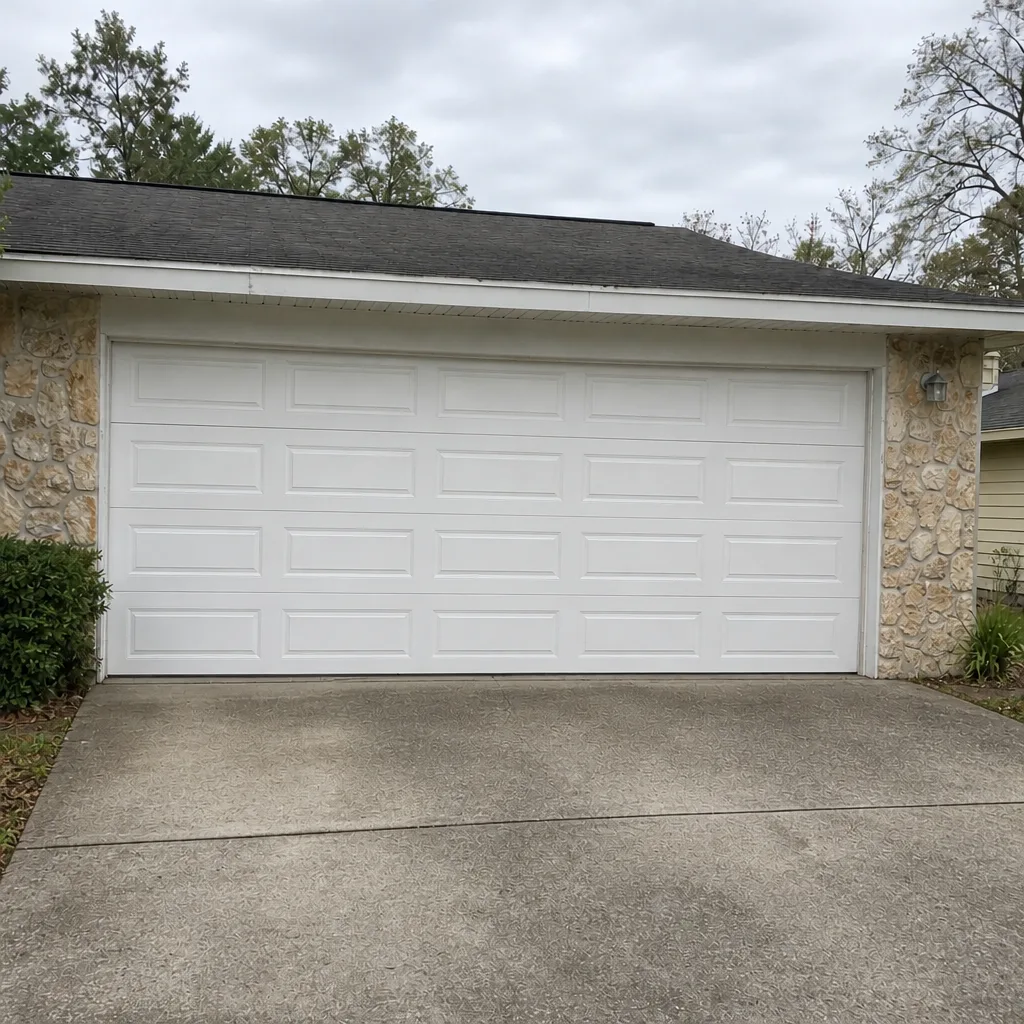 After
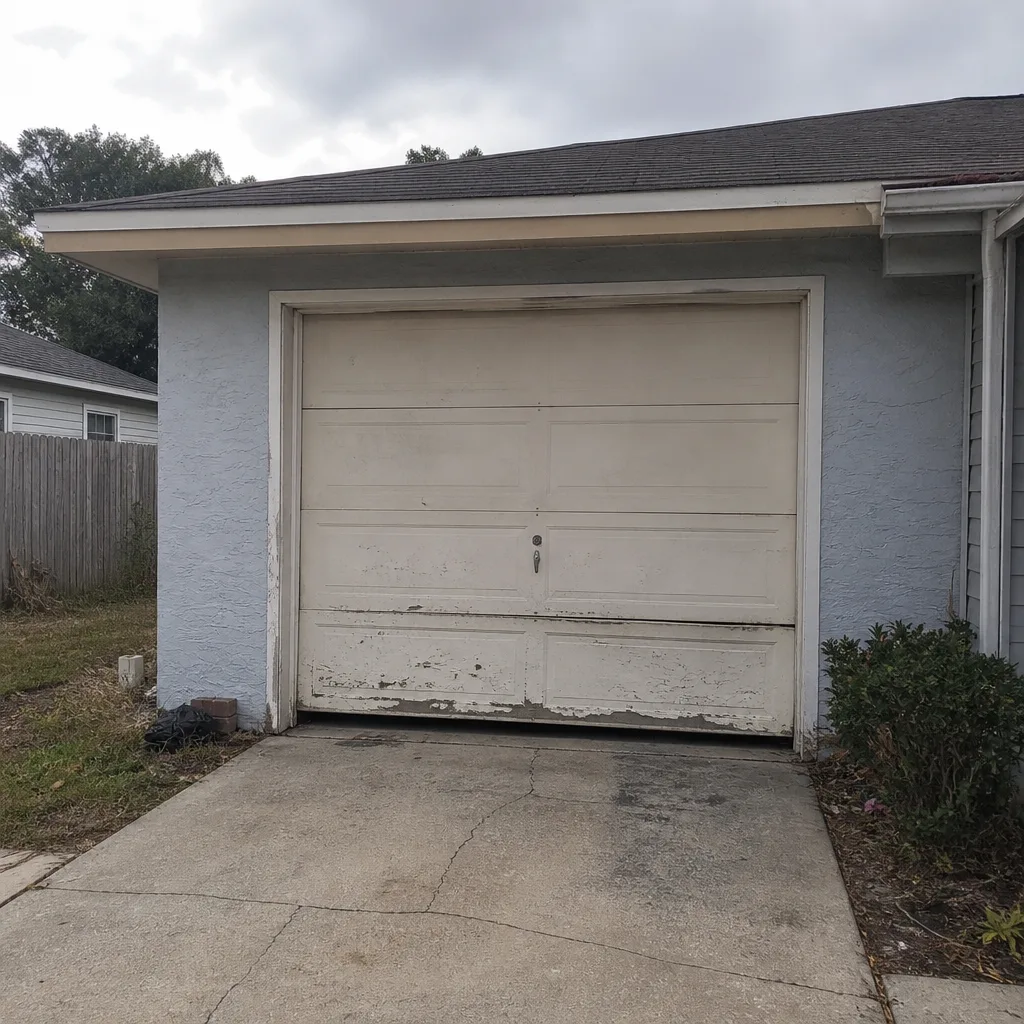 Before
 After
 Before
 After