
Last updated November 21, 2026
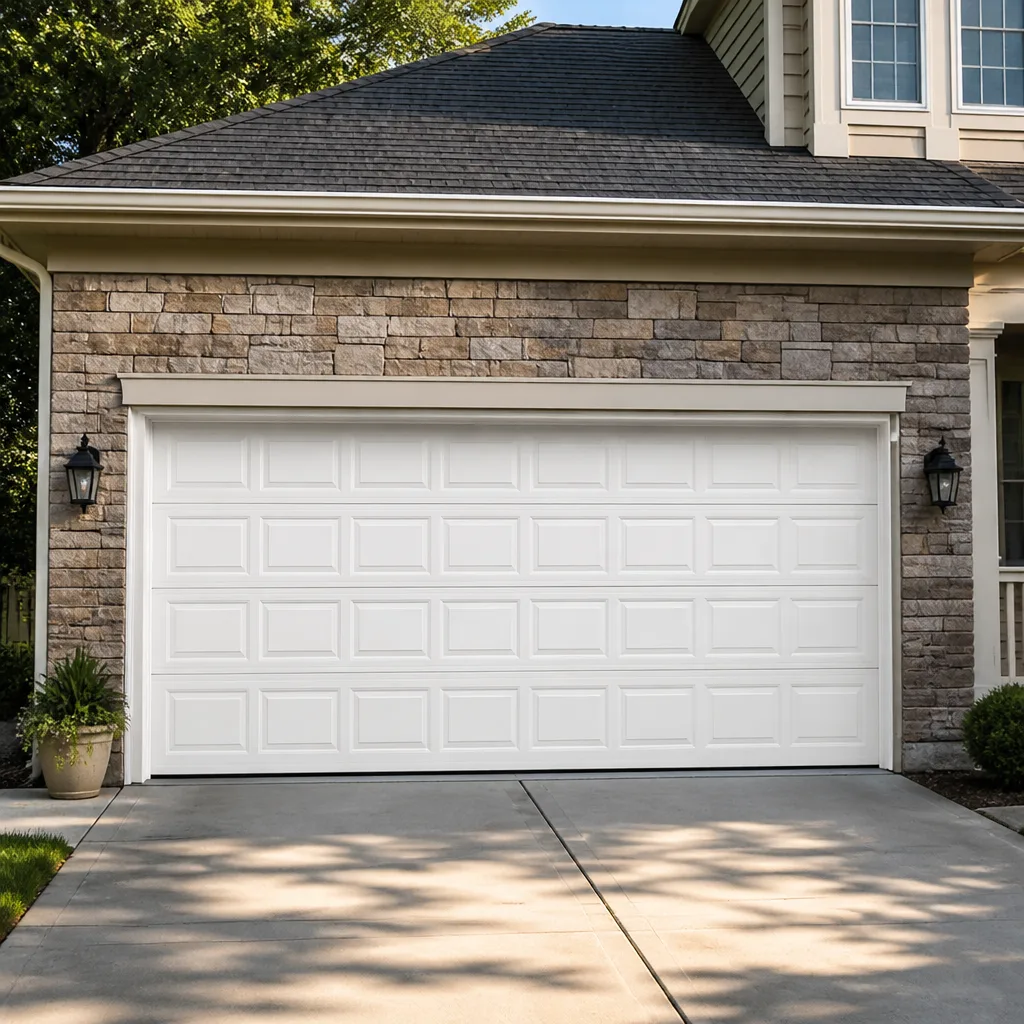 Raised-panel steel
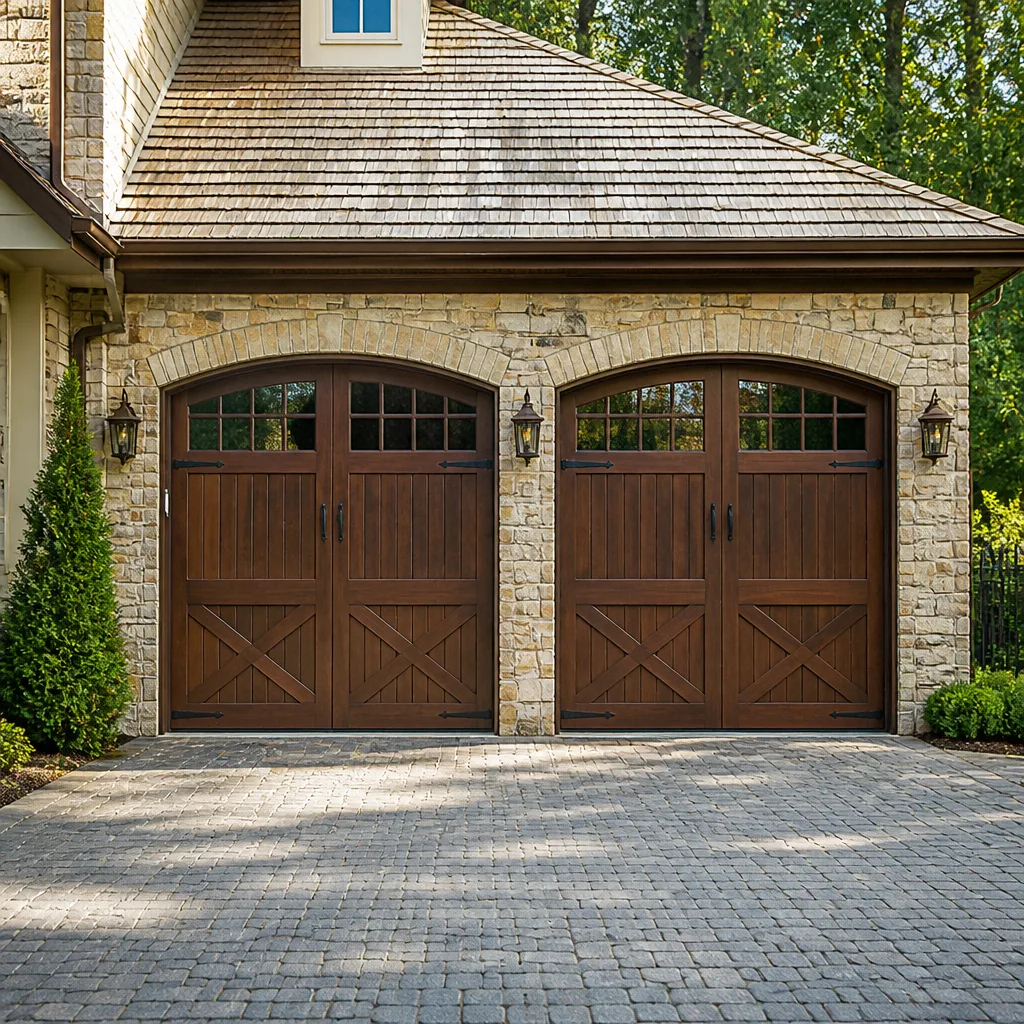 Carriage house
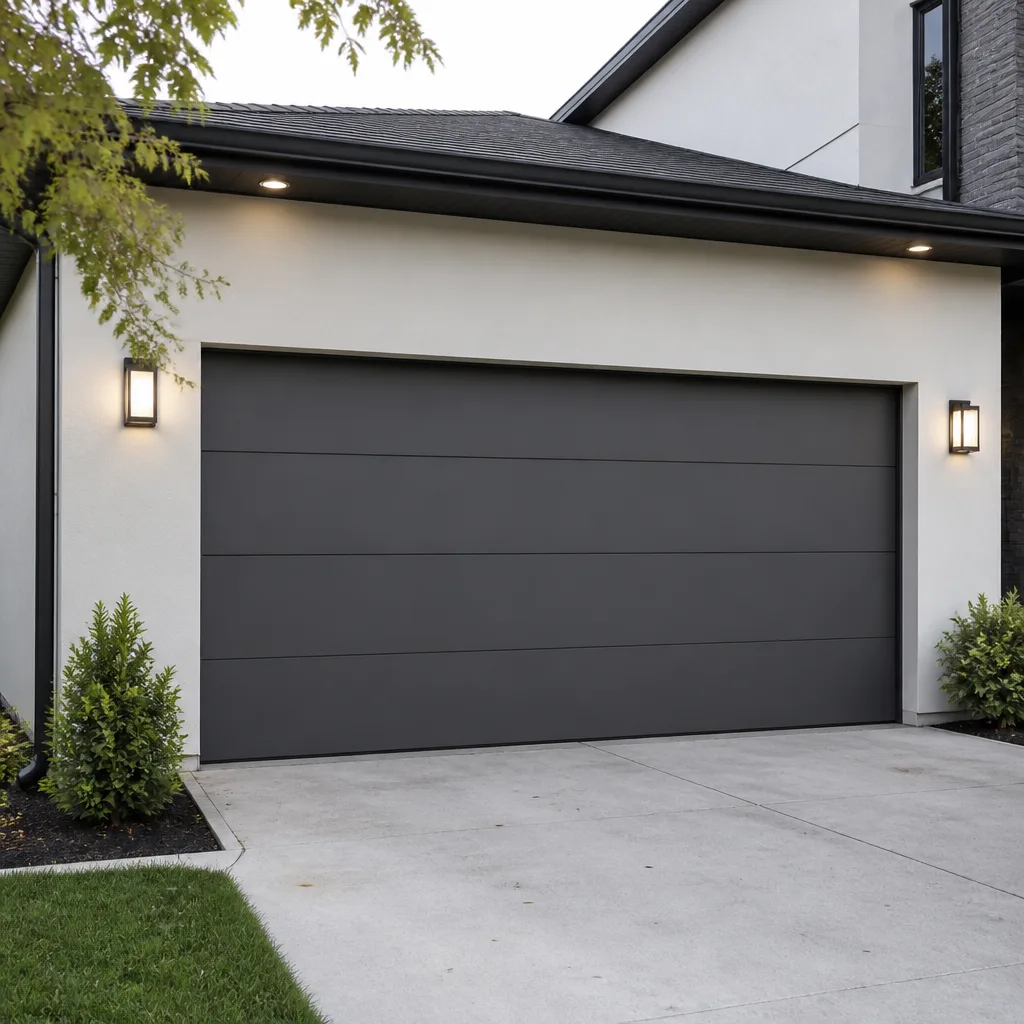 Modern flush
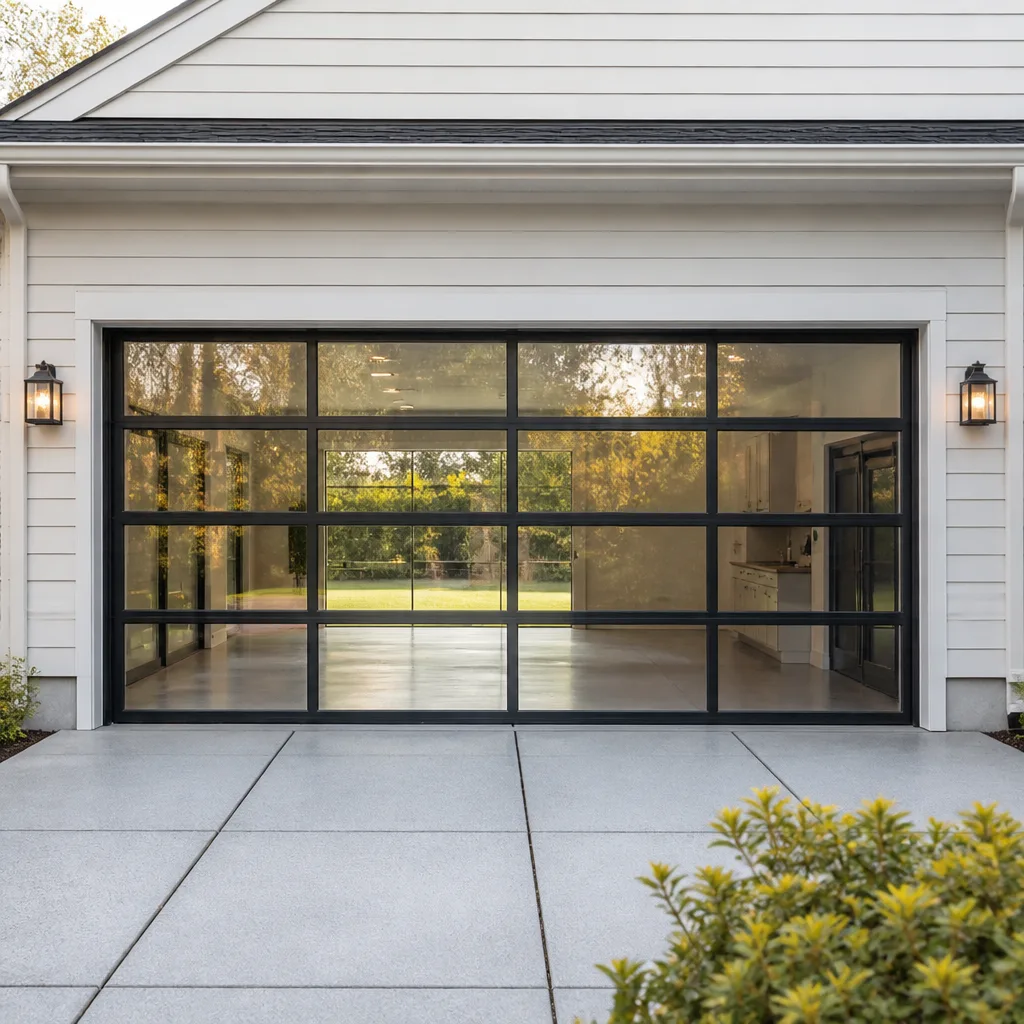 Full-view glass
 LiftMaster openers
 Chamberlain openers
Full 25-point door and opener safety check with every visit - springs, cables, rollers, tracks, and your LiftMaster or Chamberlain opener included
You get a price before we start. It does not change when the pro arrives.
Get your free estimateGarage Door Permits, Codes & Inspections in Mandarin, FL: What You Need to Know
In Florida, a garage door is classified as an exterior opening protective device under the Florida Building Code. That classification matters more than most homeowners expect. A straight panel swap without a permit isn’t a paperwork issue you can sort out later; it can follow the house through an insurance review and a title search. Mandarin sits in a part of Duval County where wind-load requirements apply to every exterior opening, and the garage door is usually the largest one on the home. This guide covers when a repair crosses the line into permitted work, what inspectors actually look for, how to read a wind-load label before you buy, and why your HOA and the county run two separate approval tracks. If you’re planning a replacement in Mandarin, read this before you sign anything.
Quick Answer
A garage door replacement in Mandarin and the rest of Duval County generally requires a building permit because the door is an exterior opening protective device regulated for wind resistance under the Florida Building Code. Routine repairs like spring, cable, roller or opener replacement typically don’t require a permit, but any change to the door, its framing, or its rated assemblies does. The permit process includes at least a rough inspection and a final inspection, and you’ll also need separate HOA approval if your community has one.
Styles & brands we work with
- Raised-panel steel
- Carriage house
- Modern flush
- Full-view glass
- LiftMaster openers
- Chamberlain openers
Table of Contents
- When Does a Garage Door Job Need a Permit in Duval County?
- Florida Building Code Section 1609 and Mandarin’s Wind Zone
- What Inspectors Actually Check
- How to Verify a Door’s Wind-Load Rating Before You Buy
- HOA Approval vs. County Permit: Two Separate Tracks
- The Permit Process Step by Step
- How Permitting Affects Insurance and Resale
- Common Mistakes to Avoid
When Does a Garage Door Job Need a Permit in Duval County?
Replacing a garage door in Duval County generally requires a permit. Repairing one usually does not. The dividing line is whether the work changes the door, the operator assembly, or any component that carries a wind-resistance rating. Swapping a torsion spring, replacing a broken cable, installing new rollers, or repairing an opener motor are maintenance and repair tasks. Installing a new door, changing door size, adding a door where none existed, or replacing the framing around the opening are permitted work. When in doubt, the Duval County Building Inspection Division is the authority, and a quick call to their office settles the question faster than any online forum.
We’ve watched this distinction trip up homeowners in Mandarin more than anywhere else in the area. The neighborhood has a large stock of homes from the 1980s through the 2000s, many now on their second or third door. When a door gets replaced and the original permit was never pulled, the paperwork gap sits in the property record until someone notices during a sale, a refinance, or an insurance inspection. Pulling the permit upfront is cheaper than correcting the record later.
Here’s the practical breakdown:
- Permit typically required: full door replacement, door size change, track and framing modification, opener replacement that alters the mounting structure, new construction or addition
- Permit typically not required: spring replacement, cable replacement, roller and hinge replacement, panel repair where the rated assembly is unchanged, opener repair or motor replacement using existing mounting
- Ask the city: high-lift or low-headroom conversions, adding windows to an existing door, and any change to the door’s labeled wind rating
If you’re planning a replacement, work with a specialist who knows the permit path. Our garage door installation service handles the door, the hardware, and the paperwork coordination that goes with permitted work.
Florida Building Code Section 1609 and Mandarin’s Wind Zone
Florida Building Code Section 1609 governs wind loads, and it’s the section that makes garage door permitting more consequential than homeowners often realize. Section 1609 requires exterior opening protective devices to resist the design wind pressures for their location. In Duval County, that means a garage door must carry a manufacturer’s rating that meets or exceeds the required design pressure for the site. The rating isn’t generic to the door model; it’s specific to the door’s width, height, and the rated assembly of panels, tracks, hinges, and reinforcement struts together. A door rated for one width isn’t automatically rated for a wider opening using the same panels.
Mandarin sits in a wind zone where the design pressure is high enough that a door rated for inland Georgia won’t pass. That’s a real risk when a homeowner orders a door online or accepts a bargain unit that came from out of state. The label matters, and the installation has to match the label. Reinforcement struts that come in the box with the door are part of the rated assembly. Leave them off because they look unnecessary, or substitute a different strut, and the door no longer carries the rating the permit was issued against.
What this means for a Mandarin homeowner:
- The door must be labeled for the design pressure at your address, not just for Florida generally
- The assembly must be installed as the manufacturer’s rating requires, including struts and any listed wind posts
- Substituting hinges, tracks, or struts changes the rated assembly and can fail the inspection
- Opener brand and model don’t affect the wind rating, but the opener’s mounting can affect the door’s ability to seal the opening
Our technicians have up to 11 years of experience, and reading Section 1609 compliance labels is part of every replacement measure we handle. Our garage door repair work on existing doors also accounts for the original rated assembly, because a repair that changes a rated component is no longer just a repair.
What Inspectors Actually Check
During a permitted garage door replacement, the inspector is comparing what’s on the door to what the permit application said would be there. The inspection usually happens in two phases. The rough inspection happens after the framing and mounting hardware are in place, but before the door is fully assembled. The final inspection happens after the door is hung, balanced, and operating. Skipping the rough inspection and calling for final only can force the door back off the tracks.
What inspectors check at the rough stage:
- Header and jamb condition: the framing around the opening must be sound and meet the application’s stated structural requirements
- Mounting hardware: the tracks and brackets must be anchored per the manufacturer’s installation instructions, with the required fasteners
- Reinforcement components: any struts, wind posts, or rated hardware listed on the label must be present and correct
- Application match: the door being installed must match the permit, including size, label, and rated assembly
What inspectors check at the final stage:
- Manufacturer label: the label must be intact and legible, and its ratings must match the permit
- Balance and operation: the door must open and close under manual operation without binding, and the travel must be correct
- Safety features: if an opener is installed, the photo-eye system and auto-reverse function must work as designed
- Sealing: the door must sit flush against the opening weather seal with no visible gaps
- Clearance and hardware: the door must clear the tracks cleanly and all rated hardware must still be in place after installation
In our experience, the two most common failure points are a missing strut that came with the door and label damage during installation. Both are easy to avoid by keeping the label visible and installing the door exactly as the rating documents specify.
How to Verify a Door’s Wind-Load Rating Before You Buy
The wind-load rating is on the manufacturer’s label, usually affixed to the inside of one panel. Look for the design pressure rating, the product control or evaluation report reference, and the door’s size range. The label should also state which reinforcement components are part of the rated assembly. If the label only shows the model number and nothing else, that’s not enough. A Clopay or Amarr door carries its rating information with the door, and a reputable dealer can produce the manufacturer’s certificate for the specific size before the order is placed. If the certificate can’t be produced, the door shouldn’t be installed on a permitted opening.
The label should also be checked against the site. The door is rated for specific sizes; a door at the widest end of the range is rated differently from the same model at the narrowest. That’s a real risk when a homeowner falls in love with a door style before checking the size. Verify the label before the door ships, not after it’s on the floor of the garage.
A short pre-purchase checklist:
- Confirm the design pressure rating on the label meets the required design pressure for your address
- Confirm the door size falls within the rated range
- Confirm the reinforcement struts and any wind posts are included and listed on the label
- Confirm the manufacturer certificate matches the door you’re ordering
- Keep a copy of the label photo and certificate with your permit documents
We work on Clopay, Amarr, Wayne Dalton, and Genie products regularly, and the labels and certificates for each brand look different. Our technicians know where to find them and what they should say, and our Mandarin Garage Door Repair team handles the label verification before installation on every permitted job.
HOA Approval vs. County Permit: Two Separate Tracks
A county permit and an HOA approval are not the same thing, and having one does not satisfy the other. The Duval County permit confirms the work is code-compliant. The HOA approval confirms the work is consistent with the community’s design standards. Both are required when your community has an active HOA. Many Mandarin neighborhoods are governed by HOAs with architectural review committees, and the architectural review has its own timeline. An HOA can take longer to approve a door than the county takes to issue the permit, and skipping the HOA track is a separate problem from skipping the county track. The county can fine you for unpermitted work; the HOA can require you to remove or replace the door at your own cost.
What an HOA architectural review usually asks for:
- Door specification sheet: brand, model, color, window style, and material
- Elevation photo or rendering: showing how the door will look from the street
- Color samples: matched to the community’s approved palette
- Contractor information: usually just a business name and contact
- Timeline: the requested installation date range
Some HOAs also limit door style – raised panel vs. carriage house, window configurations, and color families. We’ve seen a homeowner pick a door that matched the county code but not the community palette, and the correct fix was a different color, not a different door. Check the HOA documents first, then order the door. The door itself doesn’t change, only the finish or trim.
The Permit Process Step by Step
The order of operations matters. Pulling the permit before the door is ordered avoids the situation where the door is delivered and the permit application needs a different size or label. Here’s how we structure the sequence on a permitted replacement in Mandarin.
- Measure and document: record the opening size, the door’s existing label, and the framing condition. This is the information the permit application needs.
- Verify the new door’s label: confirm the design pressure rating on the manufacturer’s certificate against the site requirement before ordering.
- Check HOA documents: confirm the door is on the approved palette and style list, and submit the architectural review if required.
- Submit the permit application: the application goes to Duval County Building Inspection Division with the manufacturer’s certificate and door specifications.
- Schedule the rough inspection: after framing and mounting hardware are in place and before the door is fully assembled.
- Complete the installation: hang and balance the door, install the opener if applicable, and verify the safety features work.
- Call for the final inspection: the inspector verifies the label, operations, sealing, and rated hardware.
- Keep the paperwork: file the permit number, the label photo, the manufacturer certificate, and the inspection results with your home records.
The permit itself isn’t complicated. The risk comes from the door and the paperwork getting out of sync. If you’re handling the project end-to-end, allow extra time for the inspection windows. If you’re working with a specialist, the sequence runs as part of the job.
How Permitting Affects Insurance and Resale
Homeowner’s insurance is where unpermitted garage door work shows up first. When an insurer reviews a property, the garage door is one of the exterior opening protective devices the underwriting file expects to see compliant. A door replaced without a permit and without the correct wind rating creates a gap between what the house is and what the policy expects. That gap can affect a claim decision after wind damage, even when the damage itself isn’t the door. We can’t speak for any specific insurer’s policy, and this isn’t a prediction of any particular outcome. But in Duval County, the safe assumption is that the wind-rated exterior openings need documentation.
Resale is the second place it surfaces. A title search during a sale will show permits that were pulled and permits that were never closed. An open permit on a garage door replacement will delay a closing, and the buyer’s inspector will flag the door’s label. In a market where most replacements happened in the last decade and many were never permitted, the paperwork chain is more important than it looks. A homeowner who can produce the permit record and the manufacturer certificate for the current door has a cleaner file than one who cannot.
The safe approach is simple: if you’re replacing the door, pull the permit, keep the label and certificate, close the permit with a final inspection, and file the whole packet. It’s cheaper than correcting the gap later and removes a variable from any future insurance conversation or property sale.
Common Mistakes to Avoid
- Skipping the permit on a “same size” replacement. A replacement of the same size is still a replacement, and the new door carries a different label than the old one. The permit confirms the new rating matches the site.
- Treating the HOA as a formality after the county permit is approved. The HOA can require removal of a door the county already approved if the color or style is off-palette. Get both approvals before ordering.
- Installing the door without the reinforcement struts it shipped with. The struts are part of the rated assembly. Leave them off because they look bulky, and the door no longer matches the permit.
- Removing or covering the manufacturer’s label. The label is what the inspector checks. Cover it with insulation or trim, and the final inspection can’t be signed off without exposing it.
- Calling for a final inspection before the opener’s safety features are verified. If the photo-eye system or auto-reverse isn’t working, the door fails. Run both functions before the inspector arrives.
- Ordering a door based on style before checking the size range against the labeling. A door rated for a 16-foot opening may not carry the same rating at 18 feet. Confirm before purchase, not after delivery.
- Assuming a repair is a replacement or a replacement is a repair. The threshold matters for the permit. A new section on an existing door is repair in most cases; a new door is a replacement. Confirm with the county when the case isn’t obvious.
See the difference
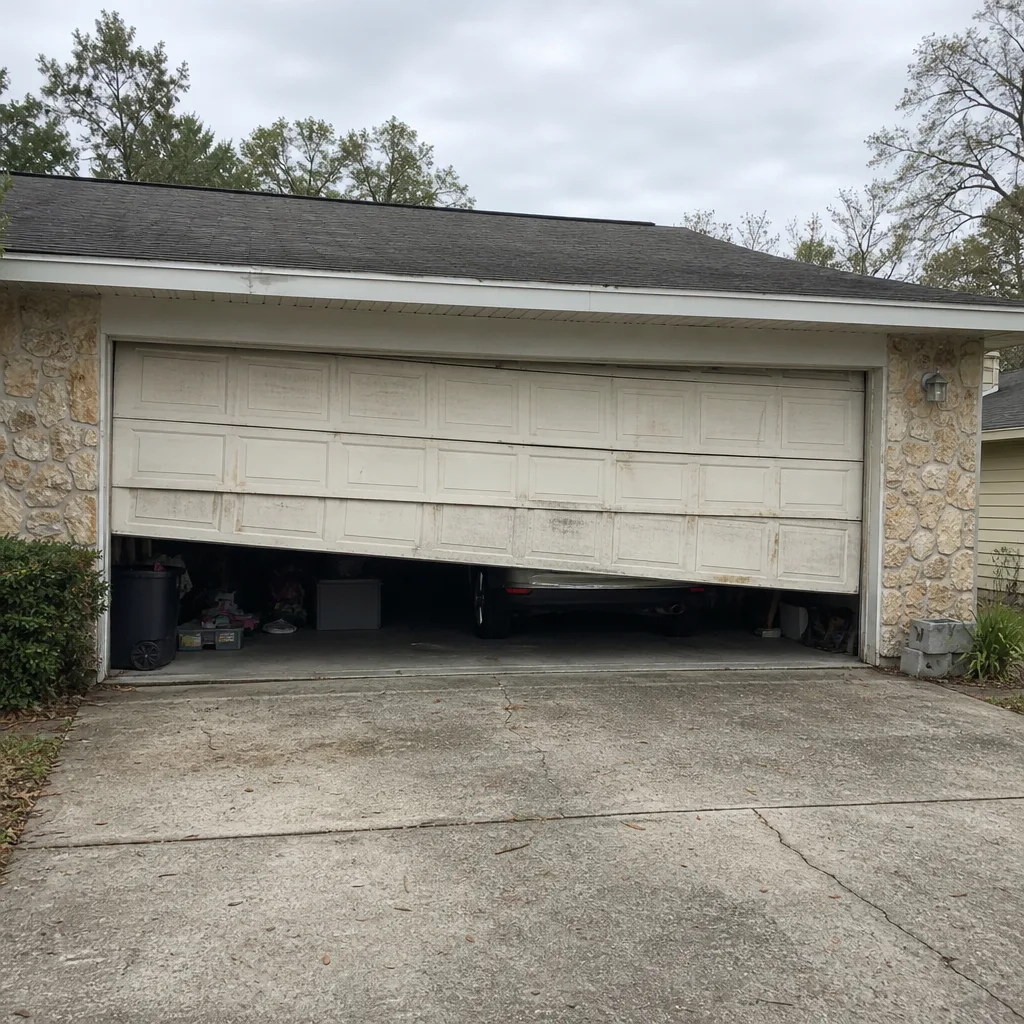 Before
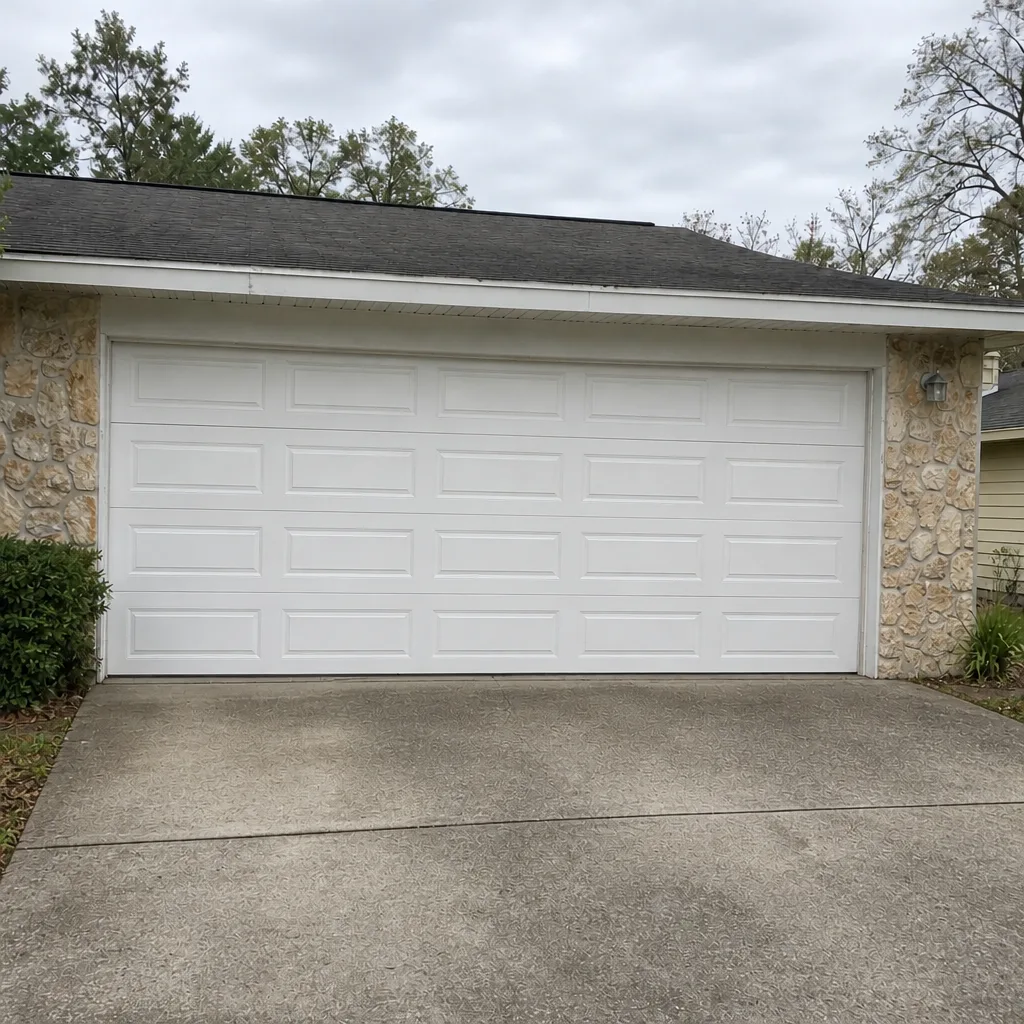 After
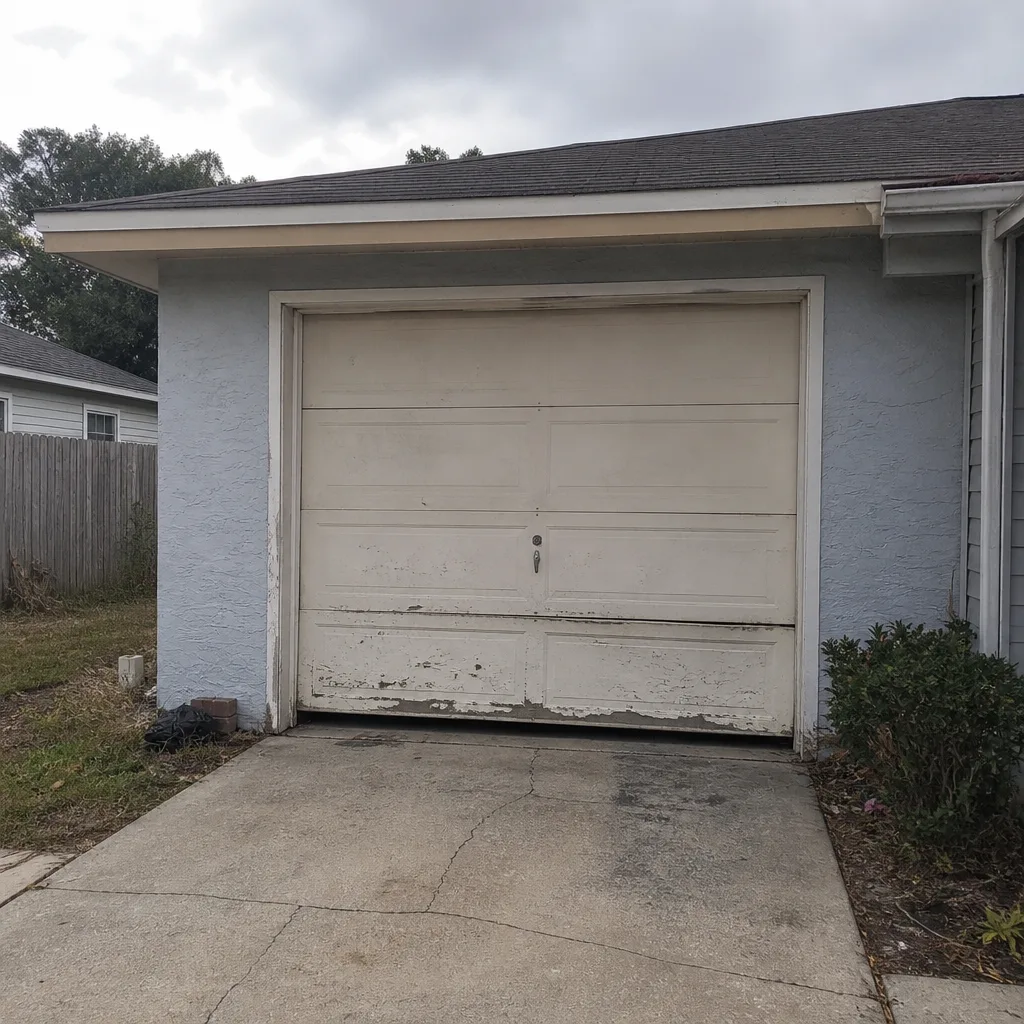 Before
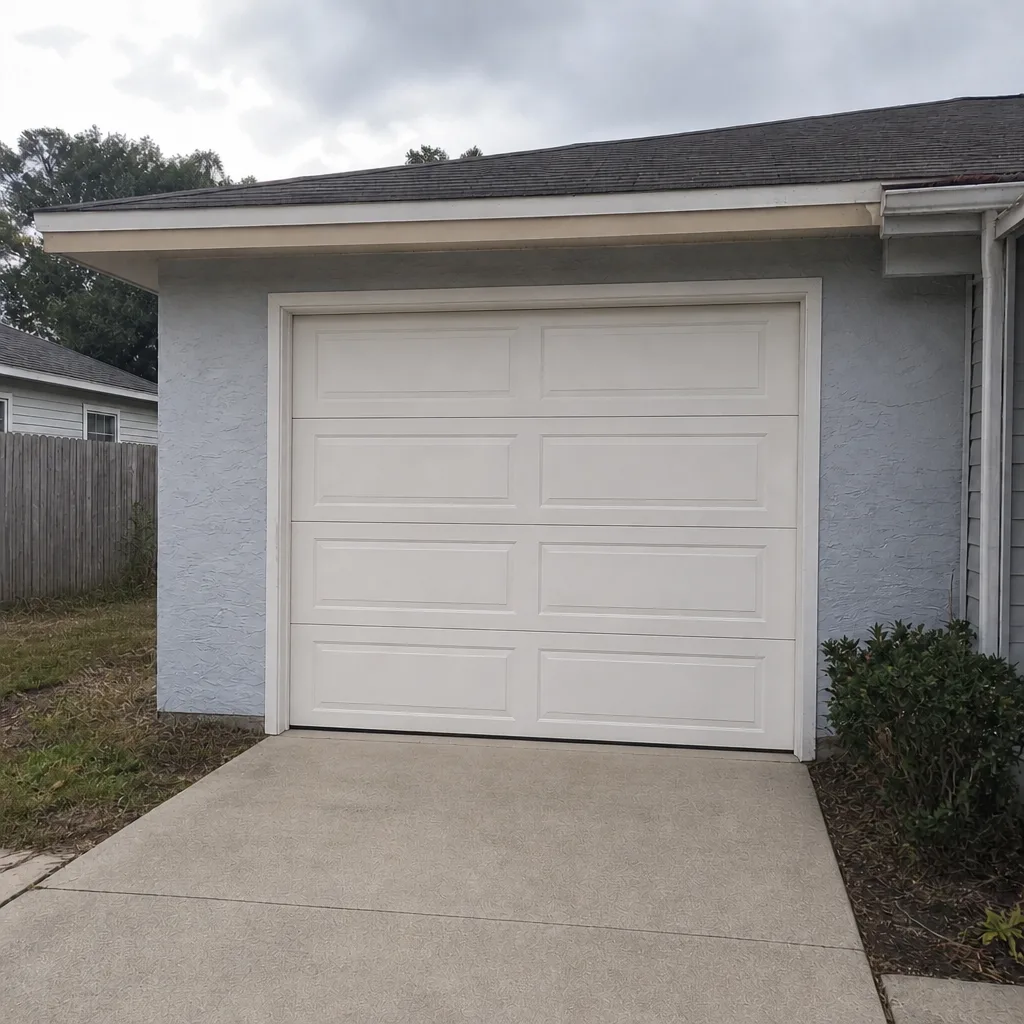 After
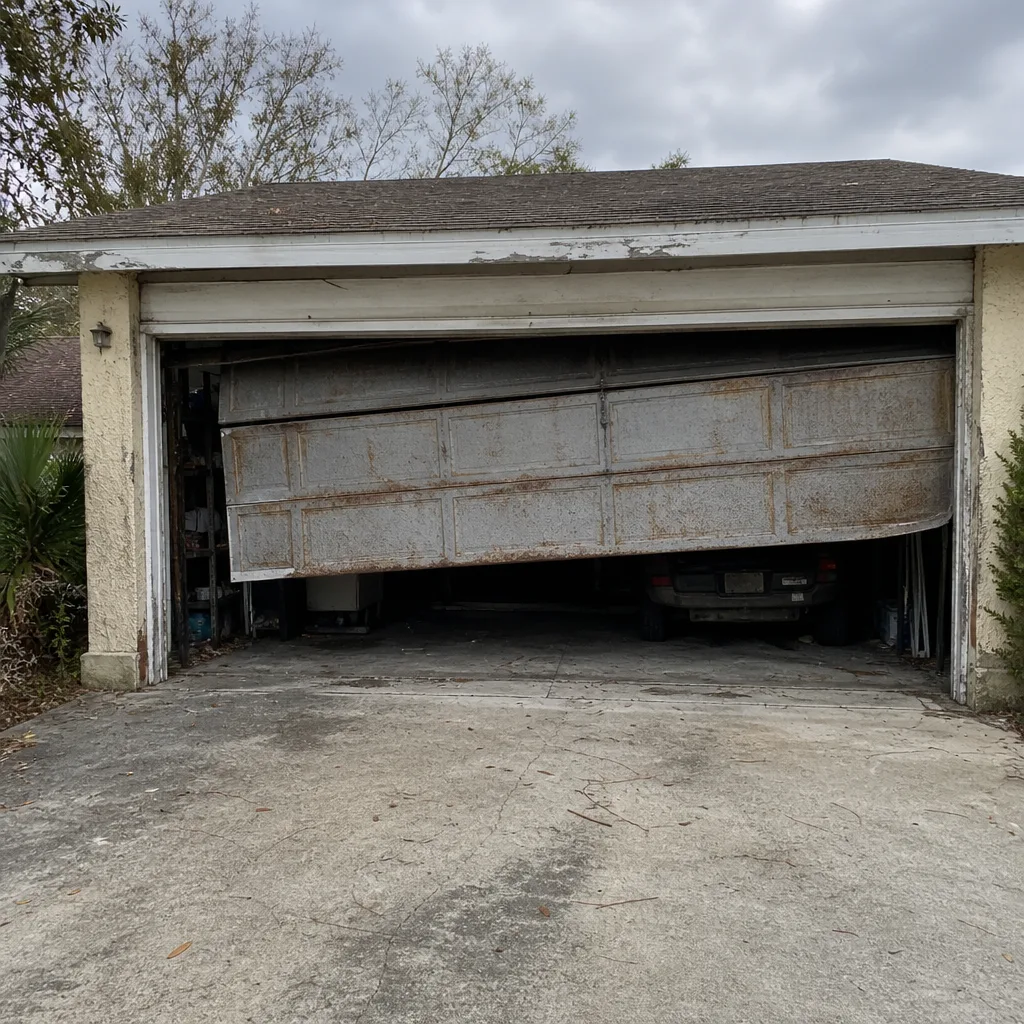 Before
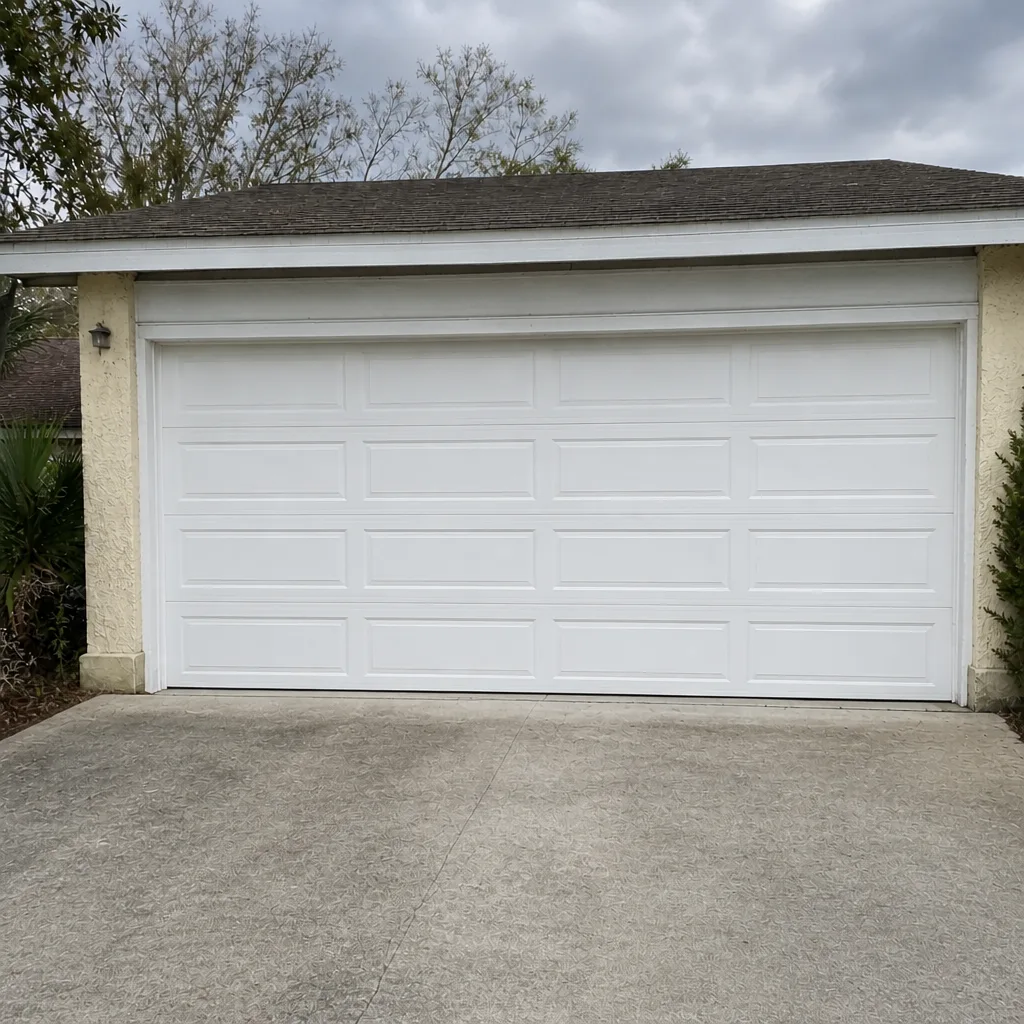 After
When to Call a Professional
Call a specialist when the job involves any change to the door itself, the framing, or the door’s rated assembly. That includes full replacements, size changes, high-lift or low-headroom conversions, and opener replacements that alter the mounting structure. It also includes any work on a high-tension spring, because the tension in a wound torsion spring is stored energy, and a spring that releases unexpectedly can cause serious injury. We recommend a trained professional for spring and cable work without exception. Our garage door opener repair work covers openers separately from the door, so a failed motor doesn’t become a door replacement. Mandarin Garage Door Repair offers free estimates in Mandarin. Call (833) 508-9952. We answer 24/7. Fast dispatch from 7am to 7pm, Sunday through Friday.
Frequently Asked Questions
Yes, a full garage door replacement in Mandarin and the rest of Duval County generally requires a building permit, because the door is a wind-rated exterior opening protective device. The permit application includes the manufacturer’s label and the door’s specifications. Call (833) 508-9952 for an exact quote on a permitted replacement. Estimates are free.
No, routine repair work like spring, cable, roller, and opener replacement typically does not require a permit when the door and its rated assembly stay the same. The permit threshold is a change to the door, its size, its framing, or its labeled wind rating. If the work is a repair only, we schedule it without the permit track. Call (833) 508-9952 for a free estimate.
Either is possible in Duval County, but most homeowners let the installer handle it because the permit application is tied to the door specifications and the manufacturer’s certificate. When a specialist pulls the permit, the door and the paperwork stay in sync. Call (833) 508-9952 to talk through the sequence for your address.
The door must carry a manufacturer’s label showing a design pressure rating that meets or exceeds the required design pressure for the address under Florida Building Code Section 1609. The label should also state the rated size range and reinforcement components. Verify the label and the manufacturer certificate before the door is ordered, not after it arrives. Call (833) 508-9952 for help reading a label or verifying a certificate.
The job stays unpermitted in the property record, and that gap can surface during an insurance review, a refinance, or a sale. The door might also be missing the correct rating for the site, which is a separate problem from the paperwork. Pulling the permit and closing it with a final inspection resolves both. Call (833) 508-9952 for a free estimate on a permitted replacement.
If your Mandarin community has an active HOA with architectural review, yes, both are required and neither replaces the other. The county permit confirms code compliance; the HOA approval confirms the door matches the community’s design standards. Get both approvals before the door is ordered. Call (833) 508-9952 for a free estimate.
The rough inspection is usually quick once the framing and hardware are in place, and the final inspection is often completed the same day the door is fully operational. The timeline that matters most is scheduling the inspector’s visit within the current window, and the municipality sets that window. Call (833) 508-9952 to plan the sequence for your job.
No, the price is quoted and agreed before any work starts, and the written estimate sets the final price. A door that turns out to need different framing or a different size is a change to the scope, and we re-quote before proceeding. We don’t adjust the price after the work is done. Call (833) 508-9952 for a free estimate.
The Bottom Line
In Mandarin and across Duval County, a garage door replacement is permitted work, and the permit is what keeps the door’s wind-load rating tied to the property record. Repairs usually aren’t, but any change to the door, its framing, or its rated assembly crosses the threshold. Verify the label before purchase, install the rated assembly exactly as documented, get the HOA approval separate from the county permit, and close the permit with a final inspection. The specialists you want on this are the ones who already read labels, know the code, and can produce the manufacturer certificate before the door ships. Our technicians have up to 11 years of experience on exactly this work. Call (833) 508-9952 for a free estimate. We answer 24/7. Fast dispatch from 7am to 7pm, Sunday through Friday.
Written by the team at Mandarin Garage Door Repair.