
Last updated November 21, 2026
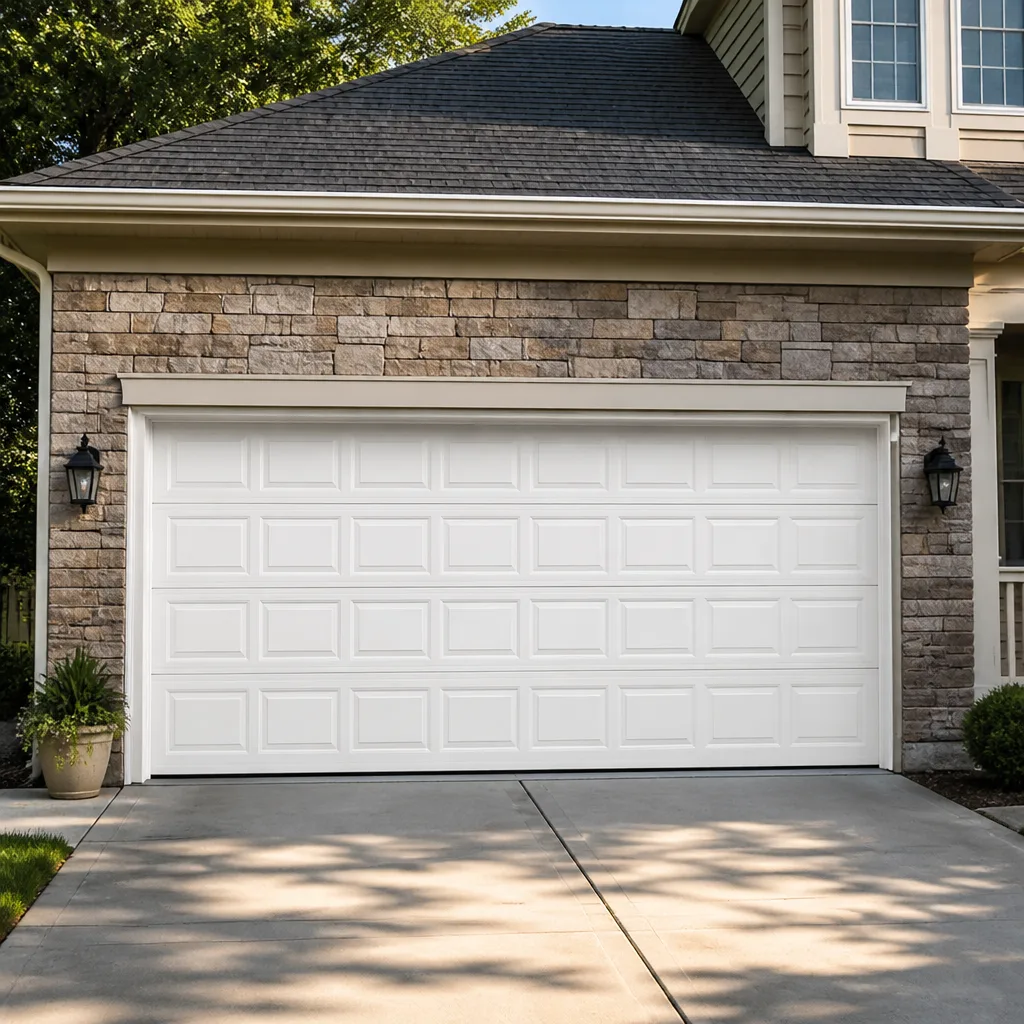 Raised-panel steel
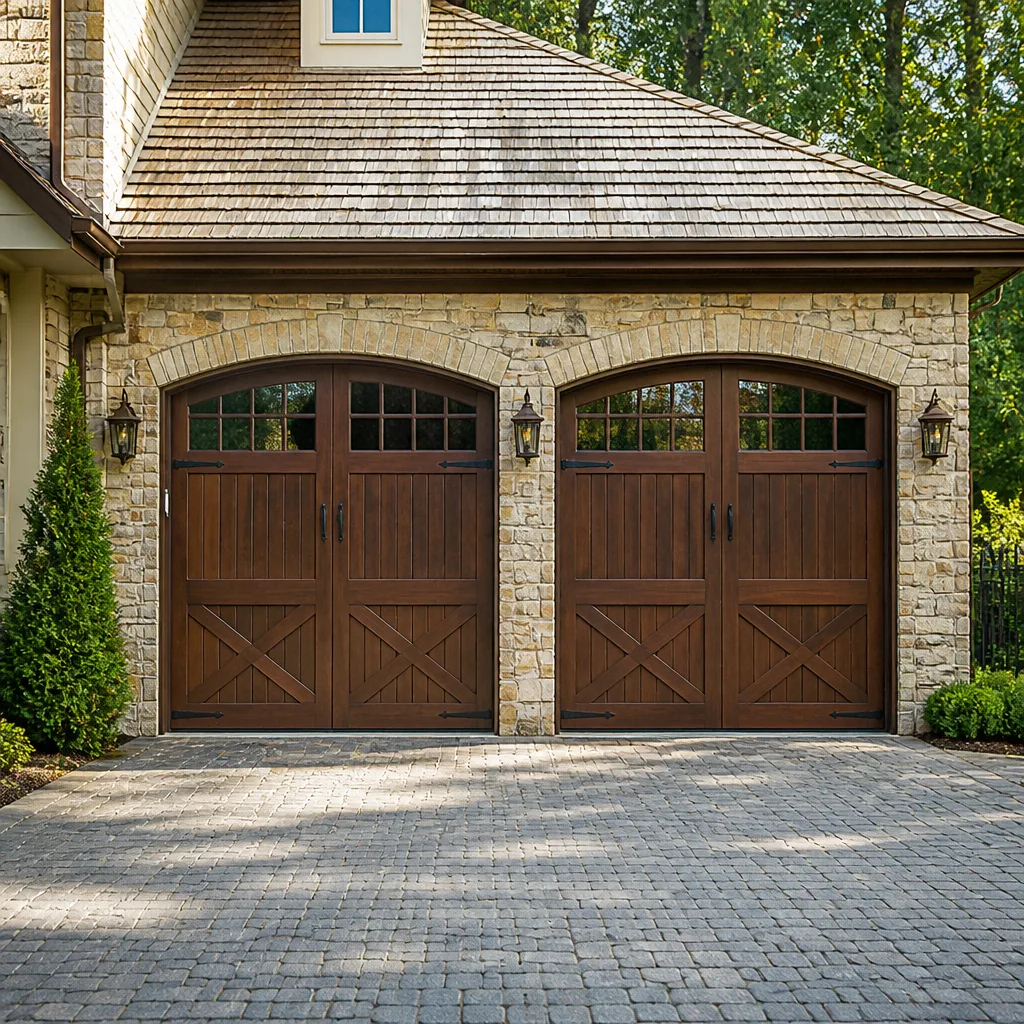 Carriage house
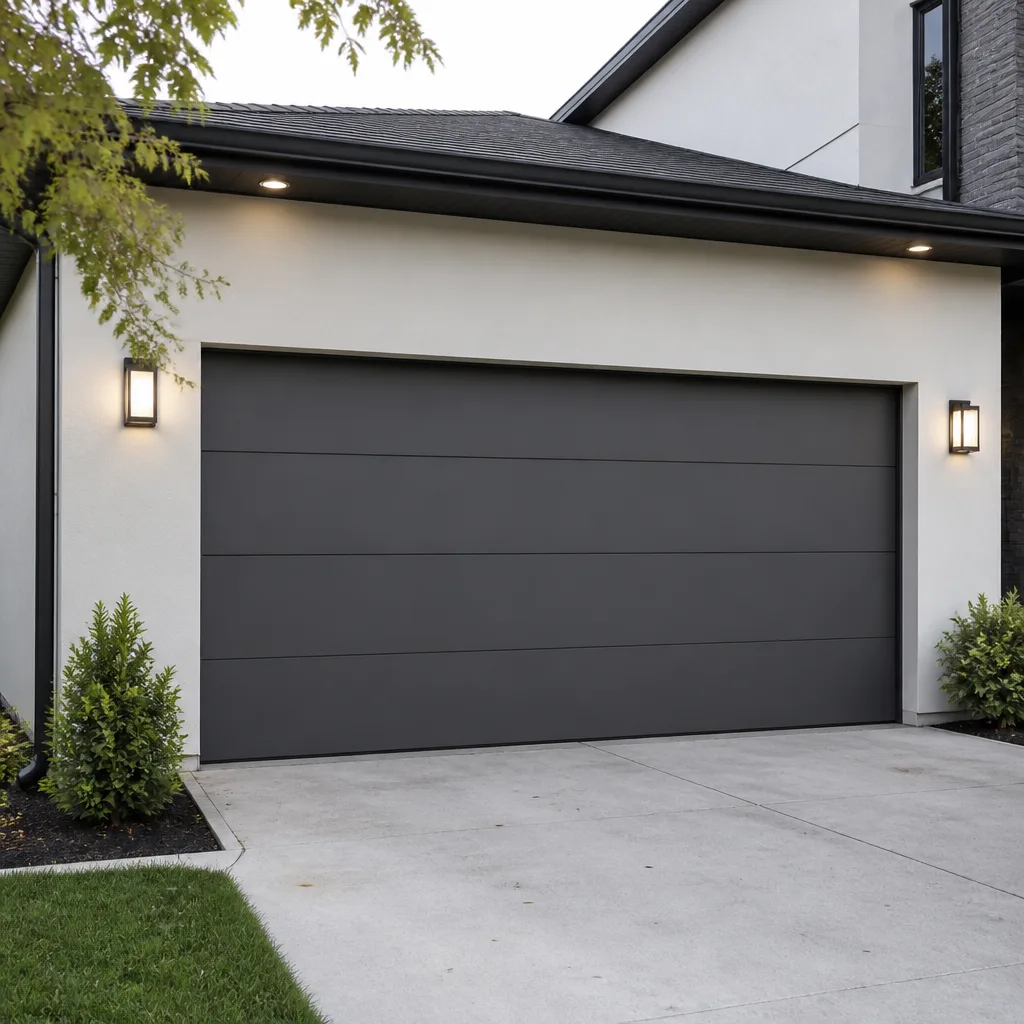 Modern flush
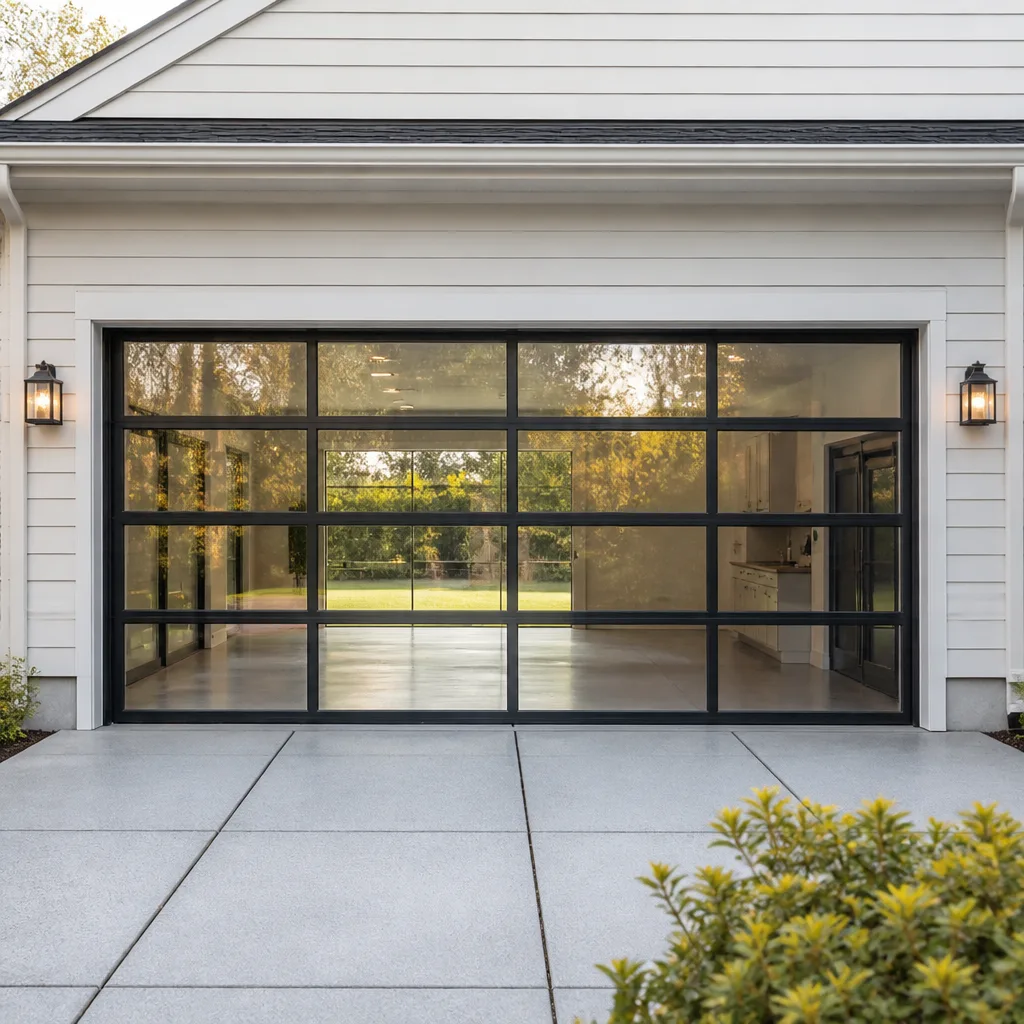 Full-view glass
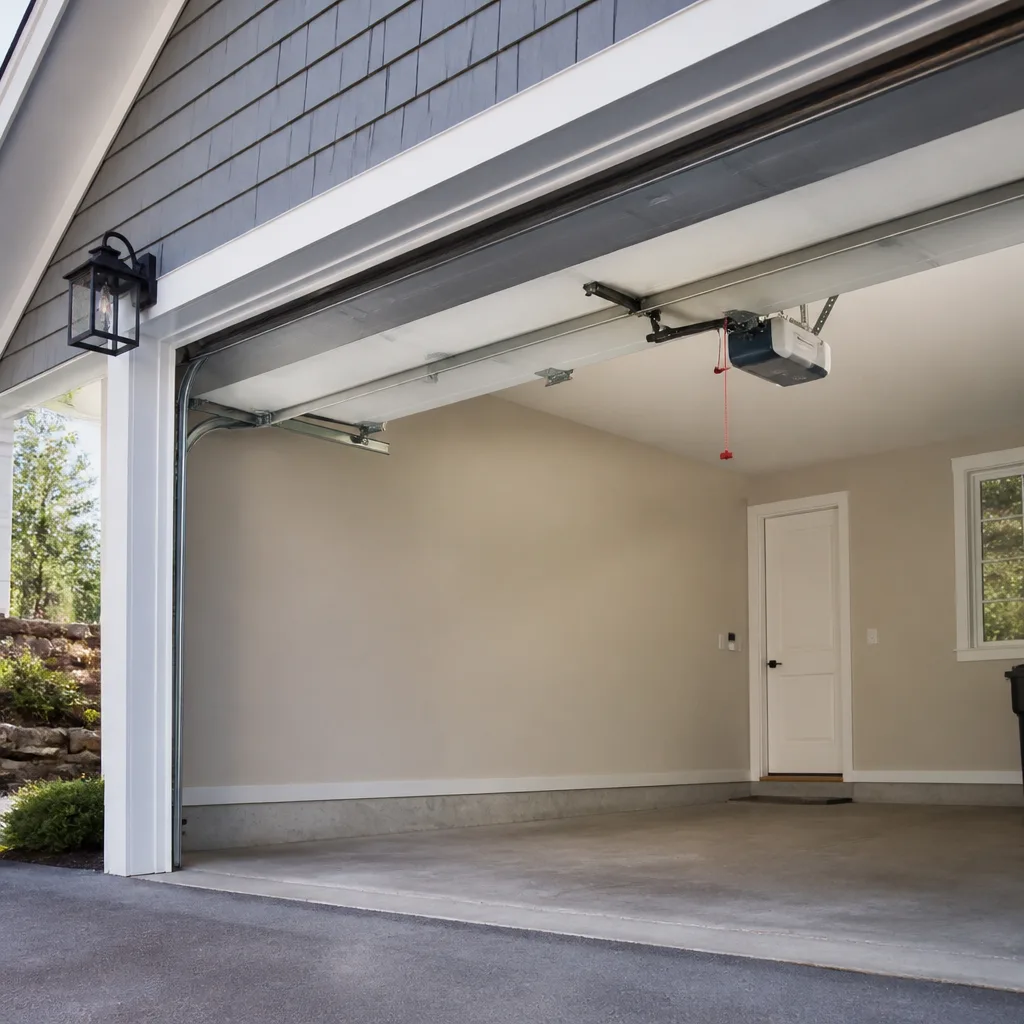 LiftMaster openers
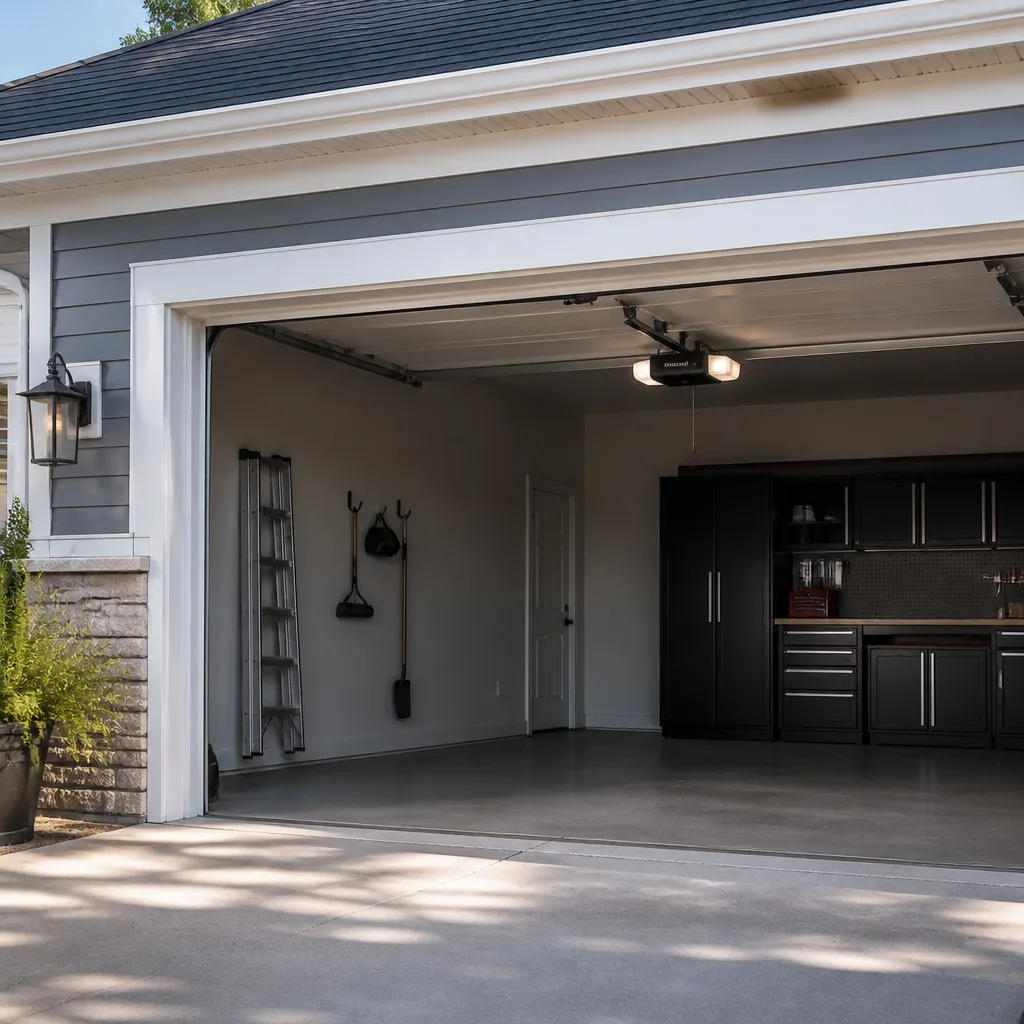 Chamberlain openers
Full 25-point door and opener safety check with every visit - springs, cables, rollers, tracks, and your LiftMaster or Chamberlain opener included
You get a price before we start. It does not change when the pro arrives.
Get your free estimateGarage Door Repair Troubleshooting in Mandarin: Common Problems and How to Fix Them
A door that won’t open is not a diagnosis. It’s a symptom – and in Mandarin, that one symptom can come from at least four very different places: a broken torsion spring, a snapped lift cable, a track knocked out of alignment, or nothing more than a dead wall button or a tripped breaker. Homeowners who treat all of those the same end up paying a technician to replace a component that was never the problem. This guide teaches you to troubleshoot by symptom instead of by guesswork: which sounds point to which parts, how Florida humidity ages the hardware on a Mandarin door faster than most people expect, and the three tests you can safely run yourself before you pick up the phone. What you’ll learn here is how to narrow the fault down to springs, cables, tracks, or the opener’s control board – so the repair you pay for is the right one.
Styles & brands we work with
- Raised-panel steel
- Carriage house
- Modern flush
- Full-view glass
- LiftMaster openers
- Chamberlain openers
Quick Answer
Most garage door failures in Mandarin trace back to four components: the torsion or extension springs, the lift cables, the tracks, or the opener’s logic board. Diagnose by symptom, not by guessing. A loud bang from above followed by a door that won’t lift usually means a broken spring; a door that goes up crooked points to a cable or track problem; a door that reverses before it closes or creeps down slowly is often a balance or track issue rather than an opener fault. Springs and cables are high-tension parts and should only be handled by a trained technician – call (833) 508-9952 for a free estimate.
Table of Contents
- What Your Door’s Sounds Are Telling You
- The Four Components That Cause Most Failures
- What You Can Safely Test Yourself (and What You Must Not Touch)
- How Mandarin’s Humidity Changes How Your Door Fails
- Is It the Logic Board, the Motor, or Just the Remote?
- Why Your Door Closes Slowly or Reverses Before It Lands
- What Garage Door Repair Typically Costs in Mandarin
- Common Mistakes to Avoid
- When to Call a Professional
- Frequently Asked Questions
- The Bottom Line
What Your Door’s Sounds Are Telling You
Before you touch a button, listen. A garage door is a machine with moving metal parts under load, and the sound it makes when it fails is one of the most reliable diagnostic clues you have. The difference between a grind and a pop matters. Homeowners in Mandarin who can describe the failure sound accurately give a technician a huge head start before anyone sets foot on the property – and if you end up needing garage door repair, that description often shortens the job.
Here’s how to map a sound to a likely component:
- A single loud bang from above the door. That’s the classic signature of a torsion spring breaking. It sounds like a gunshot or a heavy cable snapping, because a wound spring releasing its stored energy is exactly what it is. The door will become extremely heavy, and the opener may run but won’t actually lift it.
- A grinding or rasping as the door moves. This usually points to the tracks, the rollers, or the opener’s drive mechanism – metal rubbing on metal. In a humid Mandarin climate, rust on the track or seized rollers is a frequent cause.
- Popping or creaking that builds with use. Often a sign of a worn hinge, a loose bracket, or a spring under stress. Popping from the spring area is a warning, not a sound to ignore.
- A scraping noise from one side. Usually a cable that has jumped its drum or a track that has been knocked out of alignment.
- Motor hums but the door doesn’t move. Often an opener problem – a stripped drive gear, a disengaged manual release, or a logic board fault. More on that further down.
In our experience, the bang is the one people remember most clearly, because it happens fast and the door is dead immediately afterward. Any bang from the spring area should be treated as a spring failure until proven otherwise.
The Four Components That Cause Most Failures
Talk to enough garage door technicians and the same pattern shows up again and again: the vast majority of residential failures trace to one of four components. Knowing what each one does, and how it fails, is the foundation of troubleshooting. Here’s the map we use on every call.
- Springs. The springs are what actually lift the door; the opener only controls the motion. A torsion spring sits on a shaft above the door and is wound under very high tension. An extension spring runs along each side. When either breaks, the door suddenly weighs far more than the opener can handle. You’ll see a visible gap in the coiled torsion spring if you look from a safe distance, never up close to the windings.
- Cables. The lift cables run from the bottom corners of the door up the sides and wind around the drums. They work with the springs and carry serious tension. A frayed or snapped cable makes the door hang crooked, jam, or drop on one side.
- Tracks. The tracks guide the door’s rollers. A dented or misaligned track causes scraping, sticking, and uneven travel. In Mandarin the humidity makes bare steel tracks rust faster, and rust binds rollers.
- Opener logic board and motor. The opener handles the logic of when to run, stop, and reverse. Faulty sensors or a failing board cause erratic behavior – a door that opens partway and stops, or runs on its own.
If you’re searching for an explanation at Mandarin Garage Door Repair, that four-part model is also the best place to start. Everything else – the remotes, the wall button, the safety sensors – sits on top of these four, and a fault in any of them can look like a failure in another.
What You Can Safely Test Yourself (and What You Must Not Touch)
You can safely diagnose quite a lot without opening a single tool. There are three tests homeowners can run in a few minutes, and they cover a surprising share of “no-go” calls. Just as important is knowing the one zone you must leave alone.
Safe test 1: the wall button. Press the wall-mounted control button, not the remote. If the door runs from the wall button but not the remote, the door is fine and the problem is in the remote or the receiver. If neither works, the issue is downstream – power, the opener, or the door itself.
Safe test 2: photo-eye alignment. The two small sensors at the bottom of each track stop the door from closing on something. If they’re misaligned or one has a dead indicator light, the door will reverse or refuse to close. Clean the lens with a soft cloth and check that each has a steady indicator light. In a humid Mandarin garage, condensation and dust collect on these lenses fast.
Safe test 3: the manual disconnect. The red pull handle on the opener releases the door from the motor so you can move it by hand. Pull it and lift the door gently. A door that’s balanced lifts with modest effort and stays where you leave it. One that feels extremely heavy points to a spring problem; one that binds or won’t stay put points to balance and track issues. If you can’t open it at all, stop and call.
Do not touch: the torsion spring, the spring windings, the winding hardware, or the lift cables near the drums. The stored energy in a wound torsion spring is enough to cause serious injury, and it’s the reason a licensed, insured technician handles these parts. This is the zone where a cheap DIY attempt can be the most expensive mistake in the whole job. Safety first: if you suspect any spring or cable failure, keep the door closed if you can and call.
How Mandarin’s Humidity Changes How Your Door Fails
Mandarin sits in a humid subtropical climate, and that matters for a garage door far more than most homeowners realize. The garage is often the least climate-controlled part of a Florida home, which means hardware there lives in steady heat and moisture. The way a door fails here is subtly different from a door in a dry climate, and it’s worth understanding because it changes what you’re looking for during troubleshooting.
The two things humidity affects most:
- Track rust. Bare steel tracks take on surface rust faster in humid air. That rust doesn’t announce itself – it starts small, then binds the rollers and produces the grinding or sticking that sends people looking for a repair. A door that hesitates or drags on one side in Mandarin is often expressing rust on the track rather than a failed spring. This is a slow, progressive failure, unlike an impact or a break.
- Cable fraying. Humidity works on the tiny gaps and strands of a lift cable. Over time, fine surface corrosion can weaken individual strands. You may see the fraying before the cable fails – keep an eye on the cables where they run along the sides and up to the drums. A frayed cable is a warning; a snapped one is a failure.
The practical takeaway: in Mandarin, don’t read every symptom as a sudden breakdown. Some failures are slow. If your door has been getting progressively noisier or less smooth over months, that’s a humidity story, and the fix is maintenance plus replacing the corroded parts – not waiting for the snap. Newer failures (one loud bang, one bad day) look different from these gradual ones, and knowing which you have tells a technician a lot.
The flip side is that Miami’s milder winters mean doors don’t go dormant for months and then wake up stiff, so problems here show up steadily rather than at the start of a season. Treat any change in how the door moves as worth a look.
Is It the Logic Board, the Motor, or Just the Remote?
This is where a lot of homeowners pay for the wrong repair. They assume an opener that misbehaves needs replacing, when the fault could be a simple remote issue, a failing logic board, or a worn drive gear inside the motor. The symptoms are different, and they point to different parts – so run this sequence before you decide.
- Test the remote against the wall button. If the wall button works and the remote doesn’t, the opener is healthy. The problem is in the remote’s battery, its frequency, or the opener’s receiver. Re-pairing the remote and checking the frequency is the first step, not a new opener.
- Watch the opener unit while someone presses the button. If the light flashes but the motor doesn’t move the door, the opener is receiving the command but not driving. A stripped drive gear inside the opener commonly shows as a motor that hums or runs without moving the belt or chain.
- Look for erratic behavior. A door that opens partway and stops, or runs on its own, points toward the logic board or the sensors rather than the mechanical drive. This is common on older units from brands like Chamberlain and Genie as their boards age in a humid environment.
- Check the manual release. If the door is disconnected from the opener and stuck in manual mode, it may simply not respond – a relief, not a repair. Confirm the release has been re-engaged.
In our experience, a logic board failure usually announces itself with behavior that makes no mechanical sense: the door pauses mid-travel, stops at the same spot every time, or reverses without an obstacle. If you’re getting that pattern on a Chamberlain or Genie unit, board or sensor diagnostics are where to start. When the opener finally needs attention, garage door opener repair covers the full range of these units, which is a much cheaper answer than replacing an opener that only needed a part.
Why Your Door Closes Slowly or Reverses Before It Lands
Most homeowners read a slow or reversing door as an opener problem. It’s usually not. A door that reverses before it closes is respecting its safety sensors, and a door that closes slowly or slumps is usually expressing a balance problem in the springs or a binding track. Understanding the mechanical cause saves you from buying a new opener you don’t need.
Here’s what each symptom actually means:
- Reverses before closing, at the bottom. Usually the photo-eye sensors: misalignment, a dirty lens, or a blocked beam. This is the safety system working. If the sensors are aligned and clean, then look at the door’s travel limits.
- Reverses midway up or down. Often the opener is hitting resistance and interpreting it as an obstacle – a binding roller, a rusty track, or a door that’s out of balance. The door is fighting the track instead of gliding along it.
- Closes slowly or slumps to one side. This is balance. If one spring has weakened or a cable is loose, the door’s weight is no longer distributed evenly. The opener has to work harder, and it may struggle to close fully.
- Choppy or jerky travel. Usually rollers or hinges. In Mandarin humidity, seized rollers produce exactly this.
The point is the same throughout: a slow close or early reverse is a signal about balance and alignment, not a verdict that the opener is dying. That’s why we diagnose the door’s mechanics first. If the door is out of balance on springs, we fix the balance – the opener usually follows.
What Garage Door Repair Typically Costs in Mandarin
Cost is the second question most homeowners ask, right after “what’s wrong with it?” Prices below are typical, estimated ranges for the Mandarin market, and they may vary with the age of the hardware and the extent of the repair. The written estimate you get is what sets the final price, and it’s quoted and agreed before any work starts.
| Repair | Typical estimated range |
|---|---|
| Torsion spring replacement (one spring) | $180 – $340 |
| Matched pair of springs | About twice the single-spring range |
| Lift cable replacement | $150 – $300 |
| Track realignment or repair | $100 – $250 |
| Roller replacement | $100 – $200 |
| Opener repair (logic board, drive gear, sensors) | $120 – $300 |
Springs are usually replaced in matched pairs because both springs on a door are the same age and share the same load. Replacing one and leaving the other almost always means paying twice. That’s why a pair is quoted at roughly twice the single-spring cost. Call (833) 508-9952 for an exact quote on your door – estimates are free. We answer 24/7, and fast dispatch runs from 7am to 7pm, Sunday through Friday.
Common Mistakes to Avoid
- Treating every failure as an opener problem. If the door won’t lift, most homeowners assume the opener. In our experience the opener is often fine and the spring has broken – replacing the opener fixes nothing and leaves the same heavy door.
- Greasing a rusty track to “fix” a grinding door. In Mandarin’s humidity, rust is usually the sign of a worn roller or a binding track that needs attention. Grease on top of a rusted track masks the sound without fixing the cause, and the door gets worse.
- Forcing a door that’s half open or crooked. A door hanging on one side has a cable or spring problem. Running the opener on it puts the whole weight on the remaining components and can damage the opener and the door.
- Replacing one spring when both need it. The second spring is the same age and shares the same load. Paying for one now and one later tends to cost more than a matched pair.
- Assuming the remote is broken when the wall button works. Re-pairing the remote or checking its frequency fixes most of these cases. A new opener rarely needed.
- Ignoring a slow, creeping door. A sluggish, uneven door in a humid climate is often the first sign of cable fraying. Catching it early is a much smaller job than dealing with a snapped cable.
- Trying to adjust springs yourself. Torsion spring tension is high-energy and unforgiving. This is the one part of the door that should always go to a trained technician.
When to Call a Professional
Some faults are a five-minute remote pairing or a lens wipe. Others are high-tension work that belongs with a trained technician every time. Call a professional when you hear a bang from the spring area, when the door is crooked or dangling on one side, when a cable is visibly frayed or snapped, when the door reverses repeatedly with clean aligned sensors, or when the opener hums without moving the door and you’ve already checked the manual release. Those scenarios involve high tension or mechanical load, and a specialist brings the right diagnosis and the right part – we work on everything from Clopay and Amarr doors to every common opener. Mandarin Garage Door Repair offers free estimates in Mandarin – call (833) 508-9952. We answer 24/7. Fast dispatch from 7am to 7pm, Sunday through Friday.
Frequently Asked Questions
A broken spring usually announces itself with a loud bang from above the door, after which the door becomes very heavy and the opener runs without lifting it. A failed cable is usually quieter – the door starts to hang crooked or jam on one side, and you may see frayed strands near the drum. If you suspect either, don’t run the opener and call for a technician, because both parts are under high tension.
You can safely test the wall button, clean and align the photo-eye sensors, and use the manual release to check whether the door is balanced. Springs, cables, and the winding hardware on the shaft are the parts you should not touch – they’re high-tension and can cause serious injury. For those, call (833) 508-9952; estimates are free.
Usually not. A door that reverses at the bottom is almost always reacting to its safety sensors – misalignment or a dirty lens – and a slow or slumped close typically points to spring balance or a binding track. The opener is doing its job by reacting to the load. Run the safe tests first, and if the door is out of balance, a technician can correct it.
A single torsion spring replacement typically runs $180 – $340, and a matched pair is usually quoted at about twice that. Cable work typically falls in the $150 – $300 range, track repair in the $100 – $250 range, and opener fault repair from $120 to $300. The written estimate sets the final price, quoted before work starts. Call (833) 508-9952 for an exact quote – estimates are free.
Grinding almost always points to metal-on-metal contact: rusted tracks, seized rollers, or a worn hinge, and in Mandarin’s humidity track rust is a common cause. It may also come from the opener’s drive mechanism. The fix depends on which part is grinding, so it’s worth having someone look at it before the door gets harder to operate.
For many common repairs, yes – we offer same-day service where our schedule allows. We answer 24/7, with fast dispatch from 7am to 7pm, Sunday through Friday. You can call (833) 508-9952 to check availability and get a free estimate, and the price is quoted and agreed before any work starts.
The Bottom Line
Troubleshooting a garage door is a matter of narrowing the fault to the right component before you pay for a repair. A bang from above is a spring until proven otherwise. A crooked door is a cable or track. A reversing door is usually sensors or balance, not a dead opener. And in Mandarin’s humid air, grinding and sticking often mean rust and worn rollers rather than a sudden failure. Work through the safe tests first: the wall button, the photo-eye alignment, the manual release. Leave the springs and cables to a trained technician – the stakes are too high, and the diagnosis is too important to guess. Call (833) 508-9952 for a free estimate. We answer 24/7. Fast dispatch from 7am to 7pm, Sunday through Friday.
Written by the team at Mandarin Garage Door Repair.
See the difference
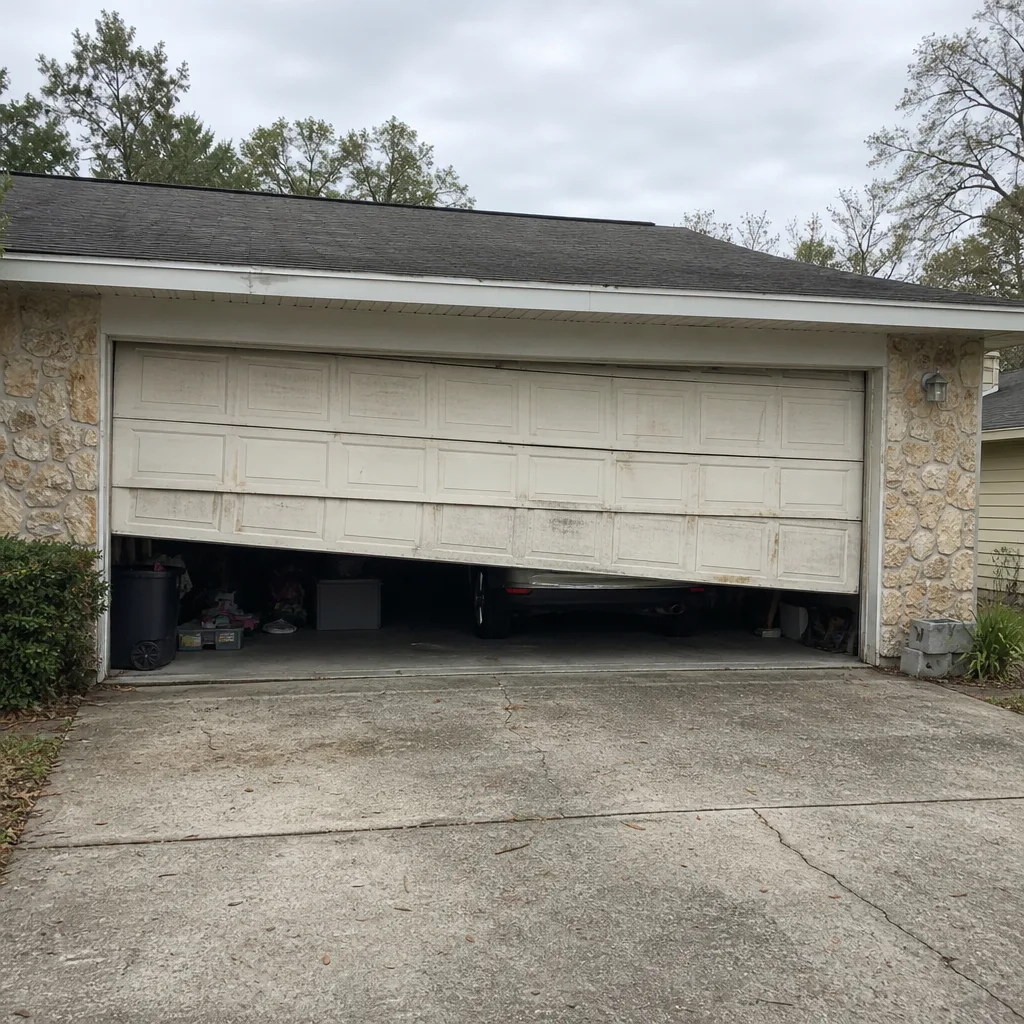 Before
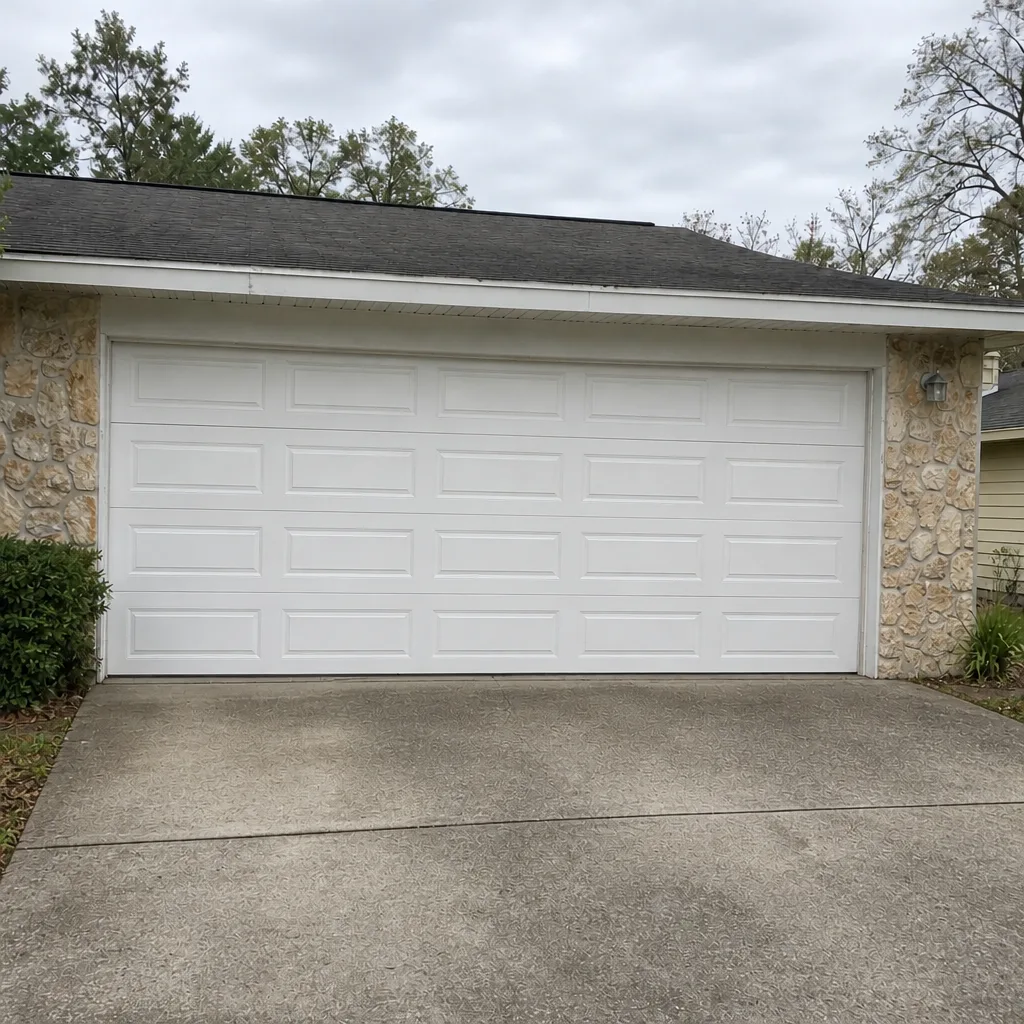 After
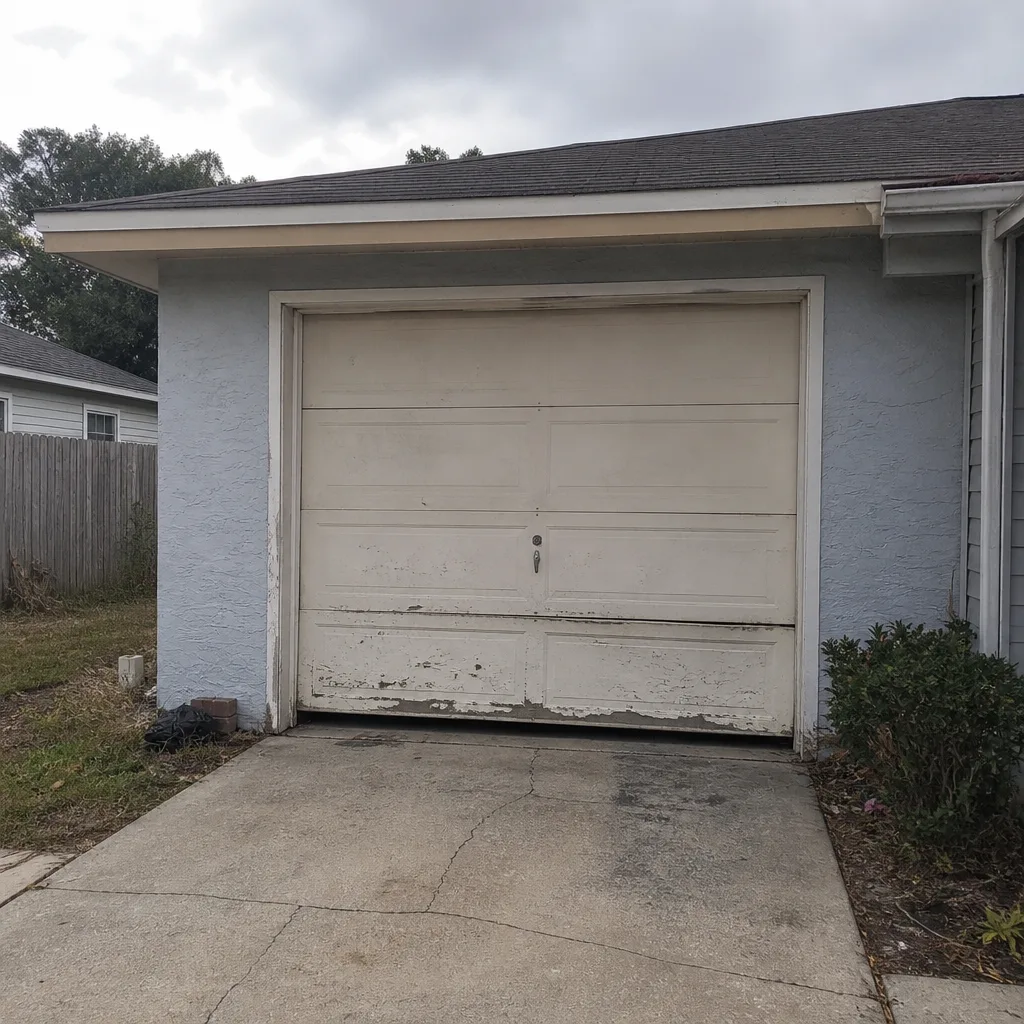 Before
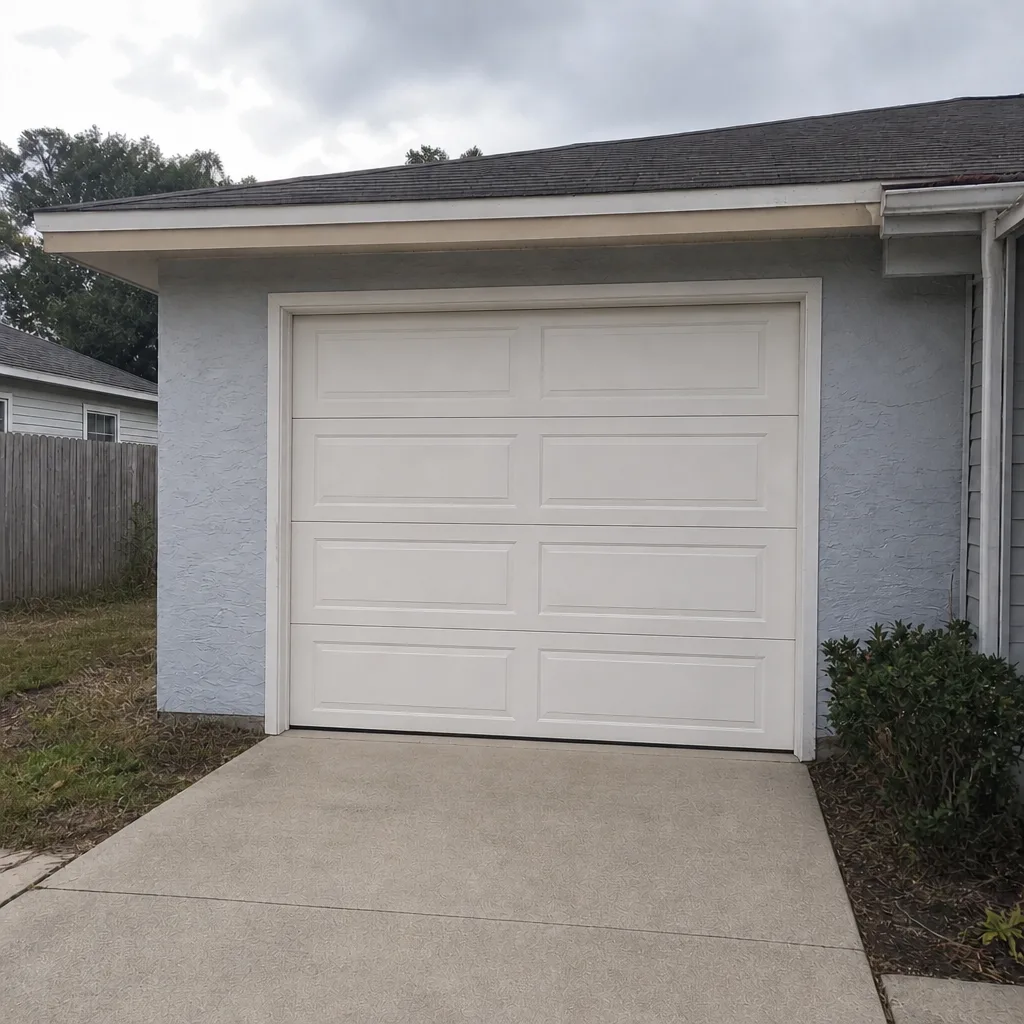 After
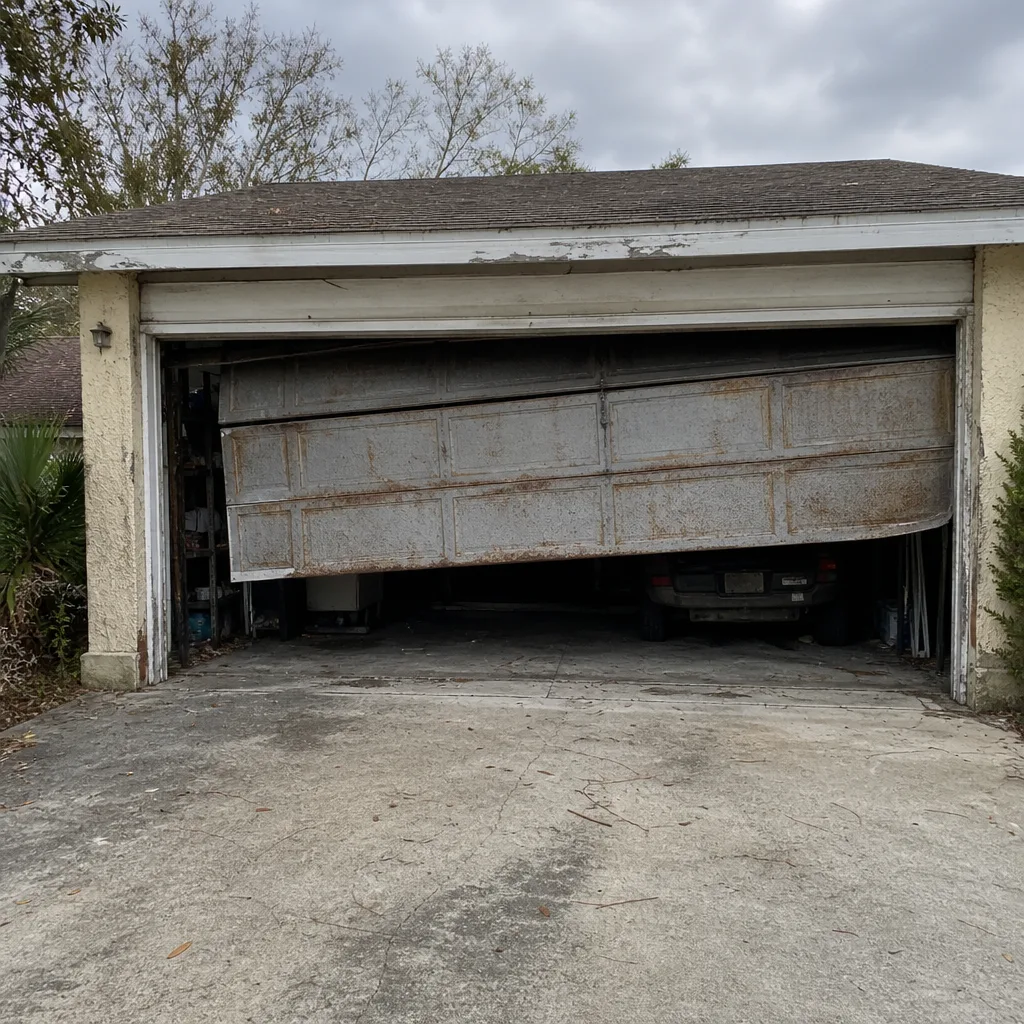 Before
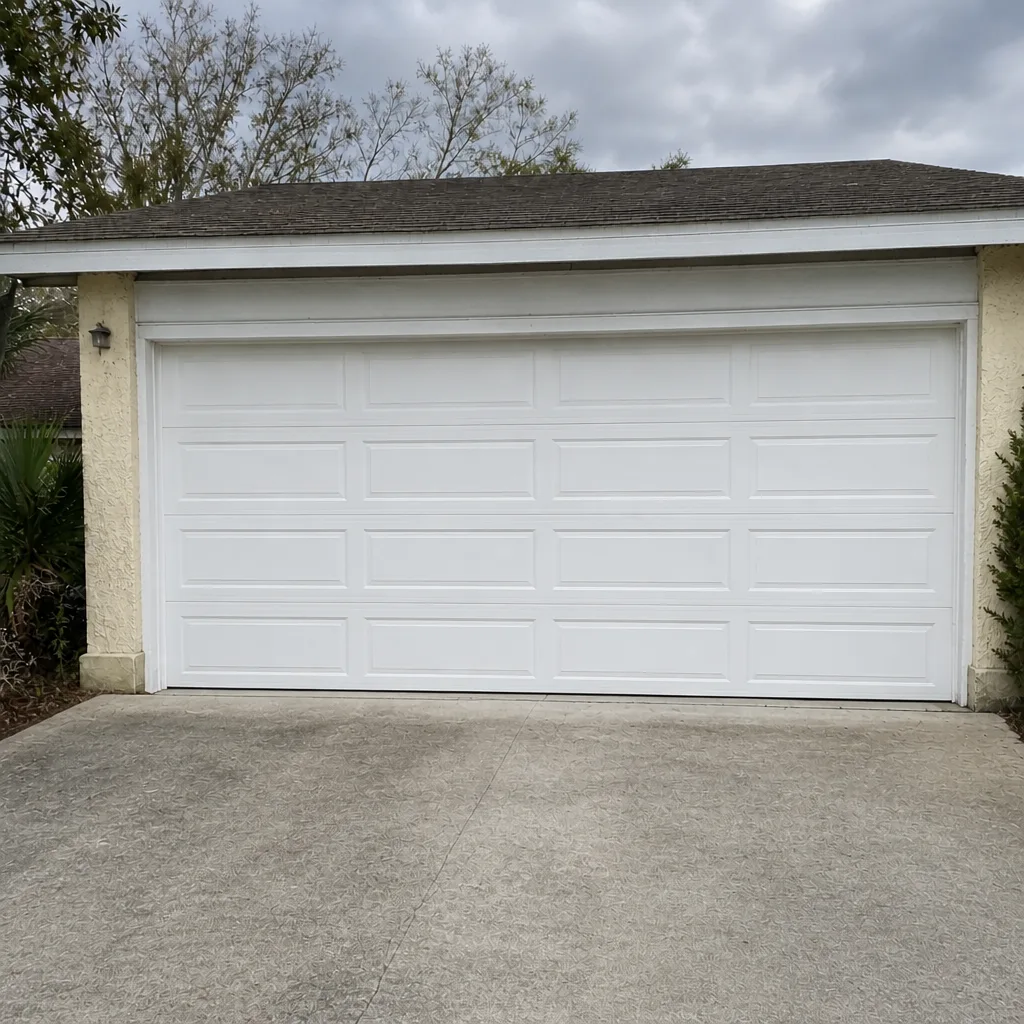 After